Posts Tagged ‘health’

Excellent article by Tom Jacobs on Meditation: Strong Preventative Medicine for Heart Patients

November 14, 2012

Meditation: Strong Preventative Medicine for Heart Patients

New research finds major health benefits of meditation for African Americans with heart disease.

November 13, 2012 • By for Pacific Standard

Meditation is usually thought of as a practice of healthy, well-off white people and Asians. But newly published research suggests it can produce hugely significant health benefits in a very different demographic group: African Americans with heart disease.

A study of that followed 201 African Americans for an average of five years found those who meditated regularly were far more likely to avoid three extremely unwelcome outcomes. Compared to peers participating in a health-education program, meditators were, in that period, 48 percent less likely to die, have a heart attack, or suffer a stroke.

“It appears that Transcendental Meditation is a technique that turns on the body’s own pharmacy—to repair and maintain itself,” said Dr. Robert Schneider, the paper’s lead author and director of the Institute for National Medicine and Prevention at the Maharishi University of Management in Fairfield, Iowa. His research is published in the American Heart Association journal Circulation: Cardiovascular Quality and Outcomes.

The paper was originally scheduled to be published in 2011 in the journal Archives of Internal Medicine, but was withdrawn just before being posted “to allow time for review and statistical analysis of additional data.” The AHA’s Maggie Francis reports that the paper “went through peer review, statistical review, editorial discussions, and the authors of the article were responsive to the review process.”

While, two decades ago, research from Maharishi University was often regarded with skepticism, the institution is now well-regarded for its scholarly work.

Schneider and his co-authors undertook this research in part because African Americans “suffer from disproportionately high rates” of mortality due to cardiovascular disease. As we have reported, this may in part reflect high stress levels, the result of living in a society where racial prejudice continues to linger.

The study was conducted at the Medical College of Wisconsin in two phases: From 1998 to 2003, and from 2004 to 2007. Participants were African Americans whose blood flow to the heart was seriously obstructed. Specifically, at least one of their coronary arteries had been narrowed by at least 50 percent.

The patients’ mean age was 59; almost half reported an income of under $10,000. Males slightly outnumbered females. Around 40 percent were cigarette smokers; their mean body mass index was just over 32, making them, on average, clinically obese.

They were randomly divided into two groups. Half took part in a cardiovascular health education program, in which they “were advised to spent at least 20 minutes a day at home practicing heart-healthy behaviors,” including exercise and eating healthy food.

The others were taught the technique of Transcendental Meditation, and encouraged to engage in this activity for 20 minutes each day. “Follow-up and maintenance meetings were held weekly for the first month, biweekly for the next two months, and monthly thereafter,” the researchers write.

The researchers followed up on the participants an average of 5.4 years after they initially joined the experiment. They found those in the meditation group were 48 percent less likely than their peers to have suffered one of three negative outcomes: a heart attack, a stroke, or death from any cause.

“There was a significant association between regularity of home (meditation) practice and survival,” the researchers report. “The subgroup of subjects who were regular in their TM practice had a 66 percent risk reduction, compared with the overall sample risk reduction of 48 percent.”

Regular meditators also reduced their blood pressure, on average, and reported feeling less anger than they did before beginning the experiment.

“This trial did not address the effects of other mind-body, meditation-type interventions on clinical events,” the researchers note. So it’s not clear if these apparent health benefits were the result of some specific aspect of Transcendental Meditation, or would apply to any regimen involving deep breathing and clearing one’s mind.

Nevertheless, as the researchers note, this appears to be the first randomized, controlled trial to find the risk of mortality, heart attack and stroke declined “with the individual practice of a relatively simple mind-body intervention.”

It’s some of the clearest evidence yet that reducing stress through regular meditation can have a positive effect on one’s physical health.

About Tom Jacobs
Staff writer Tom Jacobs is a veteran journalist with more than 20 years experience at daily newspapers. He has served as a staff writer for The Los Angeles Daily News and the Santa Barbara News-Press. His work has also appeared in The Los Angeles Times, Chicago Tribune and Ventura County Star.

###

Meditation could slash the risk of heart attack and stroke (and make you less angry) — Daily Mail

November 13, 2012

Meditation could slash the risk of heart attack and stroke (and make you less angry)

  • Twice daily mantra meditation, where a sound is made repeatedly, may also reduce blood pressure

By Anna Hodgekiss

PUBLISHED: 15:03 EST, 13 November 2012 | UPDATED: 15:03 EST, 13 November 2012

Twice daily mantra meditation, which involves making a sound repeatedly, lowers death rates from heart attack and strokes

Meditation helps reduce the risk of suffering a heart attack or a stroke, according to a new study.

Researchers found that Transcendental Meditation, made popular by the Beatles during the flower power era of the 1960s, could cut heart attack rates by half.

This type of meditation, which involves making a sound repeatedly, lowers death rates from heart attack and strokes.

In the new study, researchers found that people with heart disease who practised transcendental meditation for 20 minutes twice a day were 48 per cent less likely to have a heart attack, stroke or die from all causes compared with those who attended a health education class over more than five years.

Those practicing meditation also lowered their blood pressure and reported less stress and anger.

And the more regularly patients meditated, the greater their survival, said researchers who conducted the study at the Medical College of Wisconsin.

Lead researcher Dr Robert Schneider, director of the Institute for Natural Medicine and Prevention in Iowa, said: ‘We hypothesised that reducing stress by managing the mind-body connection would help improve rates of this epidemic disease.

‘It appears that transcendental meditation is a technique that turns on the body’s own pharmacy – to repair and maintain itself.’

For the study, researchers randomly assigned 201 people – with an average age of 59 – to participate in a transcendental meditation stress-reducing programme or a health education class about lifestyle modification for diet and exercise.

Transcendental Meditation was made popular by the Beatles during the flower power era of the 1960s

The average BMI of the people involved was 32 – classed as obese.

Both groups showed beneficial changes in exercise and alcohol consumption, and the meditation group showed a trend towards reduced smoking.

Although there were no significant differences between the groups in weight, exercise or diet, regular meditation was correlated with reduced death, heart attack and stroke.

Dr Schneider added: ‘Transcendental meditation may reduce heart disease risks for both healthy people and those with diagnosed heart conditions.

‘The research on transcendental meditation and cardiovascular disease is established well enough that doctors may safely and routinely prescribe stress reduction for their patients with this easy to implement, standardised and practical programme.’

The findings were published in the journal Circulation: Cardiovascular Quality and Outcomes.

Follow us: @MailOnline on Twitter | DailyMail on Facebook

More news coverage: Transcendental Meditation May Lower Heart Risk: WebMD Heart Disease Health Center and Transcendental Meditation may reduce death, heart attack and stroke in heart patients—AHA and Science Codex: Meditation may reduce death, heart attack and stroke in heart patients

The Daily Mail does not explain Transcendental Meditation properly. We do not repeatedly make a sound. It is a silent mental practice of experiencing the thought process at more refined levels until the mind transcends thought and arrives at an inner state of restful alertness. This natural level of deep rest releases stress and allows the body to repair itself resulting in improved health.

Transcendental Meditation May Lower Heart Risk: WebMD Heart Disease Health Center

November 13, 2012

Heart Disease Health Center

Transcendental Meditation May Lower Heart Risk

By 
WebMD Health News
Reviewed by Louise Chang, MD

Nov. 13, 2012 — Transcendental Meditation is good for the heart, according to a new study.

The study was funded by the National Institutes of Health. It found that African-Americans with heart disease who regularly practiced TM reduced their risk of death, heart attack, and stroke by 48%.

Researcher Robert Schneider, MD, says those results should apply to the general population. Schneider is director of the Institute for Natural Medicine and Prevention at the Maharishi University of Management (MUM) in Fairfield, Iowa.

“This taps into a universal physical phenomenon that is not related to race, age, culture, etc.,” Schneider says. “This state of restful alertness has restorative benefits for everyone. It’s a way to utilize the body’s own internal pharmacy.”

TM is a trademarked form of meditation. It requires training by a certified teacher to “settle inward” to a place called “transcendental consciousness.” The technique is one of the two pillars underlying education at the Maharishi University of Management, according to the school’s web site.

Health Benefits of TM

The study was a collaboration between MUM and the Medical College of Wisconsin in Milwaukee. Researchers recruited 201 African-American men and women whose average age was 59 and who were generally considered obese.

All of the participants previously had been diagnosed with heart disease. Many of them were current smokers. African-Americans, says Schneider, have a 35% higher risk of dying from heart disease than the general population.

The people in the study were divided into two groups. While both groups continued to receive standard care and medication for heart disease, the study group attended a seven-step course in TM. The people in that group were then instructed to meditate twice a day for 20 minutes for the duration of the study.

Schneider says that the program was standard for TM practitioners and had not been modified for the study.

The comparison group received conventional health education. The people in that group were told to spend at least 20 minutes a day on heart-healthy activities.

Members of both groups were followed for as long as nine years.

In addition to reducing the risk of death, heart attack, and stroke by nearly half, TM also significantly lowered systolic blood pressure, the top number in a blood pressure reading.

Anger control and overall anger also improved. Those who entered the study with either high blood pressure or high stress benefited the most from meditation.

“What this is saying is that mind-body interventions can have an effect as big as conventional medications, such as statins,” says Schneider.

The TM group was expected to meditate 14 times per week. But the researchers found that on average participants only practiced the technique 8.5 times.

They would have done well to stick to their instructions. Those who followed the study guidelines more strictly, Schneider says, had even greater benefits. Their risk reduction was 66%.

Second Opinion

“In cardiology, we are always impressed when we see any effective intervention,” says cardiologist Michael Shapiro, DO, of Oregon Health and Science University in Portland. “But to actually show a reduction in overall mortality — that is really impressive.”

Shapiro, who reviewed the study for WebMD, says that its design appears scientifically rigorous and that its results are likely valid. But he says the study was too small to draw any definite conclusions.

“I am enthusiastic and cautiously optimistic,” says Shapiro. “Overall, I like the study, and it provides justification for a much larger study.”

Shapiro, who practices a different form of meditation, also says that more needs to be learned about what drives these results. He says the reduction in blood pressure, while significant, is likely not enough to account for all of the study’s positive outcomes.

“Meditation can do a whole host of positive things: reduce anger and stress, encourage happiness,” he says. “Who is to say that these are not the most important factors? This study can’t get at the mechanism involved. We don’t know how it works.”

A Cost-Effective Means of Prevention

Transcendental Meditation, says Schneider, is “a simple, effortless, and natural way to settle down to a quiet state of mind.”

But it is not free. According to the Maharishi Foundation USA’s web site, the seven-part introductory TM course that the study participants attended costs $1,500. Financial aid and sliding scale fees are available to those who can’t afford the full amount.

To Schneider, this study shows that TM is a cost-effective means of prevention.

“This is the strongest study ever done on meditation or any mind-body intervention for cardiovascular disease,” he says.

In July 2011, the study was pulled from publication in Archives of Internal Medicine, a last-minute decision made when one of the journal’s reviewers raised questions about the data. Schneider says that in the intervening time, the data was re-analyzed. Also, new data was added and the study underwent an independent review.

“This is the new and improved version,” Schneider says. It appears in the current issue of Circulation: Cardiovascular Quality and Outcomes.

Note: Check November 20 when the next issue comes out in print: http://circoutcomes.ahajournals.org.

Also see: Transcendental Meditation may reduce death, heart attack and stroke in heart patients—AHA

Science Codex: Meditation may reduce death, heart attack and stroke in heart patients

Meditation could slash the risk of heart attack and stroke (and make you less angry) — Daily Mail

Transcendental Meditation may reduce death, heart attack and stroke in heart patients—AHA

November 13, 2012

Meditation may reduce death, heart attack and stroke in heart patients

November 13, 2012

Study Highlights:

  • Twice-a-day Transcendental Meditation helped African Americans with heart disease reduce risk of death, heart attack and stroke.
  • Meditation helped patients lower their blood pressure, stress and anger compared with patients who attended a health education class.
  • Regular Transcendental Meditation may improve long-term heart health.

DALLAS, Nov. 13, 2012 — African Americans with heart disease who practiced Transcendental Meditation regularly were 48 percent less likely to have a heart attack, stroke or die from all causes compared with African Americans who attended a health education class over more than five years, according to new research published in the American Heart Association journal Circulation: Cardiovascular Quality and Outcomes.

Those practicing meditation also lowered their blood pressure and reported less stress and anger. And the more regularly patients meditated, the greater their survival, said researchers who conducted the study at the Medical College of Wisconsin in Milwaukee.

Robert Schneider, M.D., director of the Institute for Natural Medicine and Prevention and dean of Maharishi College of Perfect Health in Fairfield, Iowa. Courtesy MAPI

“We hypothesized that reducing stress by managing the mind-body connection would help improve rates of this epidemic disease,” said Robert Schneider, M.D., lead researcher and director of the Institute for Natural Medicine and Prevention in Fairfield, Iowa. “It appears that Transcendental Meditation is a technique that turns on the body’s own pharmacy — to repair and maintain itself.”

For the study, researchers randomly assigned 201 people to participate in a Transcendental Meditation stress-reducing program or a health education class about lifestyle modification for diet and exercise.

  • Forty-two percent of the participants were women, average age 59, and half reported earning less than $10,000 per year.
  • Average body mass index was about 32, which is clinically obese.
  • Nearly 60 percent in both treatment groups took cholesterol-lowering drugs; 41 percent of the meditation group and 31 percent of the health education group took aspirin; and 38 percent of the meditation group and 43 percent of the health education group smoked.

Those in the meditation program sat with eyes closed for about 20 minutes twice a day practicing the technique, allowing their minds and bodies to rest deeply while remaining alert.

 Participants in the health education group were advised, under the instruction of professional health educators, to spend at least 20 minutes a day at home practicing heart-healthy behaviors such as exercise, healthy meal preparation and nonspecific relaxation.
Researchers evaluated participants at the start of the study, at three months and every six months thereafter for body mass index, diet, program adherence, blood pressure and cardiovascular hospitalizations. They found:
  • There were 52 primary end point events, which included death, heart attack or stroke. Of these, 20 events occurred in the meditation group and 32 in the health education group.
  • Blood pressure was reduced by 5 mm Hg and anger decreased significantly among Transcendental Meditation participants compared to controls.
  • Both groups showed beneficial changes in exercise and alcohol consumption, and the meditation group showed a trend towards reduced smoking. Although, there were no significant differences between the groups in weight, exercise or diet.
  • Regular meditation was correlated with reduced death, heart attack and stroke.

Cardiovascular disease is the leading cause of death worldwide. Death from heart disease is about 50 percent higher in black adults compared to whites in the United States. Researchers focused on African Americans because of health disparities in America.

“Transcendental Meditation may reduce heart disease risks for both healthy people and those with diagnosed heart conditions,” said Schneider, who is also dean of Maharishi College of Perfect Health in Fairfield, Iowa.

“The research on Transcendental Meditation and cardiovascular disease is established well enough that physicians may safely and routinely prescribe stress reduction for their patients with this easy to implement, standardized and practical program,” he said.

Co-authors are: Theodore Kotchen, M.D.; John W. Salerno, Ph.D.; Clarence E. Grim, M.D.; Sanford I. Nidich, Ed.D.; Jane Morley Kotchen, M.D., M.P.H.; Maxwell V. Rainforth, Ph.D.; Carolyn Gaylord-King, Ph.D.; and Charles N. Alexander, Ph.D. Author disclosures are available on the manuscript.

The National Heart, Lung and Blood Institute funded the study.

Follow @HeartNews on Twitter for the latest heart and stroke news.

###

Statements and conclusions of study authors published in American Heart Association scientific journals are solely those of the study authors and do not necessarily reflect the association’s policy or position. The association makes no representation or guarantee as to their accuracy or reliability. The association receives funding primarily from individuals; foundations and corporations (including pharmaceutical, device manufacturers and other companies) also make donations and fund specific association programs and events. The association has strict policies to prevent these relationships from influencing the science content. Revenues from pharmaceutical and device corporations are available at www.heart.org/corporatefunding .

Circulation: Cardiovascular Quality and Outcomes. 2012; 5: 750-758. Published online before print November 13, 2012, doi: 10.1161/ CIRCOUTCOMES.112.967406. November 2012 issue. Stress Reduction in the Secondary Prevention of Cardiovascular Disease: Randomized, Controlled Trial of Transcendental Meditation and Health Education in Blacks. Abstract | Full Text | PDF

Also posted on EurekAlert! http://www.eurekalert.org/pub_releases/2012-11/aha-mmr110812.php

Also see: Transcendental Meditation May Lower Heart Risk: WebMD Heart Disease Health Center

Science Codex: Meditation may reduce death, heart attack and stroke in heart patients

Meditation could slash the risk of heart attack and stroke (and make you less angry) — Daily Mail

TIME Strongest Study Yet Shows Meditation Can Lower Risk of Heart Attack and Stroke

Excellent article by Tom Jacobs on Meditation: Strong Preventative Medicine for Heart Patients

AHA Newsletter: News from the Heart: Update from CEO Nancy Brown for AHA Volunteers (11/15/12) features Dr. Schneider’s study, “meditation reduces cardiovascular risk”

And many major articles around the world, including reports by CNN, CBS, ABC, and NBC.

I also included a review of some of the global news coverage and the report in our university paper the Review: New Study Shows Reduced Mortality, Heart Attack, Stroke (Vol. 28, #6, November 28, 2012). You can also read it in this news post: Results of American Heart Association publishing landmark TM study.

Cancer stories: Greg James restored balance with Maharishi Ayurveda and TM to enjoy his life again

October 28, 2012

FAIRFIELD — October is National Breast Cancer Awareness Month and The Ottumwa Courier asked cancer survivors and/or family members to share their stories. A few people wrote to tell of their experiences and their stories have been running often throughout this month. The editor thanks all the people who participated. Many said they wanted others to know about the experience and to always have hope. Here’s a story from a friend of mine, Greg James, in Fairfield. I never would have guessed he had been through so much, he seems so healthy to me.

Cancer stories: Restore balance and enjoy life

October 25, 2012

“No one has ever survived this kind of cancer,” the Harvard oncologist told me back in September 1988. “It is a rare and very fast-growing form of Non-Hodgkins Lymphoma. Sloane Kettering in New York City has only seen 50 cases in the last 10 years, and no white male 37-year heterosexual has ever survived.  You are Stage 4 with complications (massive pleural effusions).”

“What are his chances of surviving?” asked my family, and the doctor would only cross his fingers.

It was very ironic that I got this cancer, as I was on a media team that was making Deepak Chopra and Maharishi Ayurveda household words. I had been in perfect vibrant health, an active hiker, then (and now).

My father was a hospital administrator and consultant. I grew up with mixed signals: the doctors were brilliant and great people, but their system limited them to drugs and they couldn’t think out of the box; they are brilliant technicians but lack training in vital areas of nutrition and bedside manner. So, I was, from the outset what Bernie Siegel (author of “Love, Medicine, and Miracles”) called a “difficult patient.” Dr. Siegel noted that the patients who take an active interest in their treatment, asking frequent questions and sometimes going against medical advice, were the ones that survive.

It was quickly found that I had a tumor the size of a fist in my throat choking me. That explained a lot! The CHOP protocol worked quickly, dissolving that tumor, and I got through tumor necrosis (the breaking up of the tumor and the spread of that material throughout the body). I was re-admitted to Mass General Hospital in Boston again for a total lack of white blood cells and put on a rescue remedy. Then, two months after my first treatment, I was in Intensive Care Unit for 12 days fighting for my life against pneumonia.

After that, consulting with various doctors outside of the cancer complex at Mass General, I decided to quit the chemo, brain radiation and spinal taps in favor of rebuilding my body with special herbs from India and a rejuvenation protocol (now offered at The Raj in Fairfield). I was totally devastated by the chemo and lack of sleep caused by the Prednizone, and couldn’t hold down food from nausea. My body was trying to throw off the “emergency medicine” and get back to some balance. The Ayurvedic treatments were designed not to cure disease but to promote good health, but they gave me what I needed most: vitality, strength and some hint of happiness.

Meanwhile, the oncologists were upset that I had taken a break from chemo, etc., and told me they had gotten approval for a bone marrow transplant from Dana Farber Institute, a procedure that would “bring me to the brink of death, and then we will re-inject your bone marrow” and I was prescribed three years of continuing chemo, etc. after the transplant. My oncologist quoted a published study and told me that three out of 23 patients had survived this type of bone marrow transplant, which angered me. “You want me to bet my life on one chance in eight? Who is on drugs here, doctor? (I didn’t continue, and saved the insurance company $300,000)”

Ten months after I started, I was back to walking without leg braces (after losing strength from the chemo), and loving life again. I was grateful to have the best of “emergency medicine” and the best of alternative medicine. For a few years after, everyone and their brother was calling me to ask me to talk to their wife or cousin or whomever about their cancer treatment. My answer included these points: realize that the surface condition of cancer is a symptom of an underlying imbalance in the mind-body connection and that this must be restored, and it could be. If your condition is terrible, by all means take allopathic medicines, but don’t be afraid to break from it to get much-needed vitality back through expert-prescribed herbs and rejuvenation therapies. Take “rasayanas,” herbal supplements that promote longevity. First of all, go to an established Maharishi Ayurveda clinic and take the rejuvenation therapy; it will promote your recovery very quickly. And practice verified techniques for improving health, namely Transcendental Meditation. Be honest about your feelings: of course you are scared, that is natural; if you aren’t scared, then somebody isn’t being honest.

People ask me, “So your cancer is in remission?” and I answer, “My health was in remission briefly, but that has been restored.” I change the emphasis because too many people fear the problem without re-defining it: cancer is an opportunity, a forced opportunity, to go deep inside, bring out the strength you need and restore balance to enjoy life.

Greg James

Fairfield

Reprinted with permission from the author

Prevention’s Mandy Oaklander Asks Presidential Debate Moderator Candy Crowley 10 Questions

October 21, 2012

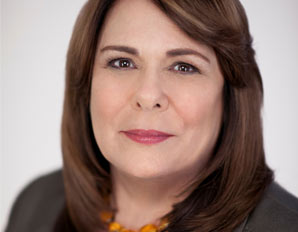
Here are some TM-related highlights from this excellent interview in Prevention. Click on the title to go to the complete article where you will see answers to other questions, like what Candy was anticipating from Romney and Obama, what her tactic would be to get them to give her answers, how her moderating style was going to be different from Jim Lehrer’s, what it means to her being the first female moderator of a presidential debate, and how she has the confidence to not be intimidated by men.

10 Questions for Candy Crowley, Presidential Debate Moderator

How Transcendental Meditation, a vegetarian diet, and a serious ability to kick ass keeps Candy Crowley sane

By Mandy Oaklander

It was a 1 a.m. dinner of pretzels and Twizzlers in a 7-Eleven parking lot that made Candy Crowley realize it was time for a change. That’s when Crowley, CNN’s chief political correspondent, decided she needed to ask herself some serious questions: about her diet and her stress levels, about how well she was managing both. Within the year, she’d gone vegetarian, her exercise regime, and most importantly, her ability to manage stress. Thank God, because she’s about to take on the night of her life.

At 63, Crowley is best known for her political reporting on CNN and as host of that network’s show State of the Union. But one of her greatest honors comes tomorrow, when she’ll become the first woman in 20 years to moderate a presidential debate. How does she plan to stay zen? Crowley’s secret weapon is Transcendental Meditation (TM). “It’s the only thing I won’t go a day without doing,” she says. Make that half a day; Crowley practices every morning and night. Prevention caught up with the meditating vegetarian days before the debate to talk TM, politics, and the Year of Candy.

PVN: How did you get into Transcendental Meditation?

CC: My TM [Transcendental Meditation] experience started right after the last election. Campaigns are just so hard on everything. You’re on the bus, you’re off the bus, you’re on the plane, you’re in a hotel. And that’s really your life: You think you’re not going to eat and then you eat too much, or you think you are going to eat and you don’t eat enough. You’re just so stressed out and tired.

When the 2008 campaign was over, I said, “How about if I promise myself that I will spend a year concentrating on getting healthy and doing the right things? If I hate it and it’s horrible, at the end of the year I’ll just go back and eat crazy.” My friends called it The Year of Candy. I had a friend who said, “You oughta try Transcendental Meditation.”

PVN: What’s your TM routine?

CC: It’s a relaxation technique.  A TM teacher once said to me, “You know when you have a really wavy day on a boat, and you’re getting tossed around and there’s white caps everywhere? That’s kind of where we spend most of our time: on top of the waves.” But if you jump into the water and can get down to the bottom, it’s so still and quiet. That’s where TM is. I just sit in a chair in my room. I meditate in the airport. I meditate in my office in the afternoon. It doesn’t require a special place or even a lack of people.

PVN: How do you feel now, compared to your life before the Year of Candy?

CC: I feel better. Sustaining a Year of Candy can be difficult in election years, I’ve found. It’s still too easy for me to go, “If I could just have that extra hour of sleep, I’d be really happy.” I’m not good at coming home at 8 o’clock at night and running on the treadmill. I say this all the time to a guy that I work out with: “I want to love this, but I just can’t.  I just don’t!” And he says to me all the time, “Just love how it makes you feel afterward. Just keep your mind on that.” That’s the only thing that’s ever going to get you out of bed.

PVN: Do you think that meditation has made you a better journalist?

CC: I think that it has made my thought process more ordered. When your stress level is lower, you make better decisions and you have a better thought process.

Do I still get angry? I do. Do I still get frustrated? I do. Do I still have stress? Yes. I don’t think that’s the point; the point is for you to be able to handle the stress. The point is that I don’t hang onto my anger nearly as long as I used to.  It just takes the harsh edges of life and softens them up in a way that you can cope with them.

PVN: It’s the night before the debate. What’s tonight going to look like for you?

CC: Knowing me, I think I’ll be sitting in my hotel room with a stack of papers, making sure I’m up to date on what the last thing everyone has said about things. I’ll meditate, and then I’ll read some more papers, and then I’ll go to bed.

I’m hoping that it will be really mellow. By the way, all my kids are going to be in town, so it’s going to be a huge lesson in restraint for me not to want to go out and party with them.

PVN: Do you have a moderating mantra?

CC: Five minutes before I get on a show, I take deep breaths and settle in. I just say, “Listen,” because that’s the most important part that most people forget. You’ve got to listen to the answers. Otherwise, you’re not having a conversation. And that’s about the last thing I tell myself before I go on air.

Related stories: Daily Mail: Debate moderator Candy Crowley’s secret of success? Transcendental Meditation | Politico: Candy Crowley on Transcendental Meditation | HuffPost Healthy Living: Transcendental Meditation: Candy Crowley And Other Celebrity Followers | New York Times: Candy Crowley’s Debate Prep| Glamour: 6 Things to Know About Candy Crowley, Including Why She’s Causing So Much Controversy Before Tonight’s Presidential Debate| Access Hollywood: Healthy Hollywood: Wellness Wednesday – Candy Crowley’s Calming Secret!

Other related news: CNN anchor Candy Crowley gives Commencement Address at Maharishi University of Management | Candy Crowley visits KRUU-FM before delivering Commencement Address at Maharishi University | CNN’s Candy Crowley to give Commencement Address at Maharishi University of Management | Fairfield Ledger: Crowley speaks to M.U.M. grads | Los Angeles Times: CNN’s Candy Crowley has taken up Transcendental Meditation

Hard evidence grows for including meditation in government-sponsored health programs

October 17, 2012

Hard evidence grows for including meditation in government-sponsored health programs was released on EurekAlert! October 17, 2012.

More people still die from cardiovascular disease than any other illness. Dubbed the number one killer and the silent killer, modern medicine has been researching and incorporating complementary and alternative approaches to help treat and in some cases reverse and hopefully prevent this health problem at an earlier stage of the disease. One of those modalities is meditation.

A new research review paper on the effects of the stress-reducing Transcendental Meditation (TM) technique on the prevention and treatment of heart disease among youth and adults provides the hard evidence needed to include such evidence-based alternative approaches into private- and government-sponsored wellness programs aimed at preventing and treating cardiovascular disease.

The paper, “Prevention and Treatment of Cardiovascular Disease in Adolescents and Adults through the Transcendental Meditation® Program: A Research Review Update” is published in Current Hypertension Reviews, 2012, Vol. 8, No. 3.

• In teens, the TM technique has been found to reduce blood pressure, improve heart structure and improve school behavior. According to the paper, the technique has been shown to be a safe alternative. The NIH-sponsored clinical trials conducted with TM mentioned in this review did not observe any adverse effects from TM practice.

• In adults the technique reduced stress hormones and other physiological measures of stress and produced more rapid recovery from stress, decreased blood pressure and use of blood pressure medication, decreased heart pain in angina patients, cleared the arteries, reducing the risk of stroke, improved distance walked in patients with congestive heart failure, and decreased alcohol and tobacco use, anxiety, depression, and medical care usage and expenditures. The technique also decreased risk of death from heart disease, cancer, and all causes.

“These findings have important implications for inclusion of the Transcendental Meditation program in medical efforts to prevent and treat cardiovascular disease,” says Dr. Vernon Barnes, lead author and research scientist at Georgia Health Sciences University, in Augusta, Georgia.

“This review is potentially more important than individual research papers because it shows that TM has an integrated, holistic effect on all levels of cardiovascular disease,” says co-author, Dr. David Orme-Johnson.

Orme-Johnson says that no other meditation technique has been shown to produce this constellation of changes, especially when it comes to hard measures of cardiovascular disease.

Dr. Barnes said it was important to start preventing heart disease with adolescents before the disease sets. “Adding Transcendental Meditation at a young age could prevent future cardiovascular disease and save many lives, not to mention reduce the national medical bill by billions of dollars.”

This model shows how regular practice of the Transcendental Meditation Program may reduce chronic stress, which in turn reduces CVD risk factors and improves stress reactivity, thereby decreasing cardiovascular disease, and consequential morbidity and mortality.

Uniqueness of the Transcendental Meditation technique

The uniqueness of the outcomes of the TM technique may have something to do with the mechanics of the practice of the technique itself says Dr. Barnes. “Meditation practices are different from each other and therefore produce different results. And this is a very important consideration when evaluating the application of meditation as an alternative and complementary medical approach.”

A paper in Consciousness and Cognition discusses three categories to organize and better understand meditation. See Are all meditation techniques the same?

The two common categories are focused attention, concentrating on an object or an emotion, like compassion; and open monitoring, being mindful of one’s breath or thoughts, either contemplating the meaning of them, or just observing them.

Transcendental Meditation uses a different approach and comes under the third category of automatic self-transcending, meditations that transcend their own activity.

The TM technique does not employ any active form of concentration or contemplation, but allows the mind to effortlessly experience the thought process at more refined levels until thinking comes to a quiet settled state without any mental activity. The mind is awake inside and the body is resting deeply, a level of rest much deeper than deep sleep. It is this state of restful alertness that allows the body to make the necessary repairs to rebalance its normal functioning. This cumulative process resets the physiology and shows up as reduced symptoms of cardiovascular disease and improved health.

###

The EurekAlert! press release was publicized by other medical and science websites like Science Codex, PhysOrg, and PsychCentral: Meditation Technique Lowers Stress, Improves Cardiovascular Health. Medical News Today reported: Evidence Suggests That Meditation Should Be Included In Government-Sponsored Health Programs and embedded the video of Dr. Oz talking about TM. Holistic Future: Evidence shows Transcendental Meditation prevents heart disease

For a clear comprehensive understanding see Transcendental Meditation Visualized [Infographic].

Norman Rosenthal spoke in Chicago on Light and Transcendence—alternative modalities to reduce stress, optimize health

September 11, 2012

Norman Rosenthal, M.D., was in Chicago September 5-7 to deliver a series of talks at various medical, educational, and public venues. His main theme was using Light and Transcendence as alternative approaches to reduce stress and optimize health. Dr. Rosenthal addressed 200 people at the University of Chicago Gleacher Center Wednesday evening, spoke on Thursday with staff and students at Stritch School of Medicine at Loyola, and talked with health care and other professionals as a guest of the Chicago Lakeshore Hospital at a Friday luncheon.

Dr. Norman E. Rosenthal is the world-renowned psychiatrist and author whose research in describing seasonal affective disorder (SAD) and pioneering the use of light therapy has helped millions of people. The New York Times best-seller, Transcendence: Healing and Transformation Through Transcendental Meditation, is out in paperback this month (September 2012), with a Foreword written by Mehmet C. Oz M.D., and a new concluding chapter, After Transcendence.

At the same time, Winter Blues: Everything You Need to Know to Beat SAD, which the New York Times called “a landmark book,” is being released in its revised and updated fourth edition. It includes a chapter, Meditation for the Winter Blues.

Stressful times affect health and happiness

Economic challenges, the feeble job market and information overload, not to mention the drought, conspire to stretch people to the breaking point. Everyone is experiencing some degree of stress and anxiety in their lives. In fact, the NIMH (National Institute of Mental Health) estimates that 40 million adults, one in seven, have some type of anxiety disorder.

Dr. Rosenthal pointed out the current epidemic of stress has resulted in cardiovascular disease as well as psychiatric disorders. It effects everyone from war veterans to the general public. “Having witnessed the mental and spiritual anguish of many hundreds of people,” he said, “I find the potential clinical power of this technique (TM) amazing.”

Transcendental Meditation—a simple effective solution

A Clinical Professor of Psychiatry at Georgetown University Medical School, Dr. Rosenthal was initially very skeptical about the effectiveness of the Transcendental Meditation technique for beating stress and anxiety. After examining the research, however, he said, “I came to scoff and remained to pray,” paraphrasing a famous line from Irish writer, playwright, and physician Oliver Goldsmith‘s poem The Deserted Village.

Dr. Rosenthal at University of Chicago Gleacher Center explained three different categories of meditation and how they effect the brain producing different results

The former NIMH researcher explained three different categories of meditation and how they effect the brain. He said having the right instruction in meditation can make a world of difference in the results.

Dr. Rosenthal described research examining the Transcendental Meditation program resulting in hard evidence not seen with other meditation techniques. He cited improvements in cardiovascular health, reduced drug, alcohol and tobacco use, reduced PTS symptoms in veterans, and studies showing significant reductions in health care costs and utilization resulting from twice daily TM practice.

Mr. Ulrich Sandmeyer, co-owner with his wife Ellen, of Sandmeyer’s Bookstore, an independent Chicago bookseller, brought Dr. Rosenthal’s books to every event. He does this service for speakers 3-4 times a week and has done so for 20 years.  He said that Norman Rosenthal was the most compelling speaker he has ever encountered. Coming from Mr. Sandmeyer that says a lot!

Thanks to Carla Brown, Ed.D., co-director of the Transcendental Meditation Program in the Greater Chicago Area, for organizing these events for Dr. Rosenthal and for sending us some highlights of the tour.

Click on Transcendental Meditation Visualized [Infographic] to see this new post on Dr. Rosenthal’s blog. He says, “The infographic below is brought to you as a resource and extension of the book ‘Transcendence,’ which features some of the main points about Transcendental Meditation that I highlighted in the book.”

Related posts on this topic

Dr. Norman Rosenthal gives an engaging talk to medical staff at Northern Westchester Hospital

PsychCentral reviews Norman Rosenthal’s book Transcendence: Transcendental Meditation: What Is It and How Does It Work?

Dr. Catherine Ulbricht interviews psychiatrist and author Dr. Norman Rosenthal for Natural Standard

A Transcendental Cure for Post-Traumatic Stress by David Lynch and Norman E. Rosenthal

Additional information on Norman Rosenthal, Transcendence and Winter Blues are listed below and available in his Press Kit.

(more…)

First international article on TM in Education: Meditation helps students, by Dana Micucci

August 7, 2012

International Education: Meditation helps students

By Dana Micucci

Published: Tuesday, February 15, 2005

NEW YORK — New research appears to be strengthening the case for teaching Transcendental Meditation in U.S. schools, showing it to be a means to improve the concentration of students and a way to enhance their physical and mental well-being.

Proponents say that students who meditate daily are calmer, less distracted and less stressed and less prone to violent behavior.

A study conducted at the Medical College of Georgia in Augusta, Georgia, which will be published in the April issue of the American Journal of Hypertension, found that Transcendental Meditation reduced high blood pressure in African-American teenagers. The study tracked 156 inner-city black adolescents in Augusta, Georgia, with elevated blood pressures. Those who practiced 15 minutes of Transcendental Meditation twice daily steadily lowered their daytime blood pressures over four months compared to non-meditating teens who participated in health education classes and experienced no significant change.

The technique was developed 50 years ago by the Maharishi Mahesh Yogi, and consists of silently repeating a mantra for about 20 minutes a day. It found its way into classrooms 30 years ago after Robert Keith Wallace, a medical researcher at the University of California, Los Angeles, published the first study on its positive physiological effects.

Since then, studies at universities like Harvard, Stanford and UCLA have shown that Transcendental Meditation can ease stress and enhance both physical and mental health and behavior.

Bolstered by these studies, groups of educators, parents and physicians across the United States have turned to Transcendental Meditation as a possible antidote to rising anxiety, violence and depression among students. Committees for Stress-Free Schools were established last year in New York, Washington, Los Angeles, Chicago and other cities. These committees serve as information resources about the potential benefits of meditation for students and teachers.

Transcendental Meditation is a simple mental technique that can have profound physiological effects,” says Gary Kaplan, a neurologist and clinical associate professor of neurology at New York University School of Medicine and chairman of the New York Committee for Stress-Free Schools. “It produces a state of restful alertness that provides the body with deep, rejuvenating rest and allows the mind to reach higher levels of creativity, clarity and intelligence.”

However, initial efforts to introduce the teaching of Transcendental Meditation in schools were controversial. Opponents criticized it as a religious practice and in the mid-1970s a group of citizens brought a lawsuit against several New Jersey high schools, forcing them to withdraw their programs. At the time, a New Jersey court ruled that Transcendental Meditation had religious overtones and therefore could not be offered in a public school.

“The challenge lies in educating people that although Transcendental Meditation is rooted in the Indian Vedic spiritual tradition, it is not a religious practice,” says Kaplan.

At the Fletcher-Johnson School, an elementary and junior high school in a rough Washington neighborhood, meditation has been reported to help to improve student performance and reduce fighting. George Rutherford, the principal who introduced Transcendental Meditation 10 years ago, said, “We saw immediate results.”

He added, “There was a lot of violent crime around the school. But after we trained our students in Transcendental Meditation, they were calmer. There was less fighting, and attendance increased. Students scored better on standardized tests. Transcendental Meditation helped to remove a lot of their stress.”

Now, as principal at Ideal Academy (Public Charter School) in Washington, Rutherford is training teachers in Transcendental Meditation to combat teacher burnout.

At the Nataki Talibah Schoolhouse in Detroit, an elementary and middle school, students and teachers have been practicing Transcendental Meditation twice daily for the past seven years. Carmen N’Namdi, co-founder and principal of the school, says that “given the enormous stresses of today’s world, children, like adults, need to learn how to rest and relieve tension.”

Recent research spearheaded by Rita Benn, director of education at the Center for Complementary and Alternative Medicine at the University of Michigan, found that meditating students at Nataki Talibah Schoolhouse were happier, handled stress better, had higher self-esteem and got along better with their peers than non-meditating students at another Detroit school.

In addition to improving the emotional and social development of children, meditation can also be effective in treating brain disorders such as attention deficit hyperactivity disorder, according to a study conducted in April 2004 at Chelsea School in Silver Spring, Maryland, a private school for children with learning disabilities.

“We compared students before and after they learned Transcendental Meditation,” said the principal investigator, Sarina Grosswald, president of S J Grosswald & Associates, a consulting firm in medical education in Alexandria, Virginia. “Kids who practiced Transcendental Meditation for 10 minutes twice each day for three months reported being calmer, less distracted, less stressed, and better able to control their anger and frustration.”

This New York Times article was first published earlier that day by the Paris editor of the International Herald Tribune. Click on Meditation helps some students to download a PDF of this groundbreaking article on the front page of the Tribune’s Education section.

Around that time in early 2005, the David Lynch Foundation for Consciousness-Based Education and World Peace had been established to provide Transcendental Meditation to at-risk students around the world. Today many educational institutions have successfully implemented this Quiet Time program in their schools.

The David Lynch Foundation has since gone on to provide scholarships for TM instruction for other at-risk populations: Native American Indians, the homeless, prisoners, girls and women victims of abuse, and veterans from all wars and their families suffering from post-traumatic stress.

For more information and videos on these programs, visit www.davidlynchfoundation.org.

For veterans, visit www.operationwarriorwellness.org.

For a short overview see these Excerpts From David Lynch Foundation Videos: Changing Lives With Transcendental Meditation.

Search for more DLF and OWW articles and videos posted on this blog.

Excerpts From David Lynch Foundation Videos: Changing Lives With Transcendental Meditation

July 19, 2012

David Lynch Foundation: Changing Lives With Meditation

Uploaded by on Jul 11, 2012

Since 2005 the David Lynch Foundation has shared Transcendental Meditation with our most stressed populations. http://www.davidlynchfoundation.org

Veterans: “A year ago this month I was suicidal. I was so low that I just wanted to not be here….Transcendental Meditation saved my life.”

At-Risk Youth: “I used to say I’m gonna get my grades up I’m gonna do better. But still it was just what I said, it never happened. Until I started meditating.”

African Refugees: “After my husband died my in-laws turned against me. They tortured me, almost killed me….those days I used to cry too much but now even the tears, they are holding. I’m great.”

Prisoners: “If you just take the time to meditate, free your mind, everything will come together.”

Homeless: “I was just so frustrated and full of misguided anger I didn’t know where to direct it to….people tell me you’re so calm….it’s surprising even to me.”

Native Americans: “I lost four members of my family to diabetes. I don’t want that to happen to my people….Since I started TM my sugar has been where it should be. So, I’m sold on TM.”

20 minutes twice a day changed them. Meditation changed them.

“Sorrow, anxiety, traumatic stress, depression, hate, anger, rage, fear start to lift away. Life just gets better and better and better.” – David Lynch

“I think this is what people need. They don’t need high minded talk, they need results.” – Paul McCartney

“Speaking as a scientist the amazing thing about Transcendental Meditation is the very well-established research showing the technique impacts things that we didn’t think were changeable.” – Dr. Oz

“The initial research on the effects of Transcendental Meditation in treating PTSD offers so much hope. Better then many things being tried at far less a cost.” – Candy Crowley

To help bring scientifically-validated, stress-reducing Transcendental Meditation to at-risk populations around the world, please visit: http://www.davidlynchfoundation.org/donate.html