Based on Dr. Schneider’s recently published TM and heart health studies, which we publicized via EurekAlert!, Thrive Global reached out to us a few weeks ago inviting Dr. Schneider to submit an article on his work. It was published last week, January 24, 2020, in their Wisdom section. I added hyperlinks here to some of the studies mentioned in the article.
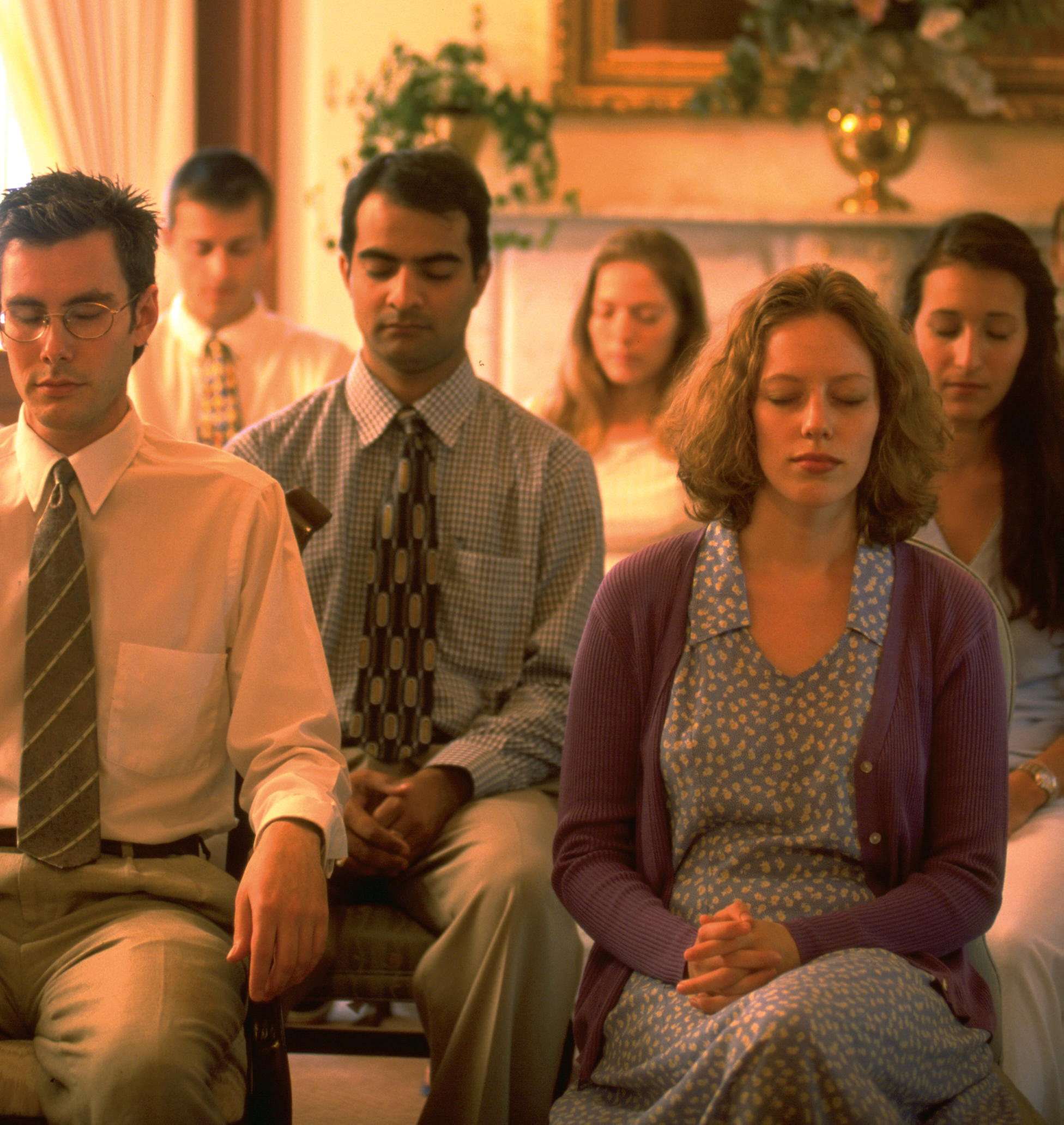
Students at Maharishi International University practice the effortless technique of Transcendental Meditation twice a day.
My colleagues and I have long been concerned about the high rates of cardiovascular disease in the US that have spread throughout the world. Despite advances in modern medicine, heart attacks and strokes are the leading cause of death globally. One of the reasons for these high rates is the epidemic of stress in modern society. Early in my career, I studied the connection between psychological stress and high blood pressure and heart disease. This was a negative effect of the mind-body connection. About 30 years ago, I decided to investigate how the mind-body-heart connection could be positively managed with effective stress reduction, particularly the Transcendental Meditation® technique.
During that time, we and our colleagues at major academic medical centers in the US, such as Columbia University Medical Center, Medical College of Wisconsin, Cedars Sinai Medical Center and Charles Drew University, received funding from the National Institutes of Health and foundations to study effects of mind-body intervention with Transcendental Meditation in high-risk groups, like African Americans with high blood pressure or established heart disease. The results of this series of well-controlled studies, known as randomized controlled trials, showed that practice of Transcendental Meditation lowered high blood pressure, reduced insulin resistance (aka metabolic syndrome*), reduced atherosclerosis, and prevented abnormal enlargement of the heart (called left ventricular hypertrophy) in one of most recent studies. Some of our published pilot studies suggested improvements in blood flow to the heart and benefits to patients with heart failure.
A landmark study that brought all these findings together followed 200 patients with known heart disease over an average of five years. Half practiced Transcendental Meditation and half attended a class about cardiovascular factors. All participants continued their usual medicines and medical care. At the end of the study, the results showed that the meditating participants had a 48% lower rate of death, heart attack and stroke compared to controls. We believe that this remarkable result was due to redacted risk factors such as high blood pressure, psychological stress, and possibly cardiac enlargement. The results of reduced mortality in long-term TM practitioners were replicated in a separate study of older participants with high blood pressure. All of these studies have been published in peer-reviewed medical journals, many in top ones like the American Heart Association and American Medical Association.
Based on these findings an American Heart Association scientific statement acknowledged these scientific studies and recommended that Transcendental Meditation be considered in the treatment of all patients with high blood pressure. And that’s a lot of people — according to the most recent guidelines, nearly half of all adults in the US. The research is continuing, but I would say that if you’re at risk for heart disease — and that’s most men and women — consider managing your mind and body with Transcendental Meditation®. It’s easy to learn and practice, has extensive scientific evidence, and has other positive “benefits” for mental and physical health. It could save your life. For more information, visit https://www.tm.org.
*Video of Dr. Oz presenting TM research at DLF event.
(Click on Page 2 for a photo and Bio of Dr. Schneider.)
Mary Oliver lived her life that way: “To pay attention, this is our endless and proper work,” and put it into a 3-line poem, Instructions for living a life: Pay attention. / Be astonished. / Tell about it.
In our efforts to fluently express ourselves, writing, primarily, is a process of self-discovery. Burghild Nina Holzer says journal writing allows us to discover who we are and what we have to say.
Talking to paper is talking to the divine. Paper is infinitely patient. Each time you scratch on it, you trace part of yourself, and thus part of the world, and thus part of the grammar of the universe. It is a huge language, but each of us tracks his or her particular understanding of it.
WHO ARE YOU?, a poem in the film, Words and Pictures, invites us to write and discover who we are. There’s a fascinating story behind it.
In Learning by Teaching, Donald M. Murray said: The most accurate definition of writing, I believe, is that it is the process of using language to discover meaning in experience and to communicate it.
A good writer uses words to discover, and to bring that discovery to other people. He rewrites so that his prose is a pleasure that carries knowledge with it. That pleasure-carrying knowledge comes from self-understanding, and creates understanding in the minds of other people.
— Written and compiled (citing sources) by Ken Chawkin for The Uncarved Blog.
Transcendental Meditation – Helping to ease the busy mind
As the UK slowly sheds its prehistoric attitudes to mental health, meditation is coming to the fore as an accessible and achievable way of improving both emotional and physical well-being.
The growing weight of evidence of its effectiveness in tackling all manner of mental and physical maladies make it an attractive prospect for all of the people whose internal monologue isn’t as measured or as supportive as they’d like it to be.
I had attempted meditation in the past, in the less than stressful environs of Brighton Buddhist Centre, but enjoyable and pleasant as it was, I was unable to immediately tame my ‘monkey mind’, and blundered on with the chaotic maelstrom of life.
Mark Heath, a certified teacher of Transcendental Meditation
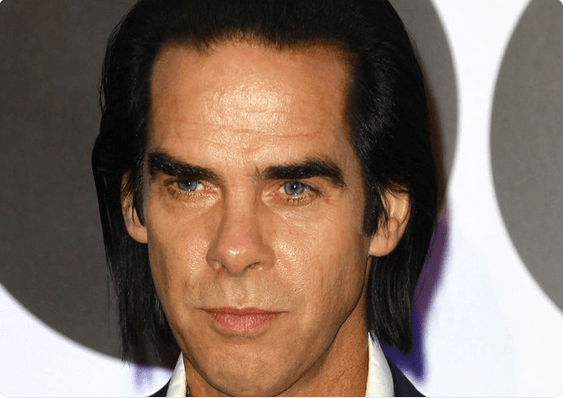
But then in June last year I was lucky enough to see Nick Cave perform a memorable show at the Brighton Dome, in which the engaging singer-songwriter espoused the benefits of Transcendental Meditation (TM), and cited it as a contributory factor in his continued recovery following the sudden loss of his 15-year-old son Arthur.
Cave has always been a hugely charismatic figure, but his openness and generosity of spirit in the face of such a harrowing experience, was remarkable, and he provided an incredibly positive and persuasive advert for TM.
Inspired by the words and positive actions of the former Godfather of Goth, I got in touch with the Brighton and Hove branch of Transcendental Meditation.
The worldwide organisation, developed by Maharishi Mahesh Yogi, and famously popularised in the UK by The Beatles, has taught its techniques to more than ten million people of all ages, cultures and religions, who learn to meditate in the hope of attaining inner peace and wellness.
David Lynch. (Photo by Alberto E. Rodriguez/Getty Images)
Those techniques are simplicity itself, based on the silent recital of a mantra, whilst seated, for 20 minutes, twice a day.
Film director David Lynch, a passionate advocate of TM, has not missed a single twice-daily meditation in more than 45 years, and has said it has given him ‘effortless access to unlimited reserves of energy, creativity and happiness deep within’.
For Sussex residents the pursuit of that happiness begins in the suitably serene surroundings where Mark Heath teaches the principles of Transcendental Meditation in the cosiest and most welcoming of venues at the Brighton and Hove TM Centre on the northern outskirts of Brighton.
An enjoyable one-to-one session included a simple ceremony where I was given my very own personal mantra and immediately encouraged to embark upon the aforementioned twice-daily meditations.
The following week I attended small group sessions with other people who had also just begun their Transcendental Meditation journey, where we discussed our early experiences and Mark, with great enthusiasm and patience, answered our questions.
He also explained the theoretical principles, which he said would subconsciously stop the brain questioning the process and help TM to do its thing.
The mantra is key, obviously, and TM accepts that you won’t immediately be able to banish all other thoughts, but in the moments between the mantra and random thought, will, hopefully, be the moments when you transcend thought.
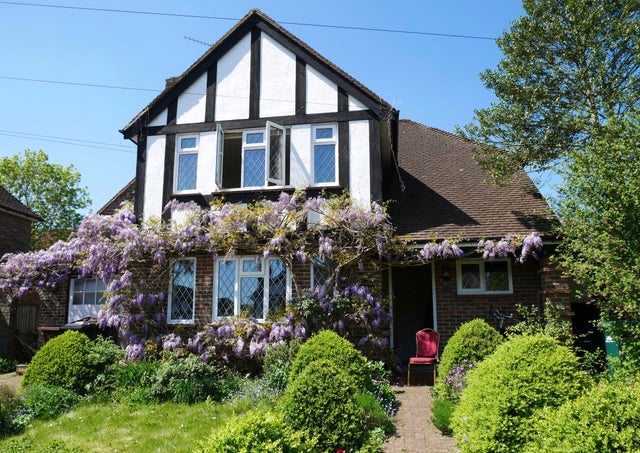
The Brighton and Hove Transcendental Meditation Centre
There were also plenty of great group meditations (which are available on an open-ended basis after the course concluded) and Mark proved to be the perfect guide, full of warmth and the second great advert for TM I’ve encountered.
A month on from completing the course, and looking forward to more group meditations, I’m largely sticking to the twice-daily programme (sometimes life gets in the way) and noticing some benefits and hopeful for more in the future.
I’m miles away from the beatific glow which seems to come across Mark’s face the moment he begins to meditate, and I haven’t quite reached the joyful depths that David Lynch luxuriates in on a twice-daily basis, but I’m happy in the spiritual beginners pool and poised to go deeper…
And speaking of the Beatles, here’s a great cover story on Ringo in Parade. It came out last summer on his 79th birthday. I excerpted his profound comments on life and TM in this post: What Transcendental Meditation does for Ringo.
Visit Mark Heath’s YouTube channel to see what Meditators of Brighton & Hove have said about learning Transcendental Meditation. Listen to Holly, an actress, describe how she felt before and after having learned to meditate in May 2019. Holly learnt TM after watching a video of David Lynch explaining how he has never missed a meditation in over 40 years!
Speaking of the legendary filmmaker, Huffington Post writer Marianne Schnall published this excellent interview with David Lynch about his passion for TM and the non-profit foundation (DLF) he founded to help people overcome trauma and transform their lives through the Transcendental Meditation technique.
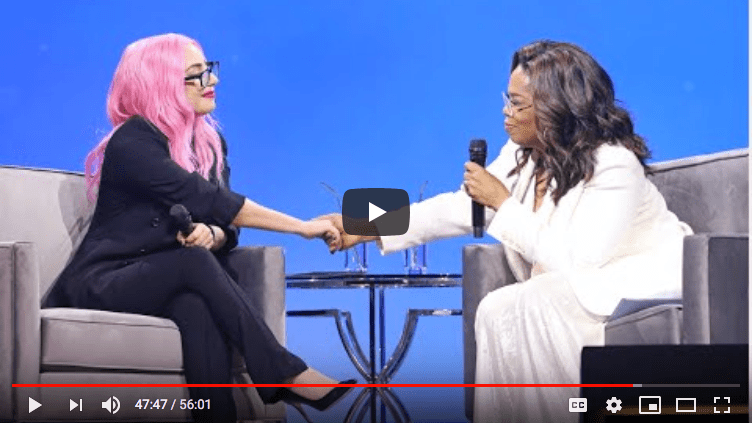
Two weeks ago I was watching this interview between Oprah and Lady Gaga during the launch of Oprah’s 2020 Vision Your Live in Focus Tour in Ft. Lauderdale, Florida.
Lady Gaga Talks Mental Health at Oprah’s 2020 Vision Tour. Lady Gaga shares a lot of her personal history and mental health situation with Oprah. She’s been living with a great deal of pain from fibromyalgia, explains where it came from, and how she is medically and psychologically dealing with it.
Oprah then asks her about the other things she does to keep herself spiritually sound and centered. Lady Gaga answers, “I meditate. I do Transcendental Meditation. It’s great. Bob Roth taught me.” Oprah says, “Bob Roth taught me.” Lady Gaga whispers to Oprah, “Isn’t he great?” Oprah agrees, “He’s great.” Gaga explains when she misses a meditation, “when I slip up on it, you know it’s not the best, because it’s better when I do. And sometimes I can be in a ton of pain, and meditate and it goes away! It’s amazing!”
Some of us had known that Lady Gaga, born Stefani Joanne Angelina Germanotta, had learned Transcendental Meditation, but it was private. This seems to be the first time she’s come out about it publicly, to Oprah and her audience, and how TM’s been helping her.
After the interview, Oprah went backstage to personally thank Lady Gaga for her bravery, honesty and vulnerability, and how great their talk was. It’s on Oprah’s Instagram page.
I was so surprised by this public revelation that I sent it out to my newsletter subscribers and told Bob Roth @meditationbob, DLF CEO, about it. He hadn’t heard about it yet and was also pleasantly surprised.
Within a short time the David Lynch Foundation tweeted it and posted it on their and Bob‘s Instagram accounts. The video clip was also recently posted on Twitter by Maharishi International University @maharishiuni. By now, this video clip has gone viral globally, so I figured I might as well post it on my blog. Enjoy!
A randomized controlled study recently published in the Hypertension issue of Ethnicity & Disease found the Transcendental Meditation (TM) technique helps prevent abnormal enlargement of the heart compared to health education (HE) controls. Also known as left ventricular hypertrophy (LVH), it can lead to chronic heart failure and death. It is twice as prevalent among African Americans. LVH and CVD death rates are double in African Americans compared to whites, possibly due to psychosocial stress.EurekAlert! Press Release
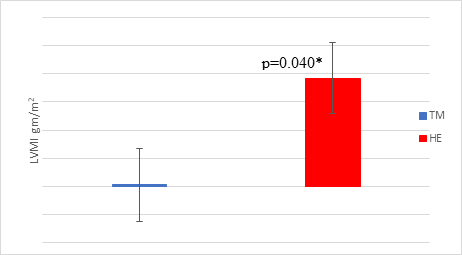
Changes in Left Ventricle Mass Index (LVMI) between the TM and HE Groups after 6 Months
After six months, the control group showed nearly 10% progression of abnormal heart enlargement (LVMI) while the TM group maintained their baseline level of heart size.
Transcendental Meditation prevents abnormal enlargement of the heart, reduces chronic heart failure risk
A randomized controlled study recently published in Ethnicity & Disease in their Autumn 2019 Hypertension issue found that the Transcendental Meditation (TM) technique helps to prevent abnormal enlargement of the heart compared to health education (HE) controls. Also known as left ventricular hypertrophy (LVH), it can lead to chronic heart failure and death, and is especially prevalent among African Americans.
Risk factor for cardiovascular disease
Despite advances in medical care, cardiovascular disease (CVD) is the leading cause of death in the USA. Abnormal enlargement of heart, medically known as left ventricular hypertrophy (LVH), is an important risk factor for CVD. It doubles the risk of heart attacks, arrhythmias, stroke, heart failure, and death from CVD.
Heart disease death rates are significantly higher in African Americans than in whites, in part because the rate of LVH is double in African Americans compared to whites.
The disproportionately high rates are suggested to be associated with the burden of psychosocial stress.
A recent scientific statement from the American Heart Association emphasized the potential for stress-reduction methods to prevent heart disease and premature mortality in African Americans.
Prevented further heart enlargement
The trial included 85 African Americans with high blood pressure who were randomly assigned to Transcendental Meditation or to a health education (HE) control group, in addition to usual medical care.
This trial tested the effects of stress-reducing meditation to prevent LVH in this high-risk population. It found that stress reduction with TM practice prevented heart enlargement in hypertensive African American patients.
After six months, the control group showed nearly 10% progression of abnormal heart enlargement while the TM group maintained their baseline level of heart size.
The findings of this study suggest that TM practice is an effective nondrug method for preventing heart enlargement in African American hypertensives who are especially at high risk of developing associated CVD.
“This is a form of heart disease where nondrug treatments are relatively understudied,” said Professor Robert Schneider, MD, FACC, first author. “Since the physiology of stress contributes to cardiac enlargement, we hypothesized that managing one’s mind-body connection with Transcendental Meditation might prevent the disease process.”
Use of echocardiography to detect hypertrophy
Echocardiography is a noninvasive diagnostic test that uses ultrasound waves to create an image of the heart muscle. Ultrasound waves that rebound or echo off the heart can show the size, shape, and movement of the heart’s valves and chambers as well as the flow of blood through the heart. It can therefore be used to detect heart chamber or wall enlargement known as hypertrophy.
Echocardiography was issued at the start of the study to both TM and HE groups. After six months of practice, repeat testing with echocardiography found that the HE control group progressed on cardiac enlargement while the TM group prevented further enlargement. There was a significant change in left ventricle mass index (LVMI) between the groups after the six-month intervention.
11% reduced risk of cardiovascular mortality
Komal Marwaha, M.D., Ph.D., coauthor of the study and an associate professor in the Department of Physiology and Health at MIU, Maharishi International University (formerly Maharishi University of Management) worked on this research as part of her doctoral thesis.
“By preventing left ventricle mass index progression in the present study, TM may reduce the likelihood of cardiovascular morbidity and mortality associated with LVH,” she said. “Patients randomized to practicing the TM technique in the current study had an estimated 11 percent reduced risk of cardiovascular mortality and an 8 percent reduced risk of all-cause mortality compared with the control group.”
Dr. Schneider, dean of MIU’s College of Integrative Medicine, said these reductions are significant. “These results suggest that an effective technique for stress reduction may prevent the progression of left ventricular hypertrophy and thereby help to prevent premature heart disease and cardiac mortality.”
Keith Norris, MD, PhD, Professor of Medicine at UCLA, and one of the study’s co-authors, added: “We hope these findings will lead to more investigations into nondrug interventions for the prevention and early intervention of heart disease that are sorely needed given the high cost of health care in our nation and the impact of health care cost on low income and disproportionately minority communities.”
The research was conducted in conjunction with Martin Luther King Hospital and Charles R. Drew University of Medicine and Science in Los Angeles, and was funded by a grant from the National Institutes of Health.
Possible study limitations
Of the 85 original subjects, roughly 50% in each group were available for the final echocardiograph tests after the 6-month study period. The high attrition might have reduced power for some of the findings.
However, the attrition was not significantly different between the TM and the HE groups, thus reducing potential subject bias in the final sample. Moreover, the attritors and completers were not significantly different in demographic or physiological characteristics at baseline that prevented the occurrence of systematically biased treatment outcomes. No record of compliance for home TM practice was collected. However, the record of meeting attendance was significantly higher in the TM (80.6%) as compared with HE (50.2%) group (P=.001).
News coverage has been positive. The press release has been posted on medical news sites around the world. Johny Fernandez at CBS News in New York puts out a MedDay report on the top health stories in the news and included ours. It was picked up by KOLR 10 CBS News in Springfield, MO, on MedDay – December 27, 2019, and included in their Health and Medical segment. I cued up the video from their YouTube site. It’s also on their OzarksFirst site. It starts at 40 seconds in.
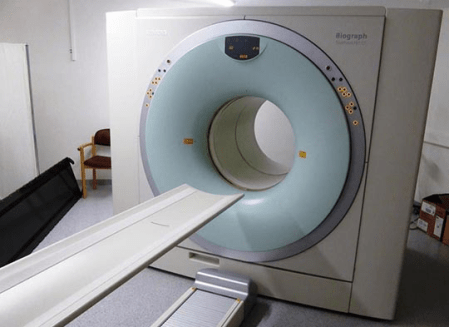
EurekAlert! Summary: Study finds coronary heart disease (CHD) patients who include Transcendental Meditation (TM) with cardiac rehabilitation (CR) increased blood flow to the heart by 20.7%. This was the first study to show TM significantly enhanced lifestyle modification in patients, and the first to use positron emission tomography (PET) to measure their effect on cardiac function and rehabilitation. The NIH-funded study was conducted at Columbia University Irving Medical Center in collaboration with the Institute of Prevention Research. See EurekAlert! Press Release.
###
Can more be done besides diet and exercise to better recover from a heart attack, a stroke, or to prevent one? Scientists from Columbia University Irving Medical Center and the Institute for Prevention Research conducted a study, with and without meditation, to find out.
The study, published in the Journal of Nuclear Cardiology, found that patients with coronary heart disease who included Transcendental Meditation (TM) with their cardiac rehabilitation regime increased blood flow to the heart by more than 20%.
The project was a groundbreaking proof-of-concept study, in that it was the first to combine Transcendental Meditation with other lifestyle treatment modalities, and the first to use positron emission tomography (PET) to measure the effect of lifestyle mind-body modification on cardiac function.
“This
was the first study to show that the cardiovascular benefits of lifestyle
modification such as structured exercise and dietary counseling may be enhanced
by adding Transcendental Meditation in patients with heart disease,” said
Robert Schneider, MD, FACC, co-director of the study and medical director of
the Institute for Prevention Research. “It also found that the
Transcendental Meditation technique alone was able to reverse the effects of
coronary heart disease assessed by PET imaging.”
Considered a gold standard for measuring myocardial flow reserve non-invasively, cardiac PET has diagnostic and prognostic significance in coronary heart disease.
Randomized, controlled pilot study
The
researchers randomly divided the subjects into four groups: cardiac
rehabilitation, Transcendental Meditation, Transcendental Meditation plus
cardiac rehabilitation, or usual care.
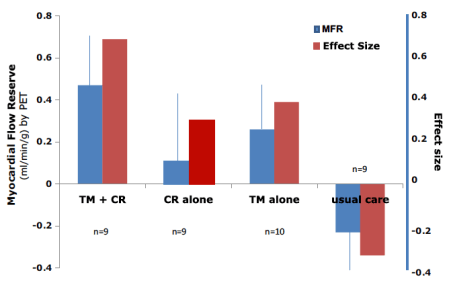
The results showed that of the 37 patients who completed posttesting, myocardial blood flow increased by 20.7% in the group that did both Transcendental Meditation and cardiac rehabilitation. Blood flow in the group that practiced Transcendental Meditation alone increased 12.8%. Cardiac rehabilitation by itself showed an improvement of 5.8%. And patients who received the usual treatment showed a decrease in blood flow of -10.3%. Also see graph of Changes in myocardial flow reserves for the combined TM and non-TM groups.
Stress
reduction therapies in cardiac rehabilitation
“Although this is a preliminary study, it suggests that managing one’s mind-body connection with Transcendental Meditation can improve the function of the heart in cardiovascular patients,” said Dr. Schneider, who is also dean of Maharishi University of Management’s College of Integrative Medicine.
He said that psychosocial stress is known to be a risk factor for coronary heart disease but that stress reduction therapies aren’t usually included in cardiac rehabilitation.
“More research needs to be done, but this study and previous research strongly suggest that medical professionals should consider utilizing this simple yet effective mind-body intervention in their heart health treatment and prevention programs,” Dr. Schneider said.
Possible
mechanism
While
it’s not known precisely how Transcendental Meditation would increase blood
flow, the researchers speculate that it’s a result of improved
endothelial-mediated coronary and arteriolar vasomotor function. That is, reduced
levels of stress hormones and possibly inflammation may result in improved
function of the endothelial cells that line the coronary arteries. They cite
research, which has found that modifying risk factors for cardiovascular
disease improves blood flow in the heart.
Limitations
of the study
While the study suggests that the Transcendental Meditation technique can increase blood flow in cardiovascular patients, carefully conducted clinical trials with larger sample sizes are needed to confirm the benefit.
“This was a first pilot study designed to determine the size of the effect and feasibility,” Dr. Schneider said. “Of the 56 original subjects, only 37 were available for the final posttesting of blood flow after the 12-week study period. In addition, compliance with cardiac rehabilitation was average, with attendance at exercise sessions about 60%. Also, the subjects practicing Transcendental Meditation may have received more attention than the rehabilitation group. This initial study paves the way for full scale clinical trials that will more rigorously evaluate these effects.”
Transcendental
Meditation also reduces risk factors for heart disease
Earlier
studies have shown that the Transcendental Meditation technique reduces risk
factors for cardiovascular disease, such as blood pressure, atherosclerosis,
and insulin resistance. A 2012
study found a 48%
reduction in heart attack, stroke, and death.
###
Effects of cardiac rehabilitation with and without meditation on myocardial blood flow using quantitative positron emission tomography: A pilot study https://doi.org/10.1007/s12350-019-01884-9.
Gary Null discussed the need for prevention on his show’s podcast and shared news of newly published natural approaches for improving heart health. He included MUM’s study at CUIMC from 26:28 to 27:10.
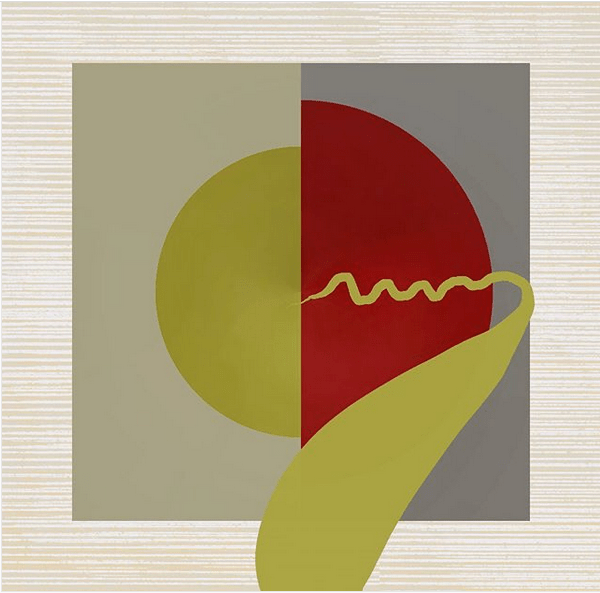
Author, visual artist, and TM teacher Donna Warwick posts digital paintings on her Instagram as @artsfusionist. She created this painting that expresses the effortless mysterious process of creation. The Absolute becoming Relative. BEing BEcoming. To me it looks like the moment of conception, and also the sprouting of a seed idea. Either way, it’s creation. It inspired me to write this haiku, then extend it to a tanka. Read Donna’s description below.
Effortless Creation
Inspired by a painting by Donna Warwick
I AM THAT I AM I AM ONE — Become Many BEING Becoming
I AM therefore I Create An Idea of My Self
®Ken Chawkin Nov. 29, 2019
Donna added this description for Thanksgiving Day: Thought and Action: It is the frictionless flow between thought and action that produces effortless achievement in life. One feels the profound connection between the source of thought and the fulfillment of the action. The sweetest thing is that the result of this is the bliss of experiencing something greater than our small selves. For the true source of all success is not the ego. Nor is it the wide assortment of details about one’s personality/individuality. That is why the experience of unity with unbounded pure consciousness is so fulfilling. Consciousness is that which is shared by all. For me, that experience is one of the natural results of my practice of the Transcendental Meditation technique. On this Thanksgiving I feel waves of gratitude to my TM teacher.
Mary Oliver’s poem, Messenger, was written in her own unique voice, but it must have been influenced by her favorite American poet, Walt Whitman. It’s a perfect poem to share for Thanksgiving, since her poetry is a thanksgiving for being alive in the world, appreciating every living thing in it, and singing their praises. “My work is loving the world…mostly standing still and learning to be astonished…which is mostly rejoicing…which is gratitude…a mouth with which to give shouts of joy.”
My work is loving the world. Here the sunflowers, there the hummingbird— equal seekers of sweetness. Here the quickening yeast; there the blue plums. Here the clam deep in the speckled sand.
Are my boots old? Is my coat torn? Am I no longer young, and still half-perfect? Let me keep my mind on what matters, which is my work,
which is mostly standing still and learning to be astonished. The phoebe, the delphinium. The sheep in the pasture, and the pasture. Which is mostly rejoicing, since all the ingredients are here,
which is gratitude, to be given a mind and a heart and these body-clothes, a mouth with which to give shouts of joy to the moth and the wren, to the sleepy dug-up clam, telling them all, over and over, how it is that we live forever.
You can read more about Mary Oliver and her astonishing poetry in this memorial acknowledgment of her poetic legacy to us.
Here is an added footnote: “Attention is the beginning of devotion.”
I remember Maharishi telling us that whatever we put our attention on will grow stronger in our life. The cornerstone to Mary Oliver’s appreciation of and love for the natural world around her was the power of her attention. She was awake to everything and was always astonished. Her sustained empathic attention to the land and its inhabitants inspired devotional poetry. In this interview, On Being’s Krista Tippett asks Mary Oliver about the role of attention in her work.
Ms. Tippett: I’d like to talk about attention, which is another real theme that runs through your work, both the word and the practice. I know people associate you with that word. But I was interested to read that you began to learn that attention without feeling is only a report. That there is more to attention than for it to matter in the way you want it to matter. Say something about that learning.
Ms. Oliver: You need empathy with it rather than just reporting. Reporting is for field guides. And they’re great. They’re helpful. But that’s what they are. They’re not thought provokers. They don’t go anywhere. And I say somewhere that attention is the beginning of devotion, which I do believe. But that’s it. A lot of these things are said but can’t be explained.
Mary Oliver’s essential message for living a full life
Mary Oliver said: “To pay attention, this is our endless and proper work.” She elaborated it in this 3-line poem, Instructions for living a life: Pay attention. / Be astonished. / Tell about it. And did she ever! It’s how she lived her life, and told us all about it in the gift of her amazing poetry.
For a more enlightened approach to corporate development, read how Nathanael Chawkin offers a vision of leadership that extends beyond single leaders implementing their will upon an organization—one in which mutual self-awareness between individuals contributes to a more functional and higher-achieving whole.
Click the title to read whole article. Here are the opening paragraphs, with a few excerpted quotes.
Studies show that 7 of 10 workers would trade their current jobs for a position that offered them more fulfillment and meaning—a third would even take a pay cut for that offer. Businesses have been taking notice of these findings from the science of motivation. According to a study by PwC, 79% of leaders know that employee fulfillment is paramount to business success. However, only 38% of these leaders are actually making business decisions according to this metric.
In other words, businesses know that to attract the best talent and
maximize the potential of their employees, they have to create cultures
of fulfillment in the workplace. But they are struggling with
implementation.
Nathanael Chawkin, after over six years as an executive coach for an intensive, 52-week integral leadership program, came to see this gap as the difference between what leaders were willing to put into practice themselves and the change they were capable of implementing within their own companies. That’s why he founded Palaestra Leadership in 2016, where he has been on the frontlines of creating cultural change within organizations.
Here are a few quotes from this informative article:
“My whole business is based on the mojo of being ‘on the mat’—building teams who know how to challenge each other through handling conflict and using that to create a whole new level of trust.”
“When you feel psychologically safe enough to take the risk of telling someone the truth about how you see them, of extending yourself for the sake of their personal growth, it is actually the constructive feedback that can make them feel like you really care about them.”
“When employees directly engage in coaching each other, they can learn by doing. You don’t get better by watching me do push-ups. You have to do them yourself to improve.”
“90% of people are willing to coach and be coached,” Chawkin says, citing a study by Imperative. “And that’s how they get a sense of fulfillment.”
I was impressed by this comment posted by Ian Gardner, CEO at Royale EV, one of Nathanael’s clients:
Having worked closely with Nathanael over the last 4 years in both a personal and professional setting I can attest to the power of his process and the pervasive positive impact it has on both company culture and team members personally. I won’t start another company without this commitment being embedded in the culture.
And this one from former associate LeeAnn Mallory, Leadership Coach + Consultant; Organization Alignment Leader; Podcast Host; Board Chair, Conscious Capitalism Dallas:
Nice work, Nathanael! Distributed leadership AND democratized leadership development through peer coaching!




 The Uncarved Blog