Archive for the ‘Health’ Category

Highlights of David Lynch Foundation honoring legendary manager and producer George Shapiro at first annual Night of Comedy

July 12, 2012

Los Angeles: June 30, 2012: The David Lynch Foundation hosted its first annual “Night of Comedy” to honor legendary manager and producer (and 30-year meditator) George Shapiro. Proceeds went to support TM programs for at-risk youth, veterans with PTSD, and women and girls who have been victims of violence and abuse. Headliners included Jerry Seinfeld, Jay Leno, Russell Brand, Garry Shandling and Sarah Silverman. Over 500 people attended. Thanks to all who participated and attended! Here is a quick edit of a fun 15-minute highlight reel from that very blissful evening. – Bob Roth, executive director, David Lynch Foundation.

Related coverage: Blue Carpet Interviews before the David Lynch Foundation Fundraiser Honoring George Shapiro  |  Chicago Tribune: A standup hero: Comedians fete Shapiro  |  Los Angeles Times Ministry of Gossip reports on the David Lynch Foundation’s Night of Comedy honoring George Shapiro  |  VIEW EVENT PHOTOS ON FACEBOOK

Watch this great interview of George Shapiro posted on Emmy TV Legends in the Archive of American Television. He shares great stories of comics he represented, including Andy Kaufman and Jerry Seinfeld. http://www.emmytvlegends.org/interviews/people/george-shapiro

Healing the Hidden Wounds of War: open forum for Iowa veterans and their families affected by PTSD, sponsored by Operation Warrior Wellness

July 10, 2012

Healing the Hidden Wounds of War, an open forum for Iowa veterans and their families affected by PTSD, sponsored by Operation Warrior Wellness, a division of the David Lynch Foundation, in Fairfield, Iowa.

Veterans are overcoming PTSD through meditation and reclaiming their lives. Meditation Saves A Veteran From Suicide is a video of Iowa veteran Luke Jensen describing his experiences in Afghanistan, how he tried to deal with his PTSD, and what finally worked for him.

After reading about Luke’s situation in a Des Moines Register article: Former undercover cop, MP battles PTSD: How Afghanistan service affected one soldier, Jerry Yellin, co-director for Operation Warrior Wellness, reached out to Luke and offered him a scholarship from the David Lynch Foundation to learn Transcendental Meditation.

As a result of learning to meditate, and the relief it brought him and his wife, Abi, Luke wanted to join Jerry in making this program available to other Iowa veterans and their families suffering from PTSD. They are organizing a special open forum, Healing the Hidden Wounds of War, to take place Saturday, July 28, 2012 at 2 pm in the Fairfield Arts & Convention Center in Fairfield, Iowa.

Iowa veterans can find relief from combat-induced stress and escape the self-destructive cycle of drugs, alcohol, and depression. To learn more, or to register, visit http://operationwarriorwellness.org/iowa.

Uploaded by on Jul 10, 2012

Some excerpts from the video:

“The first week I was there three soldiers got killed there….I was certain I wasn’t going to make it back home and I started thinking about suicide. I felt I was going to die anyway, so why be miserable day after day when it’s going to happen? I was just certain it was going to happen….I tried five or six different kinds of depression medicine, two or three different kinds of anxiety medicines. When I continued to try and try and try and things weren’t helping, hopelessness really was taking over and I still continued to think almost daily that suicide was going to be the option.”

In 2011, Luke Jensen learned the Transcendental Meditation (TM) technique – a stress reducing practice, proven to combat the effects of PTSD.

“For the first time in I don’t know how long I felt hope….I don’t take anxiety medicine at all anymore….It’s made me a better father, a better husband. I’d consistently thought about suicide before I learned TM. It was the first thing to kind of get that away and get that off my mind. It changed everything.”

To support the David Lynch Foundation’s Operation Warrior Wellness program: http://www.operationwarriorwellness.org/how-to-help

Operation Warrior Wellness has been championed since 2010 by a coalition of meditating veterans spanning four wars. Their mission is to deliver rapid and profound relief to veterans and active-duty military suffering from PTSD, promote resiliency among military personnel and cadets, and provide much needed support to military families serving the rewarding but often taxing job of caring for their loved ones.

See this KTVO News report: Veterans speak out on post-traumatic stress, offer a proven way to heal PTSD.

A few related articles: POLITICO: Coping with PTSD  |  Post Traumatic Stress and How Transcendental Meditation Can Help [Infographic] Transcendental Meditation Drastically Turns Life Around For Veteran With PTSD  |  Star Tribune: Meditation brings peace to war vets  |  Ruben Rosario: Recovered veteran’s latest mission: helping those like him

Here is a wonderful  interview with Jerry Yellin and Lisa Cypers Kamen of Harvesting Happiness Talk Radio July 18th. You can listen online to Jerry Yellin, Operation Warrior Wellness and Debbie Gregory, Military Connection or download the the podcast.

Research breakthrough: High brain integration underlies winning performances

June 18, 2012

Research breakthrough: High brain integration underlies winning performances

World-class performers in management, sports and music often have uniquely high mind-brain development

Scientists trying to understand why some people excel—whether as world-class athletes, virtuoso musicians, or top CEOs—have discovered that these outstanding performers have unique brain characteristics that make them different from other people.

A study published in May in the journal Cognitive Processing found that 20 top-level managers scored higher on three measures—the Brain Integration Scale, Gibbs’s Socio-moral Reasoning questionnaire, and an inventory of peak experiences—compared to 20 low-level managers that served as matched controls. This is the fourth study in which researchers have been able to correlate the brain’s activity with top performance and peak experiences, having previously studied world-class athletes and professional classical musicians.

“What we have found,” says Fred Travis, director of the Center for Brain, Consciousness, and Cognition at Maharishi University of Management in Fairfield, Iowa, “is an astonishing integration of brain functioning in high performers compared to average-performing controls. We are the first in the world to show that there is a brain measure of effective leadership.”

“Everyone wants excellence,” says Harald Harung of the Oslo and Akershus University College of Applied Sciences in Norway. “Yet, current understanding of high performance is fragmented. What we have done in our research, is to use quantitative and neurophysiological research methods on topics that so far have been dominated by psychology.”

Dr. Travis, Dr. Harung, and colleagues have carried out a total of four empirical studies comparing world-class performers to average performers. This recent study and two others have examined top performers in management, sports, and classical music. In addition, a number of years ago Dr. Harung and colleagues published a fourth study on a variety of professions, such as public administration, management, sports, arts and education.

Measured Brain Activity

The studies carried out by the researchers include measurements of the performers’ brains by using electroencephalography, EEG. Hospitals use this equipment and method to determine possible brain injuries after traffic accidents. EEG, however, can also be used to look at the extent of integration and development of several brain processes.

The researchers looked at three different measurements that all reflect how well the brain works as a whole: 1) Coherence, which shows how well the various parts of the brain cooperate, 2) Amount of alpha waves, which reflect restful alertness, and 3) How economically or effectively the brain works.

The three measurements are then put together in an expression of brain refinement, the Brain Integration Scale.

World-class performance has so far been mostly regarded from a psychological point of view, especially speaking of management. Researchers often explain management skills as a result of special personal or psychological characteristics that some have, and others don’t.

“Our research in brain activity and brain integration is done from more of a natural science angle. By such means, we hope we are closer to an effective and comprehensive understanding of why some succeed better than others,” says Harung.

In all the groups of top performers, measurements were checked by using control groups. The controls were average performers, such as low-level managers or amateur musicians. The data gave one surprising result: Among the musicians, both the professionals and the amateurs turned out to have a high level of brain integration. In the two other studies, this measurement showed major differences between the persons with top-level performance and the control groups.

“We believe that for musicians, the explanation might be that classical music in itself contributes to such integration, regardless of your performance level,” says Dr. Harung.

Peak Experience

The researchers found it’s not just that their brains function differently; the world-class performers also had particular subjective experiences that were associated with their top performances.

Called peak experiences, these experiences are characterized by happiness, inner calm, maximum wakefulness, effortlessness and ease of functioning, absence of fear, transcendence of ordinary time and space, and a sense of perfection and even invincibility.

The first study was done on world-class athletes selected by the National Olympic Training Center in Norway and the Norwegian School of Sport Sciences. Besides screening athletes’ brains using EEG, each athlete was interviewed about their experiences while performing at their very best. The result was a wide range of peak experiences.

Former cross-country skier Thomas Alsgaard, who won 11 gold medals in Olympic Games and World Championships, said:

“The senses are so open that you have the ability to receive signals that are almost scary: In a way it is a ‘high.’ I receive an unbelievable amount of information. Much, much more—10-20 times more information—than what I manage to take in if I sit down and concentrate and try to perceive things. But I am so relaxed. And the more relaxed I am, the more information I register.”

Another athlete who participated in the research is the Norwegian handball keeper, Heidi Tjugum, who was part of the Norwegian national team that won one World Championship, one European Championship, two European Cups and a number of silver and bronze medals. She says:

“Sometimes I have felt that I am an observer—I just watch what happens. This is a good feeling. It is a very beautiful feeling; it is not that I feel I don’t have control. But it goes by itself—in reality I do not have to initiate anything at all. Extremely here and now—nothing else matters.”

These statements are similar to those the researchers gathered from other top-class performers, both among the musicians and the business leaders. As seen, they found a significant difference amongst the top performers and controls on several quantitative measures.

“Therefore, there must be some common inner attributes and processes that make top performers able to deliver at top level, regardless of profession or activity,” says Travis. “We found this common inner dimension to be what we called higher mind-brain development.”

Higher mind-brain development includes that various aspects and parts of the brain work together in an integrated way. Among world-class performers this integration is especially well developed.

Presenting a New Theory

The researchers have developed a new theory, a Unified Theory of Performance, which suggests that higher levels of mind-brain development form a platform for higher performance, regardless of profession or activity.

“It seems like these mind-brain variables represent a fundamental potential for being good, really good, in the particular activity one has decided to carry out,” says Harung.

For all three recent studies the researchers also found that top-level performers outscored the control groups in a test of moral development. Higher moral development implies an expanded awareness where one is able to satisfy the interests of other people and not just their own needs. Harung finds it remarkable that high levels of performance, in a wide spectrum of activities, are connected to high moral standards.

“This should give an extra push to act morally, in addition to a better self-image, fewer sleepless nights and a good reputation,” Dr. Harung says. “The key to top-level performance, therefore, seems to be that we make more use of our inherent capabilities.”

Implications of the Research

The discovery that the brains of world-class performers have similar characteristics raises some important questions, such as: 1) Is there a way one can develop one’s brain to have more of these characteristics and thereby perform at a higher level? And 2) Can measuring a person’s brain predict the potential for someone to be a world-class performer?

These and other researchers have actively explored whether meditation techniques, for example, can help to actively cultivate one’s brain. Research by Dr. Travis and others has found that Transcendental Meditation practitioners do have greater EEG coherence, greater presence of alpha waves, and, in some advanced practitioners, a very efficiently functioning brain. A coherent brain is a high-performing brain.

In addition, researchers have been exploring possible applications to predict performance ability in general and leadership ability in particular. For example, if a corporation has preliminarily selected five candidates for its CEO position, the above measures could be administered to aid in the final decision. Or these measures can be used to assess the effectiveness of training or education in increasing an individual’s performance capacity.

###

Scientific Literature

1. Harung, H. S., Travis, F., (2012) Higher mind-brain development in successful leaders: testing a unified theory of performance. Cognitive Processing Vol 13, Number 2, 171-181, DOI: 10.1007/s10339-011-0432-x

2. Harung, H. S. (2012). Illustrations of Peak Experiences during Optimal Performance in World-class Performers: Integration Eastern and Western Insights. Journal of Human Values, 18(1), 33-52, doi:10.1177/097168581101800104

3. Travis, F., Harung, H. S., & Lagrosen, Y. (2011). Moral Development, Executive Functioning, Peak Experiences and Brain Patterns in Professional and Amateur Classical Musicians: Interpreted in Light of a Unified Theory of Performance. Consciousness and Cognition, 20(4), 1256-1264

4. Harung, H.S., Travis, F., Pensgaard, A. M., Boes, R., Cook-Greuter, S., Daley, K. (2011). Higher psycho-physiological refinement in world-class Norwegian athletes: brain measures of performance capacity. Scandinavian Journal of Medicine & Science in Sports, Vol 21, Issue 1, pages 32, February 2011, doi: 10.1111/j.1600-0838.2009.01007.x

5. Harung, H. S., Heaton, D. P., Graff, W. W., & Alexander, C. N. (1996). Peak performance and higher states of consciousness: A study of world-class performers. Journal of Managerial Psychology, Vol. 11, No. 4, pp. 3-23

Related Articles

New study sheds light on “peak experiences” in world-class performers | New research looks at brain integration in top athletes and in long-time meditators | ‘Brilliant minds’—New Research on the Brain State of Virtuoso Musicians and How it Relates to TM | ScienceDaily: Musicians’ Brains Highly Developed | Freakonomics: Do Musicians Have Better Brains?

Source: EurekAlert!

Latest Study

Does Practice Make Perfect Or Are Some People More Creative Than Others? Study finds brain integration correlates with greater creativity in product-development engineers. The study was discussed on TMHome: Brain integration, the key to creativity, citing Medical News Today’s report on the study. Science writer Fiona Macrae had some questions for researchers Fred Travis and Yvonne Lagrosen before she completed her article for The Daily Mail: Forget ‘practice makes perfect’ – meditation is the key to success, study claims.

THE REMARKABLE DAVID LYNCH FOUNDATION — written by Norman Zierold for Healthy Referral

June 8, 2012

Posted 27 January 2012 in Healthy Referral Newspaper

THE REMARKABLE DAVID LYNCH FOUNDATION

It’s no secret that problems abound in our society, but two areas that quickly come to mind are major sources of national stress—at-risk school children and veterans returning from wars abroad with post-traumatic stress.
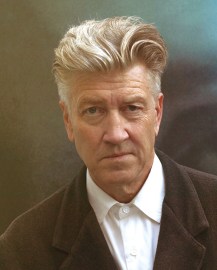
Enter iconic American filmmaker David Lynch, director of TV’s groundbreaking Twin Peaks, and feature films that include Eraserhead, Elephant Man, Blue Velvet, Mulholland Drive, The Straight Story, and most recently, Inland Empire. The United Kingdom’s highly reputed Guardian has dubbed Lynch “the most important film-maker of the current era,” but an illustrious career has not impeded his concern for the needy.

Mind you, many individuals and organizations have stepped forward in the troubled areas of our society. Much has been done, yet even more remains to be done. What is his modality of choice to help? Meditation, he declares, and specifically Transcendental Meditation, or TM, which is neither a religion nor a philosophy, and therefore requires no change of lifestyle.

Transcendental Meditation is a simple, easily learned technique, practiced for 20 minutes twice daily while sitting comfortably in a chair with eyes closed. This quiet time provides the mind and body with a unique state of “restful alertness” which allows stress and fatigue to be released in a natural way, resulting in better health, greater energy, more clarity of mind, and overall enhancement of the joy of life. It utilizes the natural tendency of the mind to go to a field of greater happiness, hence is basically effortless, differing thereby from all other meditation techniques, which invariably involve either concentration or contemplation, modalities that tend to keep the mind on the surface level of thought and so impede the transcending process.

John Hagelin, Ph.D., world-renowned quantum physicist (“What The Bleep Do We Know!?” and “The Secret”) and recipient of the coveted Kilby Award in physics, describes Transcendental Meditation as “a systematic means to turn the attention powerfully within, to experience and explore deeper levels of mind, quieter levels of human awareness, a state of rest for the body deeper than sleep, where deep-seated stress is dissolved, providing an effective prevention and treatment for stress-related illness.”

Over 600 scientific studies have been conducted on Transcendental Meditation at 250 medical schools and universities in over 30 countries to verify its wide range of benefits for the individual and society. Most notably, the U.S. National Institutes of Health, or NIH, funded in recent decades $26 million in grants to study the effects of TM practice on high blood pressure, atherosclerosis, obesity, and heart disease. Subjects for research have been readily available because the TM technique has now been taught to six million people in over 120 countries.

The timeless knowledge of TM derives from the Vedic heritage of India, the world’s oldest system of knowledge. Veda means truth, or knowledge, and this tradition provides knowledge about many areas of life. For example, Yoga comes from the Vedic tradition, as does Ayurveda, the world’s most ancient system of health care, and Sthapatya Veda, knowledge about building in accord with Natural Law. The knowledge of Transcendental Meditation was revived in our era by the revered sage Maharishi Mahesh Yogi, launched, in 1957, a worldwide movement to make it available on every continent. Maharishi first came to the United States in 1959, and on various occasions thereafter, to oversee the progress of the local TM movement.

Why did David Lynch take up the TM practice? Well, he just couldn’t think of anything better to do. Just kidding. Lynch not only writes, produces, and directs his own films, but also composes popular music, and paints stunning pictures that are exhibited in major art galleries. And oh, yes, crowning a plethora of other avocations, he recently opened his own nightclub in Paris.

As for Transcendental Meditation, his sister first brought it to his attention. “My sister called, and she had started TM,” he reminisces. “There was something in her voice—less stress and more happiness, a certain upbeat lilt. ‘I gotta have that,’ I said to myself. When I actually started, it was like boom, as if a cable had been cut and the elevator plunged right down into pure consciousness.

“I have been ‘diving within’ through the Transcendental Meditation technique for over 30 years now,” he continues. “It has changed my life, my world, allowing me to release stress that was causing fear and anxiety, opening the door to heightened creativity and bliss.”

“Not long ago, when I heard about the crippling levels of stress and violence in the lives of children today, about the need for armed guards to patrol school corridors, and about widespread use of prescription drugs with deleterious side effects, I became concerned about what this was doing to the health of these children and their ability to learn.”

“Discussing the matter with a friend, the thought came that in today’s turbulent world all school kids should have a class period to begin and end the school day where they can dive within and experience the field of silence, the transcendental level of life, which is an enormous reservoir of energy and intelligence within all of us.”

To help at-risk students, the director established the David Lynch Foundation for Consciousness-Based Education and World Peace—and promptly made hefty donations to give it a jump-start.

Since then the DLF has helped fund “Quiet Time” programs, which are always voluntary, around the world, teaching TM to over 250,000 children in the United States and Latin America, the Middle East, Europe, and Africa. The US schools can be found in more than a dozen states.

Progress was made in the financial area by a benefit concert given at New York’s Radio City Music Hall and featuring such renowned meditating artists as Beatles Sir Paul McCartney and Ringo Starr, legendary singer/songwriter Donovan, Mike Love of the Beach Boys, flute virtuoso Paul Horn, Sheryl Crow, Moby, Eddie Vedder, Ben Harper, Russell Simmons, co-founder of the pioneering hip-hop label Def Jam, and Jerry Seinfeld in a winning stand-up comic skit. Since a huge number of schools around the world remain on a waiting list for Quiet Time programs, plans are underway for future benefit concerts in different venues. Watch News conference Highlights from the day before the concert, and Watch Event Highlights, which include clips of David Lynch interviewing Paul, Ringo, Sheryl, Eddie, and excerpts from that amazing magical evening. Check here for other DLF featured past events.

Transcendental Meditation in Education

Dr. Sanford Nidich, professor of education and physiology at Maharishi University of Management, has been working with at-risk adolescents in U.S. schools and reports on a study conducted at the University of Connecticut involving 106 secondary school students from three public schools, primarily from lower-income, minority populations. “Meditating students,” he relates, showed significant reductions in anxiety, emotional problems, and hyperactivity, and improved overall mental health after an average of four months compared to controls.”

“Something must be done to help today’s youth deal with the enormous amount of stress in their lives,” says Dr. Robert Colbert, professor at the University of Connecticut and co-author of the study. “This study shows that something can help immediately—and it is easy to implement in any school setting.

Two more recent studies out last year, also funded by the David Lynch Foundation, showed TM improved standardized academic achievement and effectively lowered record stress levels in students.

The study, published in the journal Education, reported students who practiced the Transcendental Meditation program showed significant increases in math and English scale scores and performance level scores over a one-year period. Forty-one percent of the meditating students showed a gain of at least one performance level in math compared to 15.0% of the non-meditating controls.

The latest study published in the Journal of Instructional Psychology found the Transcendental Meditation technique significantly decreased psychological distress in at-risk racial and ethnic minority public school students by 36 percent over 4 months compared to controls. The study also found significant decreases in trait anxiety and depressive symptoms.

In the area of students with learning disabilities, one study, published in the 2009 issue of the peer-reviewed Current Issues in Education, followed a group of 10 middle-school students with ADHD who were practicing the Transcendental Meditation technique twice a day at school. After three months, researchers found over 50% reduction in stress and anxiety, and improvements in ADHD behavior regulation.

“The effect was much greater than we expected,” says Dr. Sarina Grosswald, Ed.D., a George Washington University-trained cognitive learning specialist and lead researcher on the study. “The children also showed improvements in attention, working memory, and organization.” The study was funded by grants from the Abramson Family Foundation and the David Lynch Foundation.

A follow-up study, also funded by the David Lynch Foundation, came out last year. This random-assignment controlled study conducted over a period of 6 months in an independent school for children with language-based learning disabilities in Washington, DC, found improved brain functioning, decreased symptoms of attention-deficit/hyperactivity disorder, (ADHD), and improved language-based skills among ADHD students practicing the Transcendental Meditation technique. The paper, ADHD, Brain Functioning, and Transcendental Meditation Practice, was published in Mind & Brain, The Journal of Psychiatry.

At the Ideal Academy Public Charter School in Washington, D.C., students from the 5th through 12th grades now practice the TM/Quiet Time program. “It changed the whole climate of the school, says principal Dr. George Rutherford, a highly regarded D.C. educator. “It was just beautiful. The academic achievement has gone up, and behavioral problems have gone down. I could never work in a school that doesn’t have the TM/Quiet Time program.”

One student at the Ideal Academy reports, “I notice I haven’t been mad for a while, since I learned TM. I used to get in fights and talk to people behind their back. And it helps me to not get distracted.”

A student at the Tucson, Arizona, Museum of Art School was struggling in math, but now says, “I’m doing really good in there, and my behavior’s been a lot better.” One of the students at the Kingsbury School in Washington, D.C., states that just two weeks after practicing TM twice a day the nightmares he was having stopped, allowing him to sleep much better and so avoid the fatigue that usually followed during the day.

“I have had the pleasure of meeting many students who are “diving within” and experiencing Consciousness-Based Education,” sums up DLF founder David Lynch. “These students are all unique individuals, very much themselves. They are amazing, self-sufficient, wide-awake, energetic, blissful, creative, powerfully intelligent and peaceful human beings. Meeting these students, for me, was the proof that Consciousness-Based Education is a profoundly good thing for our schools and for our world.”

Principal James Dierke agrees. The 2008 National Association of Secondary School Principals—National Middle School Principal of the Year, says, “Stress is the number one enemy of public education, especially in inner-city schools. It creates tension, violence, and compromises the cognitive and psychological capacity of students to learn and grow. The TM/Quiet Time program is the most powerful, effective program I have come across in my 39 years as a public school educator for addressing this problem. It is nourishing children and providing them an immensely valuable tool for life. It is saving lives.”

TM for Veterans: Operation Warrior Wellness

While the DLF’s work with at-risk children got into full gear, founder David Lynch was given the staggering statistics from the Veterans Administration showing that more soldiers are dying from the trauma of combat incurred in Iraq and Afghanistan than at the hands of enemy combatants. Over 500,000 veterans have been diagnosed with post-traumatic stress, or PTS, since 2001, with 18 veterans committing suicide each day.

To help meet this challenging situation, the David Lynch Foundation launched Operation Warrior Wellness, a national outreach to help 10,000 war veterans suffering from PTS by teaching them Transcendental Meditation. A December 2010 press conference and follow-up fund-raiser Gala Event at the Metropolitan Museum of Art in New York was supported by noted film directors Clint Eastwood and Martin Scorsese, fashion maven Donna Karan, pop music mogul Russell Simmons, and yet another Russell, versatile actor/comedian Russell Brand, plus “America’s Doctor,” Dr. Mehmet Oz.

A year later on December 2, 2011 the David Lynch Foundation launched Operation Warrior Wellness in Los Angeles with a global press conference at the Beverly Hills Hotel where David Lynch presented a check for one million dollars for Veterans to learn Transcendental Meditation. The 3rd Annual Change Begins Within Gala Event took place at the Los Angeles County Museum of Art.Ellen DeGeneres opened the evening and then turned the proceedings over to host Russell Brand. Photos can be seen on the David Lynch Foundation photo stream.

Combatants from past and present conflicts delivered testimonials of their devastating war experiences and told of how TM gave them a new lease on life. World War II pilot Jerry Yellin spoke eloquently of the toll that extensive bombing raids against Japan had on his nervous system so that for three decades after the end of the war he felt no satisfaction from anything he did. “At 51,” he recounted, “I took up TM and only then did I finally find peace.”

Vietnam vet Dan Burks gave a moving account of the mental scars he carried after a battle in which he killed Vietnamese soldiers and lost many of his own comrades. “PTS is a wound,” he concluded. “It takes your life away, just like losing a limb. But guess what? You can get rid of that wound. My life, after the discovery of Transcendental Meditation, was like the difference between heaven and hell.”

Finally, David George, 23, a former infantry soldier, told of the trauma he experienced not only in Iraq, but also on returning home, where long ago battles still raged deep within his system. “Happily,” he said, “I found TM and that cleared the air and I could tell where I was going. I felt this warm, groovy feeling. It just keeps getting better and better.”

Veterans with PTS showed a 50 percent reduction in their symptoms after just eight weeks of practicing the stress-reducing Transcendental Meditation technique, according to a pilot study published in June 2011 in the scientific journal Military Medicine. The study found that Transcendental Meditation produced significant reductions in stress and depression and marked improvements in relationships and overall quality of life.

The paper’s senior researcher, Norman Rosenthal, M.D., is clinical professor of psychiatry at Georgetown University Medical School and director of research at Capital Clinical Research Associates in Rockville, Maryland. “These young men were in extreme distress as a direct result of trauma suffered during combat,” he affirms, “and the simple and effortless Transcendental Meditation technique literally transformed their lives.”

The findings were similar to those from a randomly controlled study of Vietnam veterans conducted by researchers at the University of Colorado School of Medicine in 1985. In that study, published in the Journal of Counseling and Development, after three months of twice-daily TM practice, the veterans had fewer symptoms than those receiving conventional psychotherapy of the day. In fact, most of the TM-treated subjects required no further treatment.

“The soldiers are truly suffering,” affirms David Lynch. “No one knows what they’ve been through. No one knows what they’ve done, what they’ve experienced, what they’ve seen, and their lives in many cases are a true nightmare. That’s why we want to offer them Transcendental Meditation. It’s a beautiful thing for the human being. It’s a big stress-buster, and when these soldiers get this simple effortless technique, they’re going to get their lives back again. It’s not hocus-pocus. It’s going to save lives, and help not only the soldiers, but all the families who are suffering, and their friendships as well.”

For the already noted Operation Warrior Wellness benefit at New York’s Metropolitan Museum of Art, Clint Eastwood, best known for playing violent, hardened characters on-screen, sent a video in which he stated his strong support of Transcendental Meditation. “I’ve been using it for almost 40 years now,” he declared. “It’s a great tool to combat stress, especially considering the stress our men and women in the armed forces are going through. There’s enough studies out there that show TM is something that can benefit everybody.”

***************************************************

Norman Zierold is the author of a bevy of books on Hollywood, including The Child Stars, The Moguls, Garbo, and Sex Goddesses of the Silent Screen, as well as two true-crime stories—Little Charley Ross: The Story of America’s First Kidnapping for Ransom, and Three Sisters in Black, recipient of a Special Edgar Allan Poe Award from the Mystery Writers of America. He has also published articles in a plethora of magazines, ranging from New York Magazine, McCall’s, and Popular Mechanics to Good Housekeeping, Variety, and Reader’s Digest.

REFERENCES:

David Lynch Foundation http://www.davidlynchfoundation.org

Operation Warrior Wellness http://www.operationwarriorwellness.org

The Transcendental Meditation program http://tm.org

Ask the Doctors: Specialists answer your questions about TM and health http://askthedoctors.com

ADHD, the Mind and the TM technique http://www.adhd-tm.org

Maharishi University of Management http://www.mum.edu

If read in the UK, use this for The Transcendental Meditation Program: http://www.t-m.org.uk

****************************************

Related article by Norman Zierold: Embody: focus on TM: Iconic Filmmaker David Lynch has a viable solution to a pressing problem.

And enjoy this article about Norman: The Chronicle of Higher Education: Notes From Academe: The Spokesman Who Kept Calling.

Here is an excellent Huffington Post interview with David Lynch that came out two years later, Dec 9, 2014: Interview With David Lynch: His Mission to Change the World Through Meditation.
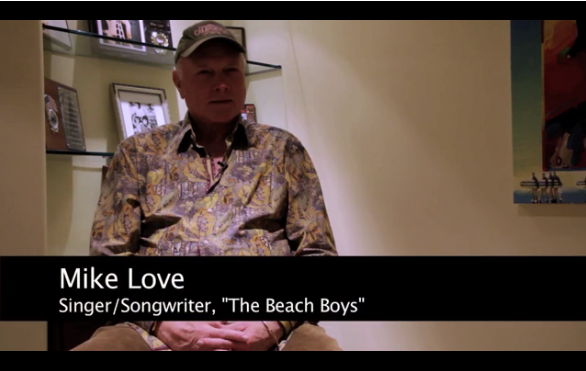
Mike Love of the Beach Boys on Stories of Success

May 31, 2012

Here’s a good Interview With Mike Love of the Beach Boys posted May 29, 2012 on Stories of Success. He discusses how the band was formed, his creative output as a singer/songwriter, their stages of success, the impact of drugs and alcohol on their lives and careers, and more.

At about the 9:55 mark, Mike is asked the question of what kept him from getting caught up in drugs and alcohol, and the responsibility he had of acting as a role model. He answers by talking about his TM practice, how he was personally instructed by Maharishi Mahesh Yogi and later invited to join The Beatles and Donovan in Rishikesh. He continued with a discussion on karma and the results of our actions, why people choose to abuse drink and drugs and how different people react, finding one’s dharma or what you’re meant to do and enjoy doing the most, and persevering to fulfill your chosen career path. The video is posted on Vimeo: http://vimeo.com/43009744.

See this great article, Mike Love, Not War, written by Virginia McEvilley for the Iowa Source when The Beach Boys came to Fairfield, Iowa for an outdoor Labor Day concert, sponsored by the David Lynch Foundation, on Monday, September 7, 2009.

Related stories: Beach Boys’ Mike Love recharges at The Raj, Beach Boy found life saving cure in Fairfield, Beach Boys concert ‘fun, fun, fun’ for all, Q & A with Mike Love, and Maharishi Mahesh Yogi on History International Channel (November 2007).

KTVO’s Kate Allt: From the earth to your plate; one university’s lesson in sustainable agriculture

May 25, 2012

From the earth to your plate; one university’s lesson in sustainable agriculture

By Kate Allt

Friday, May 25, 2012

Greenhouses at Maharishi University KTVO’s Kate Allt

FAIRFIELD, IOWA — The cafeteria at Maharishi University is like no other dining hall on any campus in the country. Every meal is vegetarian and organic, and many of the ingredients are grown right on campus by students and staff.

Ayurvedic food preparation, which pays particular attention to seasonal foods, is a growing trend and the roots of the movement are planted in the greenhouses at Maharishi University.

“This greenhouse has been here since 2004; we put it up,” said Steve McLaskey, Director of the Maharishi organic farm. “The university had been organic – the food service had been organic for quite a number of years before that and then in 2003, they decided to take the next step and grow as much of their own food as possible.”

Maharishi’s greenhouse is the first of its size to grow crops year-round in a cold climate. The students and staff who work with the plants have learned much more than identifying a cucumber from a zucchini.

“I get a lot of satisfaction out of growing good produce and providing it to the university,” McLaskey said. “We also sell at the Golden Dome market, the little market on campus, and at the farmer’s market, and I get a lot of comments from customers who appreciate the quality, the freshness.

“When we’re eating good food, then the action that happens from putting good things in is more directed and its more focused,” said Molly Haviland, a MUM student. “So it goes along with the principle of do less, accomplish more.”

James Gavin, a worker at the greenhouse, said he has learned so much from working at the greenhouse and it has improved his quality of life.

“This greenhouse is a real opportunity for all of us… and for the county, I think,” he said.

“I really encourage everyone to grow their own garden and to look up alternative methods of making sure everything is natural, no chemicals, and everything like that,” said student Sultan Salah. “So I would say the experience of working with fresh vegetables is probably the best experience.”

“We grow some of the tastiest vegetables there are,” said Edward Hipp, another greenhouse worker. “When its fresh off the plant, it doesn’t get much better than that.”

Then – fresh off the plant – the food goes to the Maharishi kitchens, where vegetarian, organic recipes and Ayurvedic methods are utilized.

“We’re trying to keep all the Ayurvedic guidelines in touch with the recipes so that it still tastes really good for everybody,” said Sharon Stinogel, Maharishi Executive Chef. “So it’s kind of a challenge, but it’s fun.”

“Since we’ve arrived here at Maharishi, we’ve shared the fact that organic and vegetarian is out there,” said Ken Zimmerman, food service director at Aladdin Food Management Services. “There’s a lot of our accounts that do offer organic vegetarian but not on a wide range like we do here in Fairfield.”

The cafeteria serves 800 to 1,000 people a day and after the meal, the leftover food is collected to be turned into compost, completing the cycle back to the earth.

1 comment:

Sharalyn Pliler · Maharishi University of Management

In my book, THE RELUCTANT VEGETARIAN, I make the point that it’s ever more important to eat organic than it is to be a vegetarian, but at the MUM cafeteria, where I love to go to eat, we can have it all. Good food, safe food, and good company. :-) I love MUM!

The 8.15 train to Nirvana: How you can meditate your stresses away… even on the daily commute

May 23, 2012
The 8.15 train to Nirvana: How you can meditate your stresses away… even on the daily commute

By Marianne Power
12 May 12, 2012

Last summer I bumped into an old colleague. We hadn’t seen each other for years and it transpired that in the previous 18 months, her mother had died of cancer, her father had moved in with her and she had been made redundant.

Yet she seemed remarkably calm. How on earth was she coping? After joking about the healing power of gin, she admitted her secret: she had learned how to meditate.

We have all read about the healing powers of meditation. Medical research has found that it can reduce the risk of everything from heart disease to strokes, depression and insomnia – but this was the first time I had seen its benefits up close.

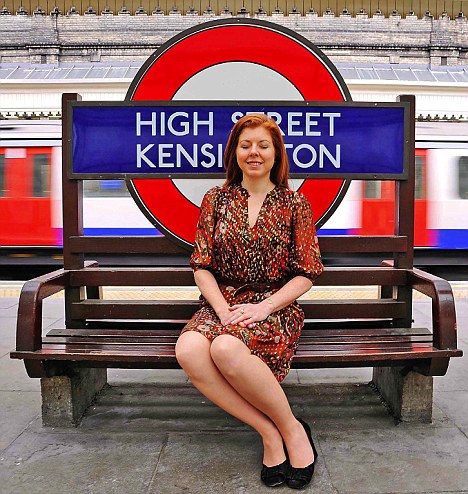
Down time: Marianne Power meditates as she waits for a Tube train in London

Soon I was meditating twice a day, too, even learning to fit it into train journeys to work or sneaking a few quiet minutes in a bathroom cubicle at the office.

Before I bumped into my colleague I was running on empty. By day I was stressed by silly things that made me snap at people.

By night I would try to unwind with too many hours of television and too many glasses of wine before lying awake in bed stewing over all my worries.

I was run-down, got every cold going and at my very lowest points was prescribed antidepressants. My friend recommended Transcendental Meditation, which is different from other forms of meditation.

Instead of focusing on your breathing, you are given a Sanskrit word, known as a mantra, that you repeat in your head. The idea is that the repetition of the sound calms your mind.

The practice was made famous by The Beatles, who became devotees after meeting its founder, Maharishi Mahesh Yogi, in the Sixties. Since then everyone from Clint Eastwood to William Hague and Nick Clegg has become a fan.

Latest research from Oxford University’s Department of Psychiatry has shown that meditation brings about neurological changes. After  a few months of meditation, the parts of the brain with a tendency to worry are switched off.

Clinical trials have proved that as a standalone treatment it can  prevent relapse of depression and is effective alongside medication.

But I was most interested in its effects in counteracting stress. And I can say that learning to meditate has changed my life.

At my first lesson I was given my mantra, which you don’t share with anyone, and told to close my eyes and repeat it again and again in my head. Straight away I was hooked.

There’s something about the sound vibration of the mantra going over and over in your mind that lulls you into a kind of trance. The repetition of the sound is like a lullaby.

You go into your own world and yet you are still aware of your surroundings. You’re neither awake, nor asleep, nor dreaming – just beautifully relaxed. It’s like a warm bath for your brain.

After that first lesson, I felt calm and focused and that night I enjoyed a longer, deeper sleep than I’ve had since I was a child. And I’ve been sleeping well ever since.

The more I meditate, the less I seem to be bothered by things. Situations that would once have sent me into a tailspin no longer have the same effect.

My heart doesn’t race in the way it once did; I have become more calm and rational; my concentration at work has also improved.

I think this is primarily because I am better rested and less stressed, but scans have shown that meditation actually increases the size of your hippocampus – the part of the brain associated with memory and learning. I also feel healthier.

I have had only one cold in the past seven months. And then there are the less tangible changes, the ones to your personality and relationships.

Friends have commented on the fact that I seem more relaxed. I  certainly feel more content, less inclined to snap or overreact.

So is this a miracle? Am I now the perfect person? Hardly. Like most of the good things in life, it takes work. Like going to the gym or eating well, you have to keep doing it even on days when you tell yourself you are too busy.

I meditate for 20 minutes morning and night. After breakfast, and then at 4pm – and on days when that’s not possible, on the train or in a taxi. Every little helps. It doesn’t matter whether I close my eyes for two minutes or 20, when I open them I feel better.

I have yet to experience the so-called ‘bliss’ that devotees talk about but I’m just so happy that I’ve found a tool that helps me perform well in the day and sleep better at night.

I wish I’d been taught this at school – it’s the best life skill I’ve ever learnt. But it’s not cheap.

When I turned up for the first open evening at my local TM centre (they’re all over the country), I was told that fees were charged according to income. I would have to  pay £490.

But I did it – and it was the best money I’ve ever spent.

uk.tm.org

Published by Associated Newspapers Ltd, part of the Daily Mail, The Mail on Sunday & Metro Media Group. Also published in Independent Online: The 8.15 train to Nirvana.

Here is a related article, The Power of Transcendental Meditation, by Julie Eagleton, another British journalist who also learned to meditate and wrote about it. Julie has covered arts & culture, fashion, food, health & beauty and travel. Find out more at http://www.julieeagleton.com.

Also see this article by Julie: Meditation Creativity Peace: A Documentary of David Lynch’s 16 Country Tour.

South Asian Heart Center uses Transcendental Meditation to prevent and manage heart disease

May 12, 2012

South Asians are becoming painfully aware of the high incidence of heart attacks, often fatal, frequently among seemingly healthy, trim, and physically active close family & friends.

The South Asian Heart Center (SAHC) at El Camino Hospital in Mountain View, California has developed a four-pronged approach to prevent and successfully manage heart disease among men and women of South Asian descent living and working in America. Here is an introduction to their work presented by Executive Director Ashish Mathur, and SAHC Medical Director Cesar Molina, MD, FACC: South Asian Heart Center Helps South Asians Fight Heart Disease.

In this fourth of a four-part series on Therapeutic Lifestyle Changes Dr. Molina focuses on the importance of deep rest and its effect on heart-health and diabetes. He specifically covers the importance of meditation (or restful alertness) on longevity and health, and the science behind the effective technique of Transcendental Meditation (TM), which produces a “hypo-metabolic state of restful alertness.” Learn the evidence on the profound impact of this unique form of meditation on a whole class of chronic ailments. This is a very clear and comprehensive presentation!

South Asian Heart Center Webinar: TLC – Restful Sleep & Restful Alertness April 25, 2012, published on Apr 26, 2012 by sahcsathi.

At 26:26 of Part 4, Dr. César Molina begins talking about resting while awake with Transcendental Meditation and how it impacts our health, especially for South Asians and their propensity toward heart disease. One of the therapeutic modalities from the South Asian Heart Center is Transcendental Meditation as a stress-reduction technique. Dr. Molina reviews his talk starting at 56:18. He summarizes the lifestyle methodology to prevent heart disease and enhance longevity at the South Asian Heart Center: nutrition, physical activity, the importance of restful sleep, and the importance and benefit for stress reduction through Transcendental Meditation decreasing cardiovascular risk factors, decreasing hospital expenditures and admissions, and enhancing longevity.

Dr. César Molina presents Wednesday Lunch-hour Webinar Series TLC: Therapeutic Lifestyle Changes. Here are the 4 topics where you can download the video and a PDF of the main points and graphs for each talk. The recommendations can be applied to all Americans regardless of ethnicity or geographical location.

1. TLC: Therapeutic Lifestyle Changes Overview: May 2, noon
2. TLC: Exercise as Medicine: May 9, noon
3. TLC: The Dinner vs. the Diner: May 30, noon
4. TLC: Restful Sleep and Restful Alertness: June 20, noon

For more information: www.southasianheartcenter.org and www.tm.org.

Washington Post: VA testing whether meditation can help treat PTSD

May 4, 2012
 

VA testing whether meditation can help treat PTSD

By Steve Vogel, Published: May 3

Seeking new ways to treat post-traumatic stress, the Department of Veterans Affairs is studying the use of transcendental meditation to help returning veterans of Iraq and Afghanistan.

Veterans Affairs’ $5.9 billion system for mental-health care is under sharp criticism, particularly after the release of an inspector general’s report last month that found that the department has greatly overstated how quickly it treats veterans seeking mental-health care.

VA has a “huge investment” in mental-health care but is seeking alternatives to conventional psychiatric treatment, said W. Scott Gould, deputy secretary of veterans affairs.

“The reality is, not all individuals we see are treatable by the techniques we use,” Gould said at a summit Thursday in Washington on the use of TM to treat post-traumatic stress suffered by veterans and active-duty service members.

By some estimates, 10 percent of veterans returning from Iraq and Afghanistan show effects of post-traumatic stress disorder, numbers that are overwhelming the department

“Conventional approaches fall woefully short of the mark, so we clearly need a new approach,” said Norman Rosenthal, a clinical professor of psychiatry at Georgetown University’s medical school.

Rosenthal told the gathering that TM, a meditative practice that advocates say helps manage stress and depression, is “possibly even a game-changer” in how to treat PTSD.

VA is spending about $5 million on a dozen clinical trials and demonstration studies of three meditation techniques involving several hundred veterans from a range of conflicts, including Iraq and Afghanistan. Results from the studies will not be available for 12 to 18 more months.

But Gould said he was “encouraged” by the results of other trials presented at the summit.

Two independent pilot studies of Iraq and Afghanistan veterans showed a 50 percent reduction in symptoms of post-traumatic stress after eight weeks, according to the summit’s sponsor, the David Lynch Foundation, a charitable organization founded by the American filmmaker and television director.

Results from the initial phase of a long-term trial investigating the effects of TM on 60 cadets at Norwich University, a private military college in Vermont, have shown promise, school officials said at the summit.

Students practising TM at Norwich showed measurable improvement in the areas of resilience, constructive thinking and discipline over a control group not using the method. “The statistical effect we found in only two months was surprisingly large,” Carole Bandy, an associate professor of psychology who is directing the Norwich study, said at the summit.

“For us, it’s all about the evidence,” said Norwich President Richard W. Schneider, who added that he was a skeptic before the trial began.

Operation Warrior Wellness, an initiative of the David Lynch Foundation, is providing TM training to troops recovering from wounds at Joint Base Lewis-McChord in Washington state. Soldiers report “dramatic improvements” in sleep, according to the foundation, as well as significant reductions in pain, stress and the use of prescription medications.

Lynch, the director of “Blue Velvet,” “Mulholland Drive” and the television series “Twin Peaks,” is a longtime practitioner of TM.

“The VA is very interested in what this can do,” Lynch said in a telephone interview Thursday. He acknowledged that many in the military are wary of transcendental meditation, with its New Age and mystic connotations.

“Big-time,” Lynch said. “They’re skeptical until they start hearing stories, or experiencing it for themselves.”

Related articles: Washington Post: Does Transcendental Meditation help veterans with PTSD? | POLITICO: Coping with PTSD | Norwich University President Receives “Resilient Warrior Award” at National Veterans Summit in Washington, DC | Huffington Post: David Lynch Brings Transcendental Meditation To D.C.

Norwich University President Receives “Resilient Warrior Award” at National Veterans Summit in Washington, DC

May 4, 2012

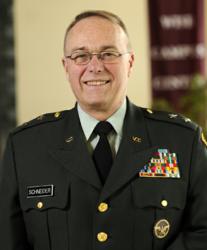
Norwich University President was honored with the “Resilient Warrior Award” during a National Veterans Summit in Washington, DC for his leadership in exploring the use of Transcendental Meditation in building resilient warriors

“The disturbing prevalence of PTSD among returning troops underlines the need for more effective resilience training among our cadets.” — Norwich University President Richard W. Schneider, RADM USCGR (Ret.)

Washington, DC (PRWEB) May 03, 2012

Dr. Richard W. Schneider, RADM USCGR (Ret.), the 23rd President of Norwich University in Northfield, Vt., received the inaugural “Resilient Warrior Award” for 2012 during a national summit on “Resilience, the Brain and Meditation,” held on Thursday, May 3, at the Army and Navy Club in Washington D.C.

The award was presented to President Schneider by veterans of four wars who direct Operation Warrior Wellness, a division of the David Lynch Foundation 501(c)(3) nonprofit organization, which has provided Transcendental Meditation (TM) scholarships for more than 250,000 at-risk youth and veterans and their families who suffer from post traumatic stress disorder (PTSD).

The award cites Schneider for “leading and training a new generation of resilient warriors who will safeguard America and secure the peace with honor and integrity.”

Under Schneider’s leadership, Norwich University recently completed the initial phase of a long-term, longitudinal, randomized controlled trial with 60 cadets, investigating the effects of TM on psychological distress and resilience. Key results of the first nine-week period included reduced perceived stress, improved constructive thinking, decreased state anxiety, increased behavioral coping, reduced depression and improved dispositional resilience.

“Norwich is proud to be in partnership with the David Lynch Foundation and the Educational Foundation of America for providing the resources for this wonderful effort,” Schneider said.

“The disturbing prevalence of PTSD among returning troops underlines the need for more effective resilience training among our cadets. Based on existing data and preliminary results of ongoing trials at Norwich, I believe the Transcendental Meditation technique represents an essential tool to promote resilience in cadets.”

Ed Schloeman, CMS (Ret.), national co-chair of Operation Warrior Wellness, praised President Schneider for “equipping his cadets with the most important of tools—one that will help them overcome stress and promote resilience throughout their life in the military—throughout their life. He is a great educator, a wise man, and a true leader.”

After receiving the news of the award, Schneider said: “I am honored to accept this award on behalf of all those who have worked so hard on this project to experiment with providing our future soldiers, sailors, and airmen the tools necessary to become more resilient, even better warriors, and better human beings.”

Other speakers at the Summit included W. Scott Gould, the US Deputy Secretary of the Veterans Administration, and Norman Rosenthal, M.D., clinical professor of psychiatry, Georgetown University Medical School and author of a breakthrough research study, which found a 50% reduction in the symptoms of PTSD among veterans who practice TM.

Reported in newstimes.com. Related articles: Washington Post: Does Transcendental Meditation help veterans with PTSD? | POLITICO: Coping with PTSD | Washington Post: VA testing whether meditation can help treat PTSD |