Archive for the ‘Health’ Category

Maharishi University featured in ALT magazine

April 24, 2013

Journalism students from Grandview University in Des Moines, Iowa came to Maharishi University of Management in Fairfield, Iowa to find out what we were all about. The result of that visit is this article, MAHARISHI, which can be found in Volume 7 of ALT Magazine. You can see it online, pages 25-26/33, http://altmagonline.com/Maharishi, and can download a PDF to see the layout as it appears in print on pages 46-49, http://altmagonline.com/wp-content/uploads/2013/04/ALTVol7.pdf.

IMG_1157

Google describes Transcendental Meditation as “A technique for detaching oneself from anxiety and promoting harmony and self-realization by meditation and repetition of a mantra.”

In a Southeastern Iowa town, TM, or Transcendental Meditation®, is the method the Maharishi community eats, sleeps and breathes.

Maharishi Mahesh Yogi developed the TM technique that the students of the Maharishi University of Management, a liberal arts school (M.U.M.), use everyday to decompress and get away from the stresses of college and everyday life.

STUDENT PERSPECTIVES

Hannelore Clemenson, a 32-year-old student from Des Moines and single mother, has been a student for two years at MUM and practices TM daily.

Clemenson found Fairfield and TM by word of mouth. Her dance teacher suggested going to MUM and when she thought her son was missing out on “small town life” she made the trip to Fairfield and hasn’t left.

Clemenson said, “I came across this school ten years ago and it was always a possibility and something definitely different from all the other schools I had been to before. If I was going to go back to school with my son it was going to have to be a special place.”

The soft-spoken Clemenson said MUM provides students with a Consciousness-Based℠ education that helps get rid of fatigue and stress and keeps students awake in class. M.U.M. uses block scheduling, which means they have only one class a month and attend six days a week.
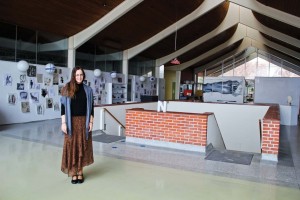
IMG_1110-300x200Clemenson said the classes are very hands on, which allows her to pursue music depending on which class she has that particular month. With the block scheduling, students take one class for an entire month, allowing them to do more in-depth projects.

Class is only part of the MUM college experience. Clemenson, along with the rest of the M.U.M. students, are required to take a six-week course that introduces the students to Maharishi’s knowledge. In the second week, students are taught how to meditate and learn the proper technique of meditation. Students are required to meditate for 20 minutes before coming to their morning class, and after their morning class is completed they do a ten-minute meditation, which Clemenson said is very helpful.

“That’s really benefited me, even though it’s not a full meditation. I have a lot of stomach problems, so when I started meditating before I went to eat it helped soothe me,” Clemenson said.

When the afternoon classes end around 2:45 p.m., students take a break and attend their second full meditation together.

Clemenson said, “It’s a really nice way to unwind and shake your eyes from the computer screen. It’s just 20 minutes, twice a day, it’s the most incredible thing. I’ve noticed it’s changed me little by little. All these things have improved; the way I operate, the way I think and react to things, it’s just happened and I’m grateful everyday that I do this.”

Clemenson said, “Learning TM was the best thing that’s happened to me; it’s sweet to have that be a part of everybody’s life.”

AHEAD OF ITS TIME

IMG_1143Have you ever been in a building that creates more energy then it uses? Or in a building that is held up by tree logs and made entirely of Earth blocks? It’s unlikely because many of us haven’t been to Fairfield, Iowa to visit Lawrence Gamble and his Sustainable Living Center.

The Sustainable Living Center on the Maharishi campus is a classroom, a workshop and an office building, all while not leaving behind a carbon footprint.

On a sunny day, the center will generate ten or twenty times more power than what is actually used and on an annual basis, the building produces 30% more than what they use, for not only electricity, but for heating and cooling as well. The building has produced 3,000 more kilowatts than what it’s used.

The building is one of a kind, made entirely of earth blocks that were formed by former M.U.M. students and large tree logs that support the building. Everything in the building is all-natural.

The paint that goes on these earth blocks is made of sand, chopped straw and cow manure which helps everything stick together. The building is heated by a flow of water running throughout the entire center and is lit only by strategically placed windows. In classrooms, the desks that students sit in are hand-made from wood.

MISTER GREEN

Gamble, the Curriculum Director for the Department of Sustainable Living, said, “A large percentage of energy in a building like this is for lighting, and there are environmental consequences for building solar panels and wind generators, so we want to use that energy really wisely.”

Gamble continued by saying the classrooms stay lit by, “Putting the windows in the right places.” The building has taller windows that allow more light to enter and the main corridor is designed to let light in.

Gamble said, “In our program, what we are designed to do is give students the skills to be successful in a world that doesn’t exist yet. We are giving them a way of looking at the world with a new set of eyes, and we are trying to give them a broad perspective.”

Sustainable Living Programs are comparable to environmental science classes, and the area that M.U.M. and Gamble decided to focus on was environmental problem solving.

“We rolled our sleeves up and got right to work asking ourselves what are the practical things we can start doing now,” Gamble said. “The development of consciousness, which is kind of the central unique feature of M.U.M., is essential to this whole process.”

Another feature to the Sustainable Living Center is the Greenhouse or student lounge. The windows in the Greenhouse face south and this is one of the main ways the building is heated. Solar panels sit on top of the Greenhouse and provide shade in the summertime. With the sun’s position in the summer, the panels shade the windows so that the building does not get unnecessary heat, keeping the building cool.

Gamble said, “We like to do a lot of project based learning. I’ve taken kids to an island off the coast of Alaska.”

He said that him as well as a group of students over a period of years, helped setup solar powered energy in an Alaskan Village.

The students that worked on that project learned how to install solar panels and when they returned they started their own company. Last year, they sold a million dollars worth of solar panels.

Gamble, as well as every other professor at M.U.M. believes TM is essential for a student to fully maximize their potential in the classroom.

Gamble said, “Transcendental Meditation has such a simple way of allowing your mind to settle down, get deep rest and have that experience of being inside you that everything in nature is connected. Then when you come out of that meditation and you study sustainable living, you are intellectually exploring how everything is connected.”

MEDITATION BENEFITS

Transcendental Meditation, TM, benefits more than studying habits. According to tm.org, the techniques help develop the brain and increase creativity and intelligence while improving decision making and problem solving skills.

THE BRAIN OF TM

Dr. Fred Travis, Director for the Center of Brain, Consciousness and Cognition at M.U.M. studies the brain to understand consciousness.

Travis said, “The brain is the interface between us and the world. The brain is a way that allows us to actually see the world and interact with the world.”

Travis, who taught at Iowa Wesleyan College in Mount Pleasant, Iowa, said M.U.M. is different from other places he’s taught at.

“It’s quite unlike any other place,” Travis said. “The students don’t have their heads on the table, they keep you on your toes with very challenging questions.”

Travis said that when the brain is stressed and tired, it doesn’t allow you to take in as much information as it would if you were rested and aware. By adding TM it opens the student’s mind and brain to an entirely new way of thinking.

Travis observed that stress takes frontal executive circuits off line and so keeps students from being able to see larger implications of what they are learning.  He noticed that the students he taught at Iowa Wesleyan were are able to follow the lecture, but he couldn’t tell them everything that he knew.

“What you would be giving them is very much superficial, facts and how the facts relate,” Travis said. “The more fundamental ideas of underlying principles and how this relates to the meaning of life and how it relates to the environment, you can’t go into that because they don’t have the framework to take it in.”

Travis believes that the scheduling at M.U.M. plays a major role in how the students succeed in the classroom.

“At M.U.M., students take one class at a time. Instead of juggling two or three courses at once, you can focus on one subject,” Travis said. “The part of your brain used when you focus is the memory center. The part of the brain during multitasking is that part of your brain that has to do with sequencing.”

Travis said, “TM practice adds another engine to learning. Learning requires localized areas of the brain to function. In contrast, TM practice is a process of transcending and the brain is restful and alert as suggested by global alpha brain coherence.”

With regular TM practice, these brain changes are seen during a person’s daily activity after meditation practice. This gives a new platform to see the world. You are more awake, and more alert.

Writers Joey Aguirre & Stephanie Ivankovich Designer Allie McFayden Photographer Stephanie Ivankovich

I asked Fred Travis to revise his quotes to appear closer to what he said. – Ken Chawkin

1. Dining Hall 2. Argiro Lobby Flags 3. SLC Tree Posts 4. SLC Earth Blocks 5. Veda Bhavan:CBCC

See this article from Drake University journalism honor students: Students find their centers at Maharishi.

Celebs who meditate featured in The Daily Beast

April 24, 2013

This article on Transcendental Meditation was one of the rotating stories on The Daily Beast today, April 23, 2013. It was the 9th top story of rotating images in the big box on the upper left corner of the home page. The article appeared as a result of Rupert Murdoch learning to meditate last weekend. It was supposed to be private, but he tweeted about it and drew media attention. Click on the links below to see photos and descriptions of the 14 featured meditating celebs.

Celebs who meditate -The Daily Beast

Celebs Who Meditate – The Daily Beast – Invision/AP; WireImage

Oprah & More Stars Who Do Transcendental Meditation

The Daily BeastTranscendental Meditation has made its rounds with celebrities as far back as when the Beatles were a unit, but is once again creeping up as the latest trend among celebrities. Rupert Murdoch recently tweeted on his indoctrination into the mantra meditation movement, Oprah Winfrey devoted an entire show to it, and David Lynch even launched a nonprofit foundation for the practice.

The technique was established in India by Maharishi Mahesh Yogi in the 1950s and has spread worldwide since, used as a means to relieve stress and build personal development. The practice involves twice-a-day, 15- to 20-minute meditations, and courses are taught by certified instructors for a fee. See which other stars are endorsing the practice and taking time for some inner peace!

Read celebrity descriptions and view all (15) photos in fullscreen. Most of these celebrities, in order of appearance, practice and/or are connected with TM in some way: Rupert Murdoch, David Lynch, Russell Brand, Shirley MacLaine, Sheryl Crow, Paul McCartney, Oprah Winfrey, Moby, Katy Perry, Howard Stern, Hugh Jackman, George Lucas, Clint Eastwood, and Candy Crowley.

Read a related article: 14 Executives Who Swear By Meditation–10 do TM.

Also see Why CEOs, actors, and pop stars love Transcendental Meditation | Well+Good NYC and What do Stephen Collins, Ellen DeGeneres, Russell Brand, Russell Simmons, David Lynch and Oprah have in common? and The New York Times: Look Who’s Meditating Now.

Maharishi University conference focuses on health: Pam Peeke speaks on food addictions

April 19, 2013

Maharishi University conference focuses on health (audio)

April 19, 2013 By
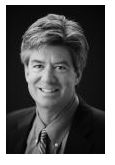
Pam Peeke

Dr. Pamela Peeke

A conference in southeast Iowa on Saturday promises to address recent discoveries and solutions “to help enhance individual life and change the world.

Physician, scientist and best-selling author, Dr. Pamela Peeke  will address America’s addiction to food, which she says is a rampant national epidemic.

Dr. Peeke, the chief medical correspondent for nutrition and fitness for Discovery Health TV, says a new study from the National Institutes of Health proclaims food addiction a reality.

“This is groundbreaking,” Peeke says. “This is a milestone. This affects everything from public health to what goes on in your pantry. This changes up the whole discussion about what we eat and what it does to us. It even changes our genes. It causes organic changes in our brain.”

In some ways, food addiction may be harder to beat than drugs, she says, since drug addicts don’t emerge from rehab to see billboards urging them to take more drugs. We’re surrounded by temptations to eat in all forms of media, she says, which makes it difficult to kick a food addiction.

“The mass majority of people who are overweight or obese are food addicted to one degree or the other,” Peeke says. “The people who are in the worst shape are the ones who have cross-addictions, more than one addiction. They’re a smoker, they may have some alcohol issues, drugs, whatever else. It’s almost un-American not to be food addicted.”

Dr. Peeke says being food-addicted is as severe as any other addiction. “Once you find out you’re either teetering on the brink of or you really have an all-out situation with a food addiction, then you need to do what you do for any addiction, detox and recovery.”

Her talk is called, “Your Brain’s Reward Center: Hacked by a Cupcake,” and she’ll talk about the neurological basis of food addictions. Peeke is among eight speakers headlining the day-long conference called “Our Conscious Future” at Maharishi University of Management in Fairfield.

Download and listen to Matt Kelley’s interview with Pamela Peeke  4:55.

Please check the website and register online for Free Online Streaming Option. Now available: Our Conscious Future Schedule of Presentations.

Related news: Our Conscious Future: Leading Visionaries Offer TED-Style Talks at Maharishi University April 20 and Dr. Pamela Peeke to speak at Maharishi University visionary conference event

Related articles by Linda Egenes for Enlightenment: The Transcendental Meditation® Magazine:

How the TM Technique Can Help Stop Food Addiction: An Interview with Dr. Pam Peeke

Saving the Disposable Ones: TM Practice Offers a New Life to the Street Children of Colombia

Dr. Pamela Peeke to speak at Maharishi University visionary conference event

April 19, 2013

Pamela Peeke speaking at visionary conference event

Apr 17, 2013

The Institute of Science, Technology & Public Policy at Maharishi University of Management will present “Our Conscious Future Visionary Conference Event” Saturday on the campus.

The event will be 1-4:30 p.m. and 7:45-9:30 p.m. in the Argiro Student Center’s Dalby Hall.

Eight thought leaders and innovators will converge on campus to present TED-style talks on what it means to be fully human in the 21st century. Each presenter will explore different facets of mind, body, society and consciousness that are emerging to create new paradigms for  humankind that can potentially enrich individual life and change the world.

One of the featured speakers will be Pamela Peeke, an internationally renowned physician, scientist and expert in the fields of nutrition, stress and fitness who explores the neurological basis of food addiction. Her presentation will be “Your Brain’s Reward Center: Hacked By a Cupcake.”

As the lifestyle expert for WebMD’s 90 million members, host of “Could You Survive?,” chief medical correspondent for nutrition and fitness for Discovery Health TV, and the founder of the Peeke Performance Center for Healthy Living, the “doc who walks the talk” lives the message she teaches.

If Peeke’s “edutaining” wit and wisdom as one of the most requested physician speakers in America isn’t enough, she has taken active inspiration through other mediums. Triathlete, marathoner and mountain climber, Peeke also is a New York Times bestselling author; regular  in-studio medical commentator for CNN, the “Today” show, “Good Morning America,” Fox and “Nightline;” and columnist/contributing editor for numerous national magazines and online communities.

Michael Sternfeld is the visionary conference event producer.

The Chamber Singers of Southeast Iowa and M.U.M.’s International Ensemble will perform.

For information and registration, go to www.mum.edu/our-conscious-future.

Also listed in the Fairfield Calendar of events.

Published with permission from The Fairfield Ledger.

Please check the website and register online for Free Online Streaming Option. Now available: Our Conscious Future Schedule of Presentations.

See related news:

Our Conscious Future: Leading Visionaries Offer TED-Style Talks at Maharishi University April 20

Maharishi University conference focuses on health: Pam Peeke speaks on food addictions

Related articles by Linda Egenes for Enlightenment: The Transcendental Meditation® Magazine:

How the TM Technique Can Help Stop Food Addiction: An Interview with Dr. Pam Peeke

Saving the Disposable Ones: TM Practice Offers a New Life to the Street Children of Colombia

Our Conscious Future: Leading Visionaries Offer TED-Style Talks at Maharishi University April 20

April 19, 2013

Fairfield, Iowa (PRWEB) April 18, 2013

The Institute of Science, Technology and Public Policy at Maharishi University of Management presents a visionary conference event titled, Our Conscious Future.

On Saturday, April 20th, eight remarkable thought leaders and innovators will converge on the MUM campus to present TED-style talks that will go right to the heart of what it means to be fully human in the 21st century.

Each speaker will explore different facets of mind, body, society and consciousness and present the most recent discoveries and solutions to help enhance individual life and change the world. These ideas are emerging to create new paradigms for humankind—paradigms that can potentially enrich individual life and change the world.

The short presentations, featuring world-class speakers and local luminaries, will be in the style of the intellectually stimulating TED Talks that are popular on the Internet.

Featured speakers and their topics include:

Dr. Pamela Peeke, internationally-renowned physician, scientist, “medutainer” and expert in the fields of nutrition, stress, and fitness explores the neurological basis of food addiction: Your Brain’s Reward Center: Hacked By a Cupcake.

Father Gabriel Mejia, a renowned humanitarian who has rescued over 100,000 children off the streets of Columbia, restoring their rights and dignity, offering them a brighter future: Love and Transcendence: The Secrets of Lasting Rehabilitation.

Thomas McCabe, mathematician, entrepreneur, author and software pioneer, who has shifted his focus from an exploration of how algorithms think to the math of how we think: Inner Genius, Empathy & the Math of Your Mind.

John Hagelin, world-renowned quantum physicist and peace proponent has forged a connection between quantum mechanics, our inner experience, and lasting peace: Higher States: Harnessing the Power of Consciousness to Fulfill Your Desires and Change the World.

Robert Keith Wallace: from his breakthrough discovery of a fourth major state of consciousness to recent developments in the brain signatures of high-performance individuals, this ground-breaking scientist continues to expand our vision of human potential. Dr. Wallace will present The Neurophysiology of Peak Performance, with neuroscientist Fred Travis who has published papers on this topic.

Lonnie Gamble: with the mind of an engineer, the dedication of an educator and the heart of a community activist, this sustainability bioneer has blazed a visionary trail in the sustainability movement: The Sustainability Revolution & the Transformation of Humankind.

Prudence Farrow Bruns, Sanskrit scholar and film producer, the meditative muse for the Beatles’ “Dear Prudence” offers her personal insights on the evolution of yoga in the West, beginning with her seminal time in India with Maharishi and the Beatles: The “Dear Prudence” Story.

Special Music Performances by the Chamber Singers of Southeast Iowa, MUM’s International Ensemble, and more. Additional Speakers to be Announced.

Saturday, April 20 • 1:00-4:30 & 7:45-9:30 pm • Dalby Hall • Argiro Student Center • MUM campus • Register Now • Space is Limited

For information and to register, see http://www.mum.edu/our-conscious-future

Admission is $25 general, $15 for staff, faculty, and IAA, and $10 for MUM students.

Please check the website and register online for Free Online Streaming Option. Now available: Our Conscious Future Schedule of Presentations.

Founded in 1971, Maharishi University of Management (MUM) offers Consciousness-Based℠ Education, a traditional academic curriculum enhanced with self-development programs like the Transcendental Meditation® technique. Students are encouraged to follow a more sustainable routine of study, socializing and rest without the typical college burnout. All aspects of campus life nourish the body and mind, including organic vegetarian meals served fresh daily. Located in Fairfield, Iowa, MUM is accredited by The Higher Learning Commission and offers bachelor’s, master’s, and doctoral degrees in the arts, sciences, humanities, and business. Visitors Weekends are held throughout the year. For more information, call the Admissions Office at 800-369-6480 or visit http://www.mum.edu.

Related news in The Fairfield Ledger and Radio Iowa:

Dr. Pamela Peeke to speak at Maharishi University visionary conference event

Maharishi University conference focuses on health: Pam Peeke speaks on food addictions

Related articles by Linda Egenes for Enlightenment: The Transcendental Meditation® Magazine:

How the TM Technique Can Help Stop Food Addiction: An Interview with Dr. Pam Peeke

Saving the Disposable Ones: TM Practice Offers a New Life to the Street Children of Colombia

Replays available on Livestream:

Part one starts @10:00: http://new.livestream.com/mum/events/2039710/videos/16900526
Part two starts @28:00: http://new.livestream.com/mum/events/2039710/videos/16941492

MUM Achievements reported on the event: MUM Hosts Conference on Consciousness 

UPDATED

See Our Conscious Future Highlights here. Visit the Consciousness Talks Archive to see these and other inspiring presentations.

Save

New study shows Transcendental Meditation significantly reduces PTS in African refugees

April 11, 2013

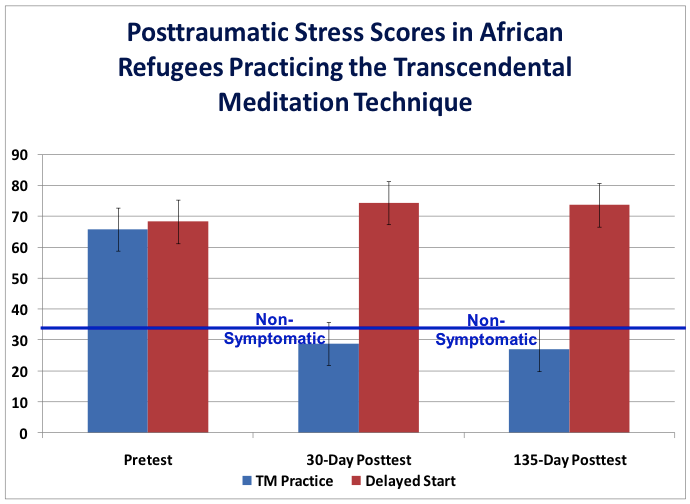
African war refugees practicing Transcendental Meditation®, a simple and effective stress-reducing meditation technique, experienced immediate and dramatic reductions in severe posttraumatic stress symptoms to a non-symptomatic level in just 30 days, according to a new study published this week in the April 2013 issue of the Journal of Traumatic Stress (Volume 26, Issue 2, pp. 295-298.)

A significant percentage of veterans are returning home from wars exhibiting symptoms of posttraumatic stress (PTS). It is now recognized as a serious health problem that can trigger suicidal tendencies. But what about the victims of such violence? Homeless refugees live with the constant reminder of what war has done to their lives and those of their families.

While studies have shown the Transcendental Meditation (TM®) technique to effectively lower posttraumatic stress in veterans of Vietnam and Iraq/Afghanistan wars, this is the first (randomized/matched) study to look at PTS in African war refugees. It measured the severity of posttraumatic stress symptoms before and after learning the TM technique, and the reductions were immediate and dramatic.

PTS Scores Graph

The Post-Traumatic Stress Disorder Checklist scores in the TM group went from high PTS symptoms at baseline to a non-symptomatic level after 30-days TM practice, and remained low at 135-days, while scores in the control group trended upward from baseline to the two posttests.

For more study details and comments by the surprised researchers, click the EurekAlert! press release, graph and video with descriptions, and a PDF of the published JTS TM-PTS Study.

The study was funded by the David Lynch Foundation.

In the past 20 years, 18 African nations have been ravaged by war. Tens of millions of Africans have been victims of violence or witnessed horrific acts of terror—and now suffer from post-traumatic stress. The DLF Africa PTSD Relief Project was set up to raise funds to teach the TM program to many more African refugees. Here is a short documentary with actor, director Bill Duke, Ambassador for African PTSD Relief. Please visit http://www.davidlynchfoundation.org/africa to learn more.

The news was reported on MedicalXpress.com: Transcendental Meditation significantly reduces posttraumatic stress in African refugees, and linked to it from many other websites. Also by News-Medical.net: Study: Transcendental meditation reduces posttraumatic stress in African refugees. And Medical News Today: Posttraumatic Stress Significantly Reduced By Transcendental Meditation. Psychiatric Annals/Helio: Meditation reduced posttraumatic stress symptoms in African refugees.

Here is an excellent comprehensive report with quotes from Russell Simmons, and David Lynch about the study posted on People of Shambala: Transcendental Meditation significantly reduces post-traumatic stress for Congolese refugees: study. Google posted this excellent article by AFP: Filmmaker David Lynch touts meditation for PTSD.

More on Global Good News: Transcendental Meditation significantly reduces posttraumatic stress in African refugees, and  Johannesburg Transcendental Meditation Center: Post Traumatic Stress help for African Refugees.

See the Second study to show Transcendental Meditation reduces PTSD in African Refugees—in just 10 days.

Russell Brand and David Lynch at LA Premiere of ‘Meditation, Creativity, Peace’ Documentary

April 5, 2013
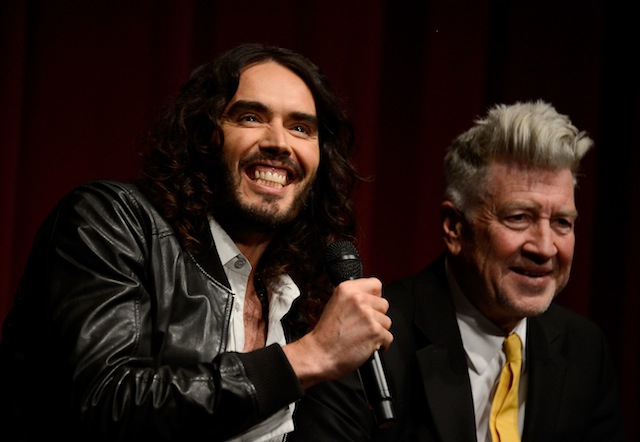
Comedian Russell Brand and Founder/Director David Lynch speak during the 'Meditation In Education' Global Outreach Campaign at The Billy Wilder Theater at the Hammer Museum on April 2, 2013 in Los Angeles, California. (Photo by Frazer Harrison/Getty Images)

Comedian Russell Brand and Founder/Director David Lynch speak during the ‘Meditation In Education’ Global Outreach Campaign at The Billy Wilder Theater at the Hammer Museum on April 2, 2013 in Los Angeles, California. (Photo by Frazer Harrison/Getty Images)

David Lynch and Russell Brand joined forces to help bring Transcendental Meditation to 1,000,000 at-risk youth at the U.S. premiere of ‘Meditation, Creativity, Peace’ at the Hammer Museum’s Billy Wilder Theater in Los Angeles on Tuesday, April 2. The premiere marked the launch of the “Meditation in Education” global outreach campaign.

“Proceeds from the global distribution of the documentary will be used to help students in the United States and across the world overcome traumatic stress, improve learning ability and raise performance through Transcendental Meditation,” said Lynch.

The response to the film was overwhelming with only 300 seats and over 1,000 people showing up. An overflow hall and outdoor screens were set up so hundreds more could see the film, and the dynamic 41-minute interview that followed with David Lynch, Russell Brand, and DLF executive director, Bob Roth. Hopefully that interview will be posted soon.* Roth said the overwhelming response was indicative of a change in collective consciousness since the film was first shown in New York a year and a half ago.**

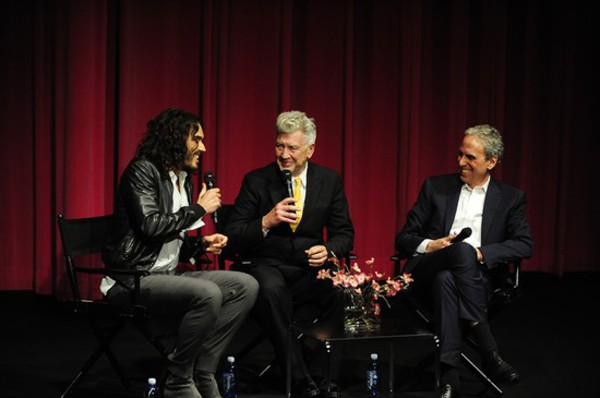
Russell Brand and David Lynch talk Transcendental Meditation with Bob Roth. Credit/Copyright: Amy Graves via The TASC Group

Russell Brand and David Lynch talk Transcendental Meditation with Bob Roth. Credit/Copyright: Amy Graves via The TASC Group

Following last night’s debut in L.A., the documentary will go on to screen in 12 major international cities, including London, Paris, Berlin, Tel Aviv, Johannesburg, Tokyo, Rio de Janeiro, Buenos Aires and Toronto, in May and June. The film will also be screened at the Palm Beach International Film Festival in West Palm Beach, FL on Saturday, April 6. Visit the new website, Meditation Creativity Peace, for a list of upcoming and previous screenings: http://meditationcreativitypeace.com.

Read more of what happened that night in these reports: Look to the Stars: Russell Brand And David Lynch Bring Meditation To At-Risk Youth and LAist: David Lynch & Russell Brand Changing Lives With ‘Meditation Creativity Peace’, which include photos and videos. Sean Macaulay covered the event, including an interview, for The Daily Beast: David Lynch Discusses Transcendental Meditation in Los Angeles. Google posted this excellent article by AFP: Filmmaker David Lynch touts meditation for PTSD.

Here are some videos by World Monitor TV covering the event. In this first one, Russell Brand and David Lynch arrive at ‘Meditation Creativity Peace’ US premier, after posing for photographers, David and Russell walk over to Puki Freeberg for an interview, which starts around 1:38. It’s difficult to make out what they’re saying with the many people talking in the room and photographers shouting at the celebrities to turn their way. At first David complains about the bright lights, saying they need to be covered with gels. But then David introduces the “fantastic” Puki to Russell who lights up and exclaims, “Oh you’re Puki! I hear a lot about you, and I met you once after a show in a different context, in a different dress, in a different light.

Puki asks Russell why he supports the David Lynch Foundation and he answers, “Because of the wonderful work it does in schools, with veterans, and because meditation is something everyone can use in their life, and because David asked me.”

David smiles and tells Puki that “Russell Brand is going to start a revolution…for peace and enlightenment…for all the people…and that’s why Russell’s here. And also Russell has a gift, somewhat of a gift for humor, and it’s really good to have him here.”

Puki asks David how he feels about premiering his documentary (Meditation, Creativity, Peace) in LA tonight, and he says, “I feel very good about it, because, hopefully, the documentary holds good news for the people…and we’ll see how it goes tonight…we’ll see if they think it’s good news.” There’s more discussion about the interview, which Russell says was very successful, but it’s hard to discern the rest of what they’re saying as they bring it to an end. Here is a more recent updated clearer version:

 Other meditating celebrities arrive and are seen in these videos: Maya Stojan, Russell Brand arrive at ‘Meditation Creativity Peace’ US premier | ‘Meditation Creativity Peace’ US premiere – Matt Bomer, Russell Brand, Nick Zano | Matt Bomer, Nick Zano all smiles at ‘Meditation Creativity Peace’ US premiere.

*The Hammer Museum did post the 41-minute interview the following month: David Lynch, Russell Brand, Bob Roth Q&A after screening Meditation, Creativity, Peace documentary at Hammer Museum. Richard Broome also posted it on his website highlighting key quotes from the interview.

**Here is an earlier post on the film when it was shown in NYC: Watch the trailer for a new documentary film on David Lynch titled “Meditation Creativity Peace”.

Enlightenment, The TM Magazine, also reported on the event: Meditation Creativity Peace: How the David Lynch Foundation Brings Change from Within.

David Lynch speaks with Alan Colmes about his 16-country tour film Meditation Creativity Peace.

Fairfield honors 2011 CNN Hero of the Year Robin Lim at Sondheim Theater for the Performing Arts

March 2, 2013

When Robin Lim returned home to Fairfield for a hero’s welcome she was honored by the City of Fairfield with a proclamation given to her by Mayor Ed Malloy. Robin also shared some birthing stories with us. One of them was very funny of a Russian couple who wanted to have a home birth, an orgasmic birth. This video begins with several video clips about Robin and her CNN introduction, presentation and acceptance speeches.

Founded in 1995, Bumi Sehat is a non-profit, village-based organization that runs two by-donation community health centers in Bali and Aceh, Indonesia. They provide over 17,000 health consultations for both children and adults per year. Midwifery services to ensure gentle births is at the heart of Bumi Sehat and our clinics welcome approximately 600 new babies into the world each year.

Their mission is to reduce maternal and child morbidity and mortality and to support the health and wise development of communities. Toward this goal, we provide general health services, emergency care, prenatal, postpartum, birth services and breastfeeding support, in addition to education and environmental programs. Yayasan Bumi Sehat is devoted to working in partnership with people to improve quality of life and to improve peace.

For more information, visit Robin Lim’s websites: BumiSehatBali.org, and WisdomBirth.org, still under construction.

See Fairfield Ledger: CNN Hero Robin Lim visiting Fairfield, and early news coverage for Robin Lim is the 2011 CNN Hero Of The Year. While in Fairfield Robin Lim spoke on Becoming a Hero at the Maharishi School for the Age of Enlightenment in Fairfield, Iowa on November 14, 2012, and on Finding the Hero Inside Yourself at the Fairfield High School.

See this Tanka for Ibu Robin Lim, CNN Hero of the Year.

War veterans say Transcendental Meditation could help with PTSD

February 11, 2013

War veterans say meditation could help with PTSD

By Agence France-Presse
Tuesday, February 5, 2013 6:27 EST

Meditation might sound an unlikely activity for men trained in killing people and blowing things up in Afghanistan and Iraq. But US war veterans say meditation could help heal the post-war mental disturbances that afflict a growing number of American soldiers, including possibly the ex-Marine who gunned down the country’s most famous sniper over the weekend.

Luke Jensen, a former undercover police officer who fell apart mentally on arrival in Afghanistan, said that after trying to commit suicide in front of his family, he agreed to try Transcendental Meditation — and was saved.

“There’s a lot of coping methods out there that are offered to our veterans. This needs to be one of them,” the heftily built man said in a shaking voice at a meeting of the David Lynch Foundation, which promotes meditation for treating post-traumatic stress disorder.

Jensen said he has since taken a job in the government’s Department of Veterans Affairs, helping other stressed out vets. Just two weeks ago, one of those he worked with committed suicide.

Transcendental Meditation “needs to be implemented. It needs to be an option,” Jensen told the panel in New York.

After years of being a little-talked about subject, PTSD is increasingly acknowledged as a mental health epidemic in the United States and one of the less easily quantifiable costs of America’s wars on the other side of the world.

The Department of Veterans Affairs estimates that PTSD occurs in between 11 and 20 percent of veterans from the Afghan and Iraq wars, and in 31 percent of Vietnam war veterans.

Although combat is commonly assumed to be the main cause of PTSD, simply witnessing the effects of bombings, for example, or the stress of being in a hostile country, are also blamed.

Another major source of PTSD, though less often discussed, is what the government calls military sexual trauma. Veterans Affairs figures show that 23 percent of women report sexual assault in the ranks, while more than half have experienced sexual harassment.

The most frightening result associated with PTSD is the rising number of suicides, which now run at 22 a day among military veterans, according to a government study released last week.

And the problem is no less alarming among active duty soldiers, with a record 349 killing themselves in 2012 — more than were killed by the Taliban or other enemy in the field.

In the latest incident to highlight the violence engulfing former soldiers, an ex-Marine in Texas was accused Saturday of shooting dead another veteran who had devoted himself to helping comrades adjust to peaceful life.

Adding to the shock value, the victim, Chris Kyle, was an author of a best-selling book about his former exploits as a sniper with 150 confirmed kills.

In the effort to address the problem of PTSD, meditation is an outlier.

However, early studies show remarkable success, and demand is growing, advocates at filmmaker Lynch’s foundation said.

Transcendental Meditation involves entering “a state of rest in many cases deeper than sleep,” said Bob Roth, executive director of the David Lynch Foundation. “This allows deeply rooted stresses to be dissolved.”

Retired rear admiral Richard Schneider, president of the private military institute Norwich University, said tests showed that cadets using the techniques increased focus in class and were better “emotionally prepared.”

The meditation instructor, a chisel-faced air force veteran called David Zobeck, said a stigma long attached to meditation was evaporating among students, who are preparing for careers as officers.

“They’re not getting the weird stares anymore,” he said.

Jerry Yellin, a fighter pilot in World War II who spoke of losing comrades and making dangerous missions in the bloody Pacific theater, said he began suffering nightmares, then behavioral problems on return home at a time when PTSD was rarely discussed.

“The hard stuff began in my life, because I didn’t sleep,” he said. “I had an addiction that ruled my life.”

Meditating, he said, “got my life back 100 percent.”

The Raw Story published this report from Agence France-Presse.

See more articles on PTSD and TM posted on The Uncarved Blog.

Investment director and author Alexander Green tells you how to take a vacation inside your head

December 14, 2012

Here’s an interesting article I received from a friend. One of her friends subscribes to a financial service newsletter called Spiritual Wealth and he sent it to her. Alexander Green, investment director and author, posted this personal account December 14th, 2012. While on a club tour in Europe, he struck up a conversation with a fellow traveler. What came out of it led to him learning how to take a daily vacation in his own mind. You can read more about Alex at the end of his article. Bon voyage!

How to Take a Vacation Inside Your Head

On a recent Oxford Club tour of Italy, I got to know Dr. Satinder Swaroop, a cardiologist based in Fountain Valley, CA. Among the many topics we discussed during our ten days together was Transcendental Meditation (TM).

Dr. Swaroop is a lifelong meditator. And he has found that his patients who practice it enjoy better heart health. They are less anxious and sleep better. Their chest pains are less frequent. They are more able to stay on a diet and lower their cholesterol levels. They are calmer, too.

He suggested I give it a try.

I don’t have any heart issues. I’m not an anxious person. If anything, I lean toward the overly mellow. Dr. Swaroop just smiled. “You should try it and see what happens.”

I told him I’d look into it.

A few weeks after I returned home, Dr. Swaroop sent me an email. Had I visited TM.org as he suggested?

Uh, no.

“You should,” he said again. “Just check out a couple of the videos.”

And so I did. That’s when I stumbled across a five-minute short by filmmaker David Lynch and became intrigued. I began reading up on TM and listening to people who practiced it. A week later, I signed up with an instructor.

I would have scoffed at this idea a few years ago. To the extent that I thought about meditation at all, I considered it a somewhat hippie, vaguely self-indulgent practice tied to Eastern religions or mystical “woo-woo” of one kind or another. Meditation seemed too… well… flaky.

But that view changed as I became more familiar with the scientific literature. There is an astonishing amount of research on meditation’s physical and psychological benefits, including hundreds of peer-reviewed articles. Researchers have found that TM spreads a wave of calmness across the brain, organizing the prefrontal region in a way that improves focus and decision-making. Studies also suggest it enhances physical health and increases longevity. How? By helping people deal effectively with stress.

In today’s hectic and competitive world, stress wears us down and burns us out. It fuels countless disorders, including anxiety, insomnia and depression. It also promotes cardiovascular disease, obesity, diabetes and digestive disorders. Exercising and eating better can help counteract this. But meditation helps practitioners develop mental resilience, as well. The benefits are well documented.

In Transcendence, psychologist and educator Dr. Norman Rosenthal writes: “A great deal of clinical research has been done on TM. For example, we now know that when people practice TM, their blood pressure drops. They show higher blood levels of a soothing hormone called prolactin, as well as more coherent brain wave patterns, which are associated with good mental functioning. New evidence suggests that TM may improve longevity and lower medical costs by reducing hospital stays and doctors’ visits. Even people who are not in physical or psychological distress can be helped. TM has been shown to help ‘normal’ people reach their full potential and live in greater harmony with one another.”

Transcendental Meditation is not a religion. No one who practices it is asked to accept any belief system. The technique goes back thousands of years and was brought to the United States by Maharishi Mahesh Yogi, an Indian teacher who extracted the meditative technique from its Vedic origins and distilled it to its essence. Today it is practiced by people of all religions and no religion.

How does it work?

TM is not learned from a book or video. It is taught by a certified instructor and experienced meditator.  The process has seven steps: two lectures, a personal interview with the teacher, then four teaching sessions on four consecutive days.

Essentially, the student is taught to sit with hands folded in an upright chair in a quiet place. After a brief ceremony of gratitude, the instructor gives him his own mantra (a two-syllable wordless sound) to think about as he sits in quiet relaxation for 20 minutes twice a day.  Ideally, this would be first thing in the morning and again in the late afternoon or early evening. (The mantra is simply a mental “vehicle” to let the mind settle down.)

In the beginning, I wondered how I would possibly find time to fit two 20-minute sessions into days already crammed with research, writing, traveling, speaking, exercising, socializing and raising a family. But since no new skill can be learned without practice, I made time.

I haven’t been at it long enough to report anything world-changing. But I will pass along a few observations. First off, there’s something inherently pleasurable about taking a break from your daily routine to sit in quiet contemplation. Meditation helps you sort through all the mental flotsam and jetsam your mind throws up. The typical meditative session results in greater relaxation, inner peacefulness and, occasionally, an enjoyable shift in consciousness.

Insights like these are hardly new, of course. Meditation has been practiced in both the East and West for thousands of years. In the second century AD, the Roman emperor Marcus Aurelius wrote in his Meditations:

“Men seek retreats for themselves in country places, on beaches and mountains, and you yourself are wont to long for such retreats, but that is altogether unenlightened when it is possible at any hour you please to find a retreat within yourself. For nowhere can a man withdraw to a more untroubled quietude than in his own soul.”

Psychologists report that in a typical day we process up to 70,000 thoughts and this continues even as we sleep. (Basically the brain never shuts up.) Meditation is a pleasant and peaceful retreat, a tool for stilling the mind.

Thoughts or worries will arise during TM too, of course. But meditators are counseled not to argue with or analyze them, but rather just to acknowledge them and let them go. Experienced meditators often report a blissful state of acceptance, serenity and a feeling of being at one with the world.

TM is easy to learn and practice. It is less expensive than analysis, safer than prescriptions, and available for a lifetime without special equipment or facilities. Researchers have discovered that sitting with your eyes closed and repeating a mantra twice a day can cut your risk of serious disease by half. And it has no adverse side effects. If TM were a drug, it would be a multi-billion-dollar blockbuster.

As Rosenthal writes, “I have found most long-time meditators to be physically relaxed in their posture, alert in their expressions, and open-minded in their attitudes. It is not surprising that this demeanor and approach to life, played out day after day over years, would make a huge difference to health, longevity, and just plain enjoyment of life.”

The good news is you don’t have to follow a guru, visit an ashram, recite Sanskrit or get into the lotus position on a hardwood floor. All you need is a comfortable chair, a quiet space and 20 minutes.

And I invite you to be skeptical. I’ve learned it works for skeptics too.

Carpe Diem,

Alex

P.S. The David Lynch Foundation sponsors the teaching of Transcendental Meditation to inner-city schoolchildren, prisoners and even refugees in war-torn parts of the world. To see his five-minute introductory video, click here.

Alex Green—Spiritual WealthAlexander Green is the Investment Director of The Oxford Club. The Oxford Club Communique, whose portfolio he directs, is ranked among the top investment letters in the nation for 10-year performance by the independent Hulbert Financial Digest. Alex is the author of The New York Times bestseller “The Gone Fishin’ Portfolio: Get Wise, Get Wealthy… and Get On With Your Life,” “The Secret of Shelter Island: Money and What Matters,” and most recently, “Beyond Wealth: The Road Map to a Rich Life.” He has been featured on Oprah & Friends, CNBC, National Public Radio (NPR), Fox News and “The O’Reilly Factor,” and has been profiled by The Wall Street Journal, BusinessWeek, Forbes, and Kiplinger’s Personal Finance, among others. He currently lives in Charlottesville, Virginia and Winter Springs, Florida with his wife Karen and their children Hannah and David.

Copyright © 2008-2012