Posts Tagged ‘TM’

Transcendental Meditation May Help Fight Heart Disease—article on Chef Marcus Samuelsson’s blog

December 6, 2012

Here’s an informative article Carla F. Williams wrote December 4, 2012 on Chef Marcus Samuelsson’s blog: Transcendental Meditation May Help Fight Heart Disease.

We’re all familiar with the uncomfortable feelings stress can create. What’s even more important than the feelings, however, is what that stress may be doing to our bodies. The medical community links “psychosocial stress” to both the onset and the progression of cardiovascular disease (CVD), proof positive that stress affects our lives beyond our conscious feelings.  Plainly put, stress can indeed kill and reducing stress is key to protecting our health and wellbeing. The good news is that it appears that our brains may well have the power to positively impact our health by helping keep stress at bay.

Transcendental Meditation (TM) has been shown to reduce stress and help overcome the stress-driven contributors to CVD, including hypertension.  The beneficial outcomes springing from this mind-over-matter are so promising that The National Institute of Health has granted over $24 million in grants over the past 20+ years to study the effects of Transcendental Meditation and related programs tackling CVD.  A study recently released in the American Heart Association’s journal Circulation: Cardiovascular Quality and Outcomes tracked the impact of Transcendental Meditation versus health education on heart disease in a controlled sample of 201 African-American men and women who had already been diagnosed with CVD.  TM came in strong as a tool for helping improve the cardio health of the participants over a 5 + year period, significantly reducing risk for mortality, myocardial infarction (a.k.a. heart attack), and stroke along with lowering blood pressure.

The study authors describe TM as a “simple, natural, effortless procedure that is practiced 20 minutes twice a day while sitting comfortably with the eyes closed.” During this process, ordinary thinking processes settle down and physiological rest kicks in. Although the process may be simple, there was nothing simple about the training study participants received. It was quite intense with an instructor certified by the Maharashi Foundation guiding them through a 7-step course of instruction over six 1.5 -2 hour meetings with follow-up over the course of the study.  They invested hours in learning to calm their minds and their bodies, an investment that paid off.

The implications of this study and the string of similar studies go beyond African-Americans. The writing is on the wall for everyone.  Meditation and developing the ability to truly calm our minds might well improve the health of our bodies. Transcendental Meditation may not be on your radar but if you think about it, what’s not to love about a risk-free potential pathway to better health?  TM has a lot going for it.  Once you master the process it costs nothing, can be practiced almost anywhere and requires no special equipment.  It’s certainly worth looking into.  Your heart may just thank you.

###

Read more about the heart disease study from the American Heart Association posted on this blog: Transcendental Meditation may reduce death, heart attack and stroke in heart patients—AHA. Additional news coverage is available at the bottom of the page. For more information on Transcendental Meditation visit www.tm.org.

The David Lynch Foundation provides free instruction in Transcendental Meditation to at-risk youth in under-served schools; veterans with PTS and their families; and women and girls who are victims of violence, abuse and rape. The Foundation will be hosting another Gala Event in Lincoln Center Thursday night, Dec 13 to raise funds for such projects.

See the musicians who will be playing jazz during this historic night at Lincoln Center’s Frederick P. Rose Hall in the Time Warner Center, New York. www.changebeginswithin.org. Interestingly, Lincoln Center is also where one of Marcus Samuelsson’s new restaurants, American Table Cafe and Bar, recently opened. Read more about Marcus Samuelsson on his Amazon author’s page.

New: Thrive Global, January 24, 2020: Manage Your Mind to Manage Your Heart: Why Transcendental Meditation is Vital for Heart Health. Research studies show regular TM practice reduces risk factors for cardiovascular disease. By Robert Schneider, M.D., FACC, Dean, College of Integrative Medicine, Maharishi International University.
Study suggests meditation may help prevent PTSD—Boston Globe article by Bryan Bender

December 3, 2012

Study suggests meditation may help prevent PTSD

By Bryan Bender | Globe Staff | December 02, 2012

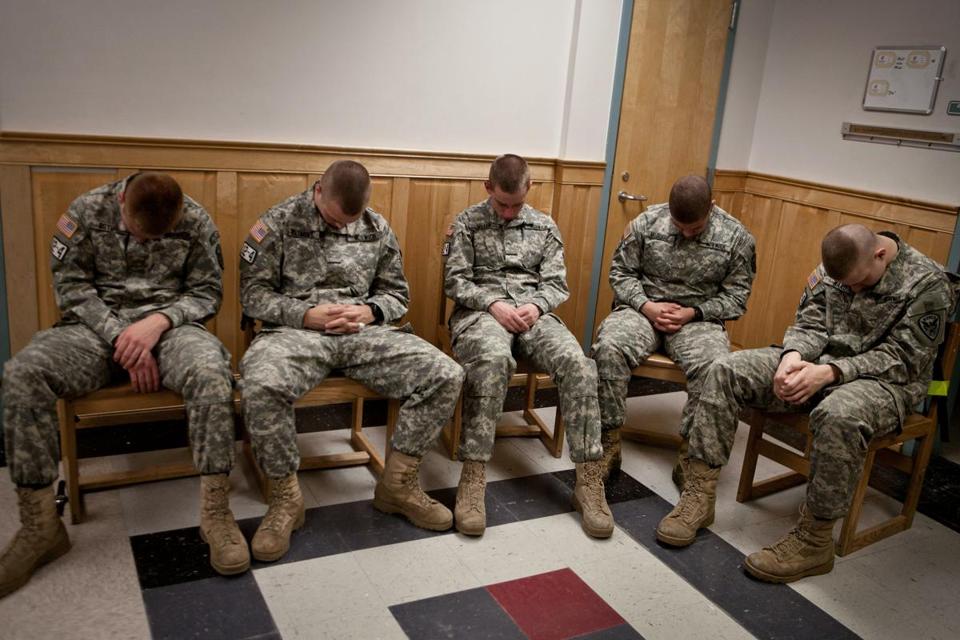
Norwich Rooks Meditate after classes

Lance Ostby, Rob Wetmore, Matt Miller, Aaron McDuffie, and Jeremy Ward practiced meditation following afternoon classes. Kayana Szymczak for the Boston Globe

NORTHFIELD, Vt. — It is part of a highly regimented daily routine at Norwich University, the nation’s oldest private military academy and a cultivator of battlefield leaders for nearly two centuries.

Dressed in combat fatigues and boots, a platoon of first-year cadets — “Rooks” — are up early in their barracks. On the orders of their instructor, the young men and women take their places. At 0800 sharp, they sit on wooden chairs in a circle and begin — to meditate.

The first-of-its-kind training is part of a long-term study to determine whether regular brief periods of silent, peaceful consciousness can improve troops’ performance. Ultimately, researchers hope the transcendental meditation training might be made available across all branches of the military to help inoculate troops against acute post-traumatic stress disorder, which has reached epidemic proportions and is blamed for a record number of suicides in the ranks.

For an institution that demands that incoming cadets exhibit physical and mental toughness, meditation training is a radical approach. The broader military culture had long associated meditation with a leftist, antiwar philosophy. Known by its shorthand, TM was widely introduced to the West by Maharishi Mahesh Yogi, the Hindu leader who once served as the spiritual guru to the Beatles.

“I was very skeptical at first,” said Norwich president Richard W. Schneider, a retired Coast Guard admiral who is among several university officials who have also been trained in the technique. “I’m not a touchy-feely guy.”

But the preliminary results of the study, now in its second year, surprised even its lead researchers. They have been methodically tracking the dozens of participants and several control groups of non-meditating cadets through detailed questionnaires as well as brain wave and eye scans to measure levels of stress, anxiety, and depression.

“All those things decreased significantly,” said Dr. Carole Bandy, a Norwich psychology professor overseeing the project. “In fact, they decreased very significantly.”

Positive traits such as critical thinking and mental resilience improved, according to preliminary findings shared with the Globe that Bandy and her team plan to publish next year.

The project has garnered high-level attention from the Army.

“Becoming more psychologically fit is just like becoming physically fit. It is better to do it before you are injured,” said retired Brigadier General Rhonda Cornum, a surgeon who until recently ran the Army’s Comprehensive Soldier Fitness Program and visited Norwich three times to be briefed on the work. “There seems to be no question that meditation is, frankly, good for you. I am very encouraged by the Norwich University study.”

(more…)

Why CEOs, actors, and pop stars love Transcendental Meditation | Well+Good NYC

November 30, 2012

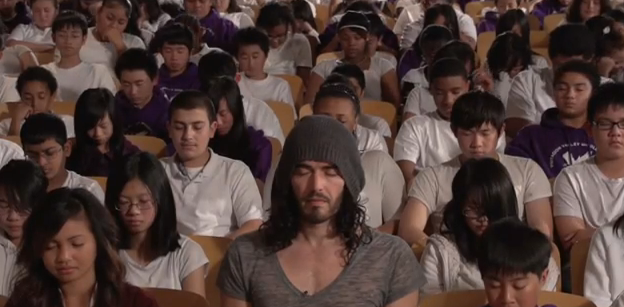
Here is an excerpt from a Well + Good NYC article, Why CEOs, actors, and pop stars love Transcendental Meditation, posted under their Good Advice column on Tuesday, November 27, 2012. The top photo shows Russell Brand meditating with students at a San Francisco Middle School.

Russell Brand meditates with students in a San Francisco School

The Beatles famously credited Transcendental Meditation with helping them write their best music. Oprah swears by her daily practice. So does billionaire hedge fund founder Ray Dalio, British comedian Russell Brand, and music mogul Russell Simmons.

In fact, the list of celebrities and Fortune 500 CEOs who say Transcendental Meditation has helped them in their personal and professional lives is so long that we may need to start a new list: “Successful People Who Don’t Practice Transcendental Meditation.”

Just what is this popular style of meditation and how does it differ from others? We’ll tell you!

“TM,” the acronym used by insiders, is the practice of sitting for 20 minutes, twice a day, repeating a personal mantra given to you by a TM teacher. The technique is based on a Vedic tradition, an ancient Indian process of enlightenment. Fifty years ago, spiritual leader Maharishi Mahesh Yogi introduced the practice to the rest of the world, founding the Transcendental Meditation Program.

“A Creative Edge”

According to the program, TM allows your mind to settle into a state of pure awareness, known as transcendental consciousness. In this state, the body is at its most relaxed, and the brain supposedly has the greatest access to its creative energy. Devotees claim that TM gives them a creative edge, allowing them to be more focused throughout the day and access innovative ideas.

Shel Pink, founder of the cutting-edge SpaRitual line of nail polishes and cosmetics, credits TM for helping her run her successful business. David Lynch, the movie director who is arguably TM’s biggest (and most recognizably creative) spokesperson at the moment, told an auditorium of film students how indispensable TM is to the craft: “it boosts awareness of pure vibrant consciousness” and “experiencing the act of enlivening your consciousness makes creativity flow.” (Check it out here at minute 7.)

But Lynch would also say TM is not just for film students (or celebrities and CEOs). It’s also a potent healing practice. That’s why The David Lynch Foundation raises money to offer TM programs for high-stress, at-risk populations, such as inner-city students and the homeless.

Peter Trivelas, a Navy veteran who now teaches TM to other veterans, agrees that this simple practice has powerful benefits for post-traumatic stress. “TM teaches you to put your brain in a state of profound rest, so your body can begin to repair itself on a profound level.”

See the rest of this great article with photos of David Lynch and Shel Pink here: t.co/p0UJwQ6W.

Also see 14 Executives Who Swear By Meditation–10 do TM.


Op-Ed peace piece spreading around the world: Reducing Tension in the Middle East

November 29, 2012

In a response to the current volatile situation in the Middle East co-authors David Orme-Johnson and David Leffler ask if we want to continue repeating history, killing and destroying to solve political problems, or transform ourselves with a more enlightened alternative approach that’s been scientifically proven to create peace.

Modern unified field theory supports the perennial philosophy of all major cultural traditions that there exists a transcendental field at the most fundamental level of natural law, which can be directly accessed as the silent transcendental level of the human mind. Hundreds of studies have shown that experience of transcendental consciousness breaks the chain of conditioned reflexes coming on from past behavior, as seen in reduced addictive behaviors of all kinds, decreased prison recidivism, and reduced behavioral problems in inner-city children.

Are we as nations to go on like rats trapped in a conditioning cage, reacting the same way decade after decade? Or shall we step out of the cage into the transcendental level of our own consciousness and grow up into enlightened human beings, rather than continuing to resort to destroying and killing? This is the choice we have right now.

Read this paradigm-shifting Op-Ed piece on how we can put an end to war and create permanent peace: Reducing Tension in the Middle East. It’s being posted on news websites and online journals around the world. The AsiaN published it as Transcendental meditation proved helpful in solving enmity among nations. The Israel Herald published it under: Lasting peace in Middle East may need warring parties to meditate, and the Palestinian News: Meditation cited as possible remedy to reduce tensions in Mideast conflict.

Here is a list of publications under dates in the countries where the article was published, over 50 times so far: Israel, Afghanistan, Romania, UK, Nepal, USA, Pakistan, Greece, Cyprus, Ghana, Liberia, Balkans, India, Ivory Coast, Africa, Australia/Tonga, Canada, Jordan, Balkans, Palestine, South Korea, Kashmir, Ireland, China, South Africa, Egypt, Germany, France, Denmark, Spain, Thailand. Check them all posted here: Op-Ed Piece “Reducing Tension in the Middle East” by Drs. Orme-Johnson and Leffler is Available Worldwide in over 50 Locations.

For more information on this powerful benign approach, see: The Power of The Collective, by John Hagelin and John Hagelin — “Only Higher Consciousness Can Transform Our World” — Beyond Awakening Blog. Here are reports: Group Meditations Reduce Crime, As Predicted and Explanation to Steady Decline in Major Crime in the US.

Excellent article by Tom Jacobs on Meditation: Strong Preventative Medicine for Heart Patients

November 14, 2012

Meditation: Strong Preventative Medicine for Heart Patients

New research finds major health benefits of meditation for African Americans with heart disease.

November 13, 2012 • By for Pacific Standard

Meditation is usually thought of as a practice of healthy, well-off white people and Asians. But newly published research suggests it can produce hugely significant health benefits in a very different demographic group: African Americans with heart disease.

A study of that followed 201 African Americans for an average of five years found those who meditated regularly were far more likely to avoid three extremely unwelcome outcomes. Compared to peers participating in a health-education program, meditators were, in that period, 48 percent less likely to die, have a heart attack, or suffer a stroke.

“It appears that Transcendental Meditation is a technique that turns on the body’s own pharmacy—to repair and maintain itself,” said Dr. Robert Schneider, the paper’s lead author and director of the Institute for National Medicine and Prevention at the Maharishi University of Management in Fairfield, Iowa. His research is published in the American Heart Association journal Circulation: Cardiovascular Quality and Outcomes.

The paper was originally scheduled to be published in 2011 in the journal Archives of Internal Medicine, but was withdrawn just before being posted “to allow time for review and statistical analysis of additional data.” The AHA’s Maggie Francis reports that the paper “went through peer review, statistical review, editorial discussions, and the authors of the article were responsive to the review process.”

While, two decades ago, research from Maharishi University was often regarded with skepticism, the institution is now well-regarded for its scholarly work.

Schneider and his co-authors undertook this research in part because African Americans “suffer from disproportionately high rates” of mortality due to cardiovascular disease. As we have reported, this may in part reflect high stress levels, the result of living in a society where racial prejudice continues to linger.

The study was conducted at the Medical College of Wisconsin in two phases: From 1998 to 2003, and from 2004 to 2007. Participants were African Americans whose blood flow to the heart was seriously obstructed. Specifically, at least one of their coronary arteries had been narrowed by at least 50 percent.

The patients’ mean age was 59; almost half reported an income of under $10,000. Males slightly outnumbered females. Around 40 percent were cigarette smokers; their mean body mass index was just over 32, making them, on average, clinically obese.

They were randomly divided into two groups. Half took part in a cardiovascular health education program, in which they “were advised to spent at least 20 minutes a day at home practicing heart-healthy behaviors,” including exercise and eating healthy food.

The others were taught the technique of Transcendental Meditation, and encouraged to engage in this activity for 20 minutes each day. “Follow-up and maintenance meetings were held weekly for the first month, biweekly for the next two months, and monthly thereafter,” the researchers write.

The researchers followed up on the participants an average of 5.4 years after they initially joined the experiment. They found those in the meditation group were 48 percent less likely than their peers to have suffered one of three negative outcomes: a heart attack, a stroke, or death from any cause.

“There was a significant association between regularity of home (meditation) practice and survival,” the researchers report. “The subgroup of subjects who were regular in their TM practice had a 66 percent risk reduction, compared with the overall sample risk reduction of 48 percent.”

Regular meditators also reduced their blood pressure, on average, and reported feeling less anger than they did before beginning the experiment.

“This trial did not address the effects of other mind-body, meditation-type interventions on clinical events,” the researchers note. So it’s not clear if these apparent health benefits were the result of some specific aspect of Transcendental Meditation, or would apply to any regimen involving deep breathing and clearing one’s mind.

Nevertheless, as the researchers note, this appears to be the first randomized, controlled trial to find the risk of mortality, heart attack and stroke declined “with the individual practice of a relatively simple mind-body intervention.”

It’s some of the clearest evidence yet that reducing stress through regular meditation can have a positive effect on one’s physical health.

About Tom Jacobs
Staff writer Tom Jacobs is a veteran journalist with more than 20 years experience at daily newspapers. He has served as a staff writer for The Los Angeles Daily News and the Santa Barbara News-Press. His work has also appeared in The Los Angeles Times, Chicago Tribune and Ventura County Star.
###

Transcendental Meditation May Lower Heart Risk: WebMD Heart Disease Health Center

November 13, 2012

Heart Disease Health Center

Transcendental Meditation May Lower Heart Risk

By 
WebMD Health News
Reviewed by Louise Chang, MD

Nov. 13, 2012 — Transcendental Meditation is good for the heart, according to a new study.

The study was funded by the National Institutes of Health. It found that African-Americans with heart disease who regularly practiced TM reduced their risk of death, heart attack, and stroke by 48%.

Researcher Robert Schneider, MD, says those results should apply to the general population. Schneider is director of the Institute for Natural Medicine and Prevention at the Maharishi University of Management (MUM) in Fairfield, Iowa.

“This taps into a universal physical phenomenon that is not related to race, age, culture, etc.,” Schneider says. “This state of restful alertness has restorative benefits for everyone. It’s a way to utilize the body’s own internal pharmacy.”

TM is a trademarked form of meditation. It requires training by a certified teacher to “settle inward” to a place called “transcendental consciousness.” The technique is one of the two pillars underlying education at the Maharishi University of Management, according to the school’s web site.

Health Benefits of TM

The study was a collaboration between MUM and the Medical College of Wisconsin in Milwaukee. Researchers recruited 201 African-American men and women whose average age was 59 and who were generally considered obese.

All of the participants previously had been diagnosed with heart disease. Many of them were current smokers. African-Americans, says Schneider, have a 35% higher risk of dying from heart disease than the general population.

The people in the study were divided into two groups. While both groups continued to receive standard care and medication for heart disease, the study group attended a seven-step course in TM. The people in that group were then instructed to meditate twice a day for 20 minutes for the duration of the study.

Schneider says that the program was standard for TM practitioners and had not been modified for the study.

The comparison group received conventional health education. The people in that group were told to spend at least 20 minutes a day on heart-healthy activities.

Members of both groups were followed for as long as nine years.

In addition to reducing the risk of death, heart attack, and stroke by nearly half, TM also significantly lowered systolic blood pressure, the top number in a blood pressure reading.

Anger control and overall anger also improved. Those who entered the study with either high blood pressure or high stress benefited the most from meditation.

“What this is saying is that mind-body interventions can have an effect as big as conventional medications, such as statins,” says Schneider.

The TM group was expected to meditate 14 times per week. But the researchers found that on average participants only practiced the technique 8.5 times.

They would have done well to stick to their instructions. Those who followed the study guidelines more strictly, Schneider says, had even greater benefits. Their risk reduction was 66%.

Second Opinion

“In cardiology, we are always impressed when we see any effective intervention,” says cardiologist Michael Shapiro, DO, of Oregon Health and Science University in Portland. “But to actually show a reduction in overall mortality — that is really impressive.”

Shapiro, who reviewed the study for WebMD, says that its design appears scientifically rigorous and that its results are likely valid. But he says the study was too small to draw any definite conclusions.

“I am enthusiastic and cautiously optimistic,” says Shapiro. “Overall, I like the study, and it provides justification for a much larger study.”

Shapiro, who practices a different form of meditation, also says that more needs to be learned about what drives these results. He says the reduction in blood pressure, while significant, is likely not enough to account for all of the study’s positive outcomes.

“Meditation can do a whole host of positive things: reduce anger and stress, encourage happiness,” he says. “Who is to say that these are not the most important factors? This study can’t get at the mechanism involved. We don’t know how it works.”

A Cost-Effective Means of Prevention

Transcendental Meditation, says Schneider, is “a simple, effortless, and natural way to settle down to a quiet state of mind.”

But it is not free. According to the Maharishi Foundation USA’s web site, the seven-part introductory TM course that the study participants attended costs $1,500. Financial aid and sliding scale fees are available to those who can’t afford the full amount.

To Schneider, this study shows that TM is a cost-effective means of prevention.

“This is the strongest study ever done on meditation or any mind-body intervention for cardiovascular disease,” he says.

In July 2011, the study was pulled from publication in Archives of Internal Medicine, a last-minute decision made when one of the journal’s reviewers raised questions about the data. Schneider says that in the intervening time, the data was re-analyzed. Also, new data was added and the study underwent an independent review.

“This is the new and improved version,” Schneider says. It appears in the current issue of Circulation: Cardiovascular Quality and Outcomes.

Note: Check November 20 when the next issue comes out in print: http://circoutcomes.ahajournals.org.

Also see: Transcendental Meditation may reduce death, heart attack and stroke in heart patients—AHA

Science Codex: Meditation may reduce death, heart attack and stroke in heart patients

Meditation could slash the risk of heart attack and stroke (and make you less angry) — Daily Mail

Transcendental Meditation may reduce death, heart attack and stroke in heart patients—AHA

November 13, 2012

Meditation may reduce death, heart attack and stroke in heart patients

November 13, 2012

Study Highlights:

  • Twice-a-day Transcendental Meditation helped African Americans with heart disease reduce risk of death, heart attack and stroke.
  • Meditation helped patients lower their blood pressure, stress and anger compared with patients who attended a health education class.
  • Regular Transcendental Meditation may improve long-term heart health.

DALLAS, Nov. 13, 2012 — African Americans with heart disease who practiced Transcendental Meditation regularly were 48 percent less likely to have a heart attack, stroke or die from all causes compared with African Americans who attended a health education class over more than five years, according to new research published in the American Heart Association journal Circulation: Cardiovascular Quality and Outcomes.

Those practicing meditation also lowered their blood pressure and reported less stress and anger. And the more regularly patients meditated, the greater their survival, said researchers who conducted the study at the Medical College of Wisconsin in Milwaukee.

Robert Schneider, M.D., director of the Institute for Natural Medicine and Prevention and dean of Maharishi College of Perfect Health in Fairfield, Iowa. Courtesy MAPI

“We hypothesized that reducing stress by managing the mind-body connection would help improve rates of this epidemic disease,” said Robert Schneider, M.D., lead researcher and director of the Institute for Natural Medicine and Prevention in Fairfield, Iowa. “It appears that Transcendental Meditation is a technique that turns on the body’s own pharmacy — to repair and maintain itself.”

For the study, researchers randomly assigned 201 people to participate in a Transcendental Meditation stress-reducing program or a health education class about lifestyle modification for diet and exercise.

  • Forty-two percent of the participants were women, average age 59, and half reported earning less than $10,000 per year.
  • Average body mass index was about 32, which is clinically obese.
  • Nearly 60 percent in both treatment groups took cholesterol-lowering drugs; 41 percent of the meditation group and 31 percent of the health education group took aspirin; and 38 percent of the meditation group and 43 percent of the health education group smoked.

Those in the meditation program sat with eyes closed for about 20 minutes twice a day practicing the technique, allowing their minds and bodies to rest deeply while remaining alert.

 Participants in the health education group were advised, under the instruction of professional health educators, to spend at least 20 minutes a day at home practicing heart-healthy behaviors such as exercise, healthy meal preparation and nonspecific relaxation.
Researchers evaluated participants at the start of the study, at three months and every six months thereafter for body mass index, diet, program adherence, blood pressure and cardiovascular hospitalizations. They found:
  • There were 52 primary end point events, which included death, heart attack or stroke. Of these, 20 events occurred in the meditation group and 32 in the health education group.
  • Blood pressure was reduced by 5 mm Hg and anger decreased significantly among Transcendental Meditation participants compared to controls.
  • Both groups showed beneficial changes in exercise and alcohol consumption, and the meditation group showed a trend towards reduced smoking. Although, there were no significant differences between the groups in weight, exercise or diet.
  • Regular meditation was correlated with reduced death, heart attack and stroke.

Cardiovascular disease is the leading cause of death worldwide. Death from heart disease is about 50 percent higher in black adults compared to whites in the United States. Researchers focused on African Americans because of health disparities in America.

“Transcendental Meditation may reduce heart disease risks for both healthy people and those with diagnosed heart conditions,” said Schneider, who is also dean of Maharishi College of Perfect Health in Fairfield, Iowa.

“The research on Transcendental Meditation and cardiovascular disease is established well enough that physicians may safely and routinely prescribe stress reduction for their patients with this easy to implement, standardized and practical program,” he said.

Co-authors are: Theodore Kotchen, M.D.; John W. Salerno, Ph.D.; Clarence E. Grim, M.D.; Sanford I. Nidich, Ed.D.; Jane Morley Kotchen, M.D., M.P.H.; Maxwell V. Rainforth, Ph.D.; Carolyn Gaylord-King, Ph.D.; and Charles N. Alexander, Ph.D. Author disclosures are available on the manuscript.

The National Heart, Lung and Blood Institute funded the study.

Follow @HeartNews on Twitter for the latest heart and stroke news.

###

Statements and conclusions of study authors published in American Heart Association scientific journals are solely those of the study authors and do not necessarily reflect the association’s policy or position. The association makes no representation or guarantee as to their accuracy or reliability. The association receives funding primarily from individuals; foundations and corporations (including pharmaceutical, device manufacturers and other companies) also make donations and fund specific association programs and events. The association has strict policies to prevent these relationships from influencing the science content. Revenues from pharmaceutical and device corporations are available at www.heart.org/corporatefunding .

Circulation: Cardiovascular Quality and Outcomes. 2012; 5: 750-758. Published online before print November 13, 2012, doi: 10.1161/ CIRCOUTCOMES.112.967406. November 2012 issue. Stress Reduction in the Secondary Prevention of Cardiovascular Disease: Randomized, Controlled Trial of Transcendental Meditation and Health Education in Blacks. Abstract | Full Text | PDF

Also posted on EurekAlert! http://www.eurekalert.org/pub_releases/2012-11/aha-mmr110812.php

Also see: Transcendental Meditation May Lower Heart Risk: WebMD Heart Disease Health Center

Science Codex: Meditation may reduce death, heart attack and stroke in heart patients

Meditation could slash the risk of heart attack and stroke (and make you less angry) — Daily Mail

TIME Strongest Study Yet Shows Meditation Can Lower Risk of Heart Attack and Stroke

Excellent article by Tom Jacobs on Meditation: Strong Preventative Medicine for Heart Patients

AHA Newsletter: News from the Heart: Update from CEO Nancy Brown for AHA Volunteers (11/15/12) features Dr. Schneider’s study, “meditation reduces cardiovascular risk”

And many major articles around the world, including reports by CNN, CBS, ABC, and NBC.

I also included a review of some of the global news coverage and the report in our university paper the Review: New Study Shows Reduced Mortality, Heart Attack, Stroke (Vol. 28, #6, November 28, 2012). You can also read it in this news post: Results of American Heart Association publishing landmark TM study.

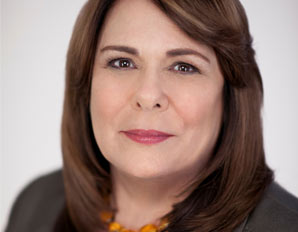
Prevention’s Mandy Oaklander Asks Presidential Debate Moderator Candy Crowley 10 Questions

October 21, 2012

Here are some TM-related highlights from this excellent interview in Prevention. Click on the title to go to the complete article where you will see answers to other questions, like what Candy was anticipating from Romney and Obama, what her tactic would be to get them to give her answers, how her moderating style was going to be different from Jim Lehrer’s, what it means to her being the first female moderator of a presidential debate, and how she has the confidence to not be intimidated by men.

10 Questions for Candy Crowley, Presidential Debate Moderator

How Transcendental Meditation, a vegetarian diet, and a serious ability to kick ass keeps Candy Crowley sane

By Mandy Oaklander

It was a 1 a.m. dinner of pretzels and Twizzlers in a 7-Eleven parking lot that made Candy Crowley realize it was time for a change. That’s when Crowley, CNN’s chief political correspondent, decided she needed to ask herself some serious questions: about her diet and her stress levels, about how well she was managing both. Within the year, she’d gone vegetarian, her exercise regime, and most importantly, her ability to manage stress. Thank God, because she’s about to take on the night of her life.

At 63, Crowley is best known for her political reporting on CNN and as host of that network’s show State of the Union. But one of her greatest honors comes tomorrow, when she’ll become the first woman in 20 years to moderate a presidential debate. How does she plan to stay zen? Crowley’s secret weapon is Transcendental Meditation (TM). “It’s the only thing I won’t go a day without doing,” she says. Make that half a day; Crowley practices every morning and night. Prevention caught up with the meditating vegetarian days before the debate to talk TM, politics, and the Year of Candy.

PVN: How did you get into Transcendental Meditation?

CC: My TM [Transcendental Meditation] experience started right after the last election. Campaigns are just so hard on everything. You’re on the bus, you’re off the bus, you’re on the plane, you’re in a hotel. And that’s really your life: You think you’re not going to eat and then you eat too much, or you think you are going to eat and you don’t eat enough. You’re just so stressed out and tired.

When the 2008 campaign was over, I said, “How about if I promise myself that I will spend a year concentrating on getting healthy and doing the right things? If I hate it and it’s horrible, at the end of the year I’ll just go back and eat crazy.” My friends called it The Year of Candy. I had a friend who said, “You oughta try Transcendental Meditation.”

PVN: What’s your TM routine?

CC: It’s a relaxation technique.  A TM teacher once said to me, “You know when you have a really wavy day on a boat, and you’re getting tossed around and there’s white caps everywhere? That’s kind of where we spend most of our time: on top of the waves.” But if you jump into the water and can get down to the bottom, it’s so still and quiet. That’s where TM is. I just sit in a chair in my room. I meditate in the airport. I meditate in my office in the afternoon. It doesn’t require a special place or even a lack of people.

PVN: How do you feel now, compared to your life before the Year of Candy?

CC: I feel better. Sustaining a Year of Candy can be difficult in election years, I’ve found. It’s still too easy for me to go, “If I could just have that extra hour of sleep, I’d be really happy.” I’m not good at coming home at 8 o’clock at night and running on the treadmill. I say this all the time to a guy that I work out with: “I want to love this, but I just can’t.  I just don’t!” And he says to me all the time, “Just love how it makes you feel afterward. Just keep your mind on that.” That’s the only thing that’s ever going to get you out of bed.

PVN: Do you think that meditation has made you a better journalist?

CC: I think that it has made my thought process more ordered. When your stress level is lower, you make better decisions and you have a better thought process.

Do I still get angry? I do. Do I still get frustrated? I do. Do I still have stress? Yes. I don’t think that’s the point; the point is for you to be able to handle the stress. The point is that I don’t hang onto my anger nearly as long as I used to.  It just takes the harsh edges of life and softens them up in a way that you can cope with them.

PVN: It’s the night before the debate. What’s tonight going to look like for you?

CC: Knowing me, I think I’ll be sitting in my hotel room with a stack of papers, making sure I’m up to date on what the last thing everyone has said about things. I’ll meditate, and then I’ll read some more papers, and then I’ll go to bed.

I’m hoping that it will be really mellow. By the way, all my kids are going to be in town, so it’s going to be a huge lesson in restraint for me not to want to go out and party with them.

PVN: Do you have a moderating mantra?

CC: Five minutes before I get on a show, I take deep breaths and settle in. I just say, “Listen,” because that’s the most important part that most people forget. You’ve got to listen to the answers. Otherwise, you’re not having a conversation. And that’s about the last thing I tell myself before I go on air.

Related stories: Daily Mail: Debate moderator Candy Crowley’s secret of success? Transcendental Meditation | Politico: Candy Crowley on Transcendental Meditation | HuffPost Healthy Living: Transcendental Meditation: Candy Crowley And Other Celebrity Followers | New York Times: Candy Crowley’s Debate Prep| Glamour: 6 Things to Know About Candy Crowley, Including Why She’s Causing So Much Controversy Before Tonight’s Presidential Debate| Access Hollywood: Healthy Hollywood: Wellness Wednesday – Candy Crowley’s Calming Secret!

Other related news: CNN anchor Candy Crowley gives Commencement Address at Maharishi University of Management | Candy Crowley visits KRUU-FM before delivering Commencement Address at Maharishi University | CNN’s Candy Crowley to give Commencement Address at Maharishi University of Management | Fairfield Ledger: Crowley speaks to M.U.M. grads | Los Angeles Times: CNN’s Candy Crowley has taken up Transcendental Meditation

Military Leaders to Promote Meditation at Iowa Summit to Help Reduce Veteran Suicide Epidemic

October 4, 2012

 Military Leaders Promote Meditation to Reduce Suicide
Epidemic Among Veterans

VA Funds Studies on PTSD; Iowa Summit to Showcase Benefits

Eighteen veterans commit suicide every day—
a horrific consequence of post-traumatic stress disorder (PTSD).
More veterans die by suicide every year than are killed annually in Iraq and Afghanistan.

New York, NY — October 4, 2012: America’s veterans and their families are turning to meditation to ease the trauma of combat and pave the way to a healthier life.

The David Lynch Foundation, a 501(c)(3) charity founded by iconic filmmaker David Lynch to bring Transcendental Meditation to at-risk populations, will hold an Iowa Veterans Summit on Thursday, October 11, 2012 at the West Des Moines Marriott. A press avail will take place at 10:00 A.M., followed by the Veterans Summit from 1:00 P.M. to 2:30 P.M.

The Summit will present the research and clinical applications of Transcendental Meditation for reducing stress, Post-Traumatic Stress Disorder (PTSD), substance abuse and suicide, depression and enhancing resilience and performance.

The Washington Post reported in May that the Department of Veterans Affairs, seeking new ways to treat PTSD, is studying the use of Transcendental Meditation to help returning veterans of Iraq and Afghanistan.

Thousands of veterans have learned Transcendental Meditation. Research on veterans who meditate has shown that the technique not only reduces the psychosocial symptoms of stress, anxiety and depression, but also balances serotonin and norepinephrine, and regulates the sympathetic nervous system. Transcendental Meditation is used on the oldest private military campus, Norwich University.

Panelists at The Iowa Veterans Summit include: Dr. Richard W. Schneider, USCGR (Ret.), President, Norwich University; Jerry Yellin, World War II P-51 Fighter Pilot and National Co-Chair, Operation Warrior Wellness; Col. Brian Rees, M.D., Command Surgeon, 63rd Regional Support Command and Luke Jensen, Operation Enduring Freedom veteran and Operation Warrior Wellness (OWW)–Iowa Advisory Board Member. All panelists have extensive experience in using Transcendental Meditation.        

Bob Roth, the Executive Director of The David Lynch Foundation, stated, “It is imperative that we help veterans and the brave men and women still in active-duty deal with the stress that stays with them long after they have returned home. Transcendental Meditation is a wonderful tool that can help those overcome the stress and anxiety from the theater of war, allowing them to lead healthier, more resilient lives.”

Todd M. Jacobus, the Chair of the Iowa Commission of Veteran Affairs, also stated, “Reducing the number of suicides among our Army personnel and veterans today is a top priority of the Army community. Commanders and leaders at all levels of our U.S. Armed Forces are making efforts to remain engaged in the lives of our Soldiers in order to be responsive to their needs and issues, and to get them help. However, these efforts can’t succeed without the involvement of the greater community, including programs like Operation Warrior Wellness, and the Resilient Warrior Program.”

WHAT: Presentations will highlight program outcomes for active-duty military personnel, veterans, cadets and their families. Those invited include military and Veterans Affairs leadership, behavioral health officers, mental health professionals caring for veterans and their families, policy makers, medical researchers and educators.

WHO: Dr. Richard W. Schneider, RADM USCGR (Ret.), President, Norwich University; Jerry Yellin, World War II P-51 Fighter Pilot and National Co-Chair, Operation Warrior Wellness; Col. Brian Rees, M.D., Command Surgeon, 63rd Regional Support Command and Luke Jensen, OEF veteran and OWW–Iowa Advisory Board Member   

WHERE: West Des Moines Marriott, 1250 Jordan Creek Parkway, West Des Moines, Iowa

WHEN: Thursday, October 11, 2012

10:00 A.M.: Press avail

12:00 P.M. – 1:00 P.M.: Lunch

1:00 P.M. – 2:30 P.M.: Veterans Summit

You can view the event brochure by visiting, http://www.operationwarriorwellness.org/iowa_summit.

To arrange an interview with Bob Roth or Jerry Yellin, please contact Ken Chawkin at 641-470-1314 or kchawkin@mum.edu.

About The David Lynch Foundation
The David Lynch Foundation, a 501(c)(3) organization, was established in 2005 to fund the implementation of scientifically proven stress-reducing modalities including Transcendental Meditation, for at-risk populations such as underserved inner-city students; veterans with PTSD and their families; American Indians suffering from diabetes, cardiovascular disease, and high suicide rates; homeless men participating in reentry programs striving to overcome addictions; and incarcerated juveniles and adults. For more information, please visit www.davidlynchfoundation.org.

###

Reported in The Gazette: Summit in Iowa to promote meditation to reduce suicide among veterans. Radio Iowa: Veteran shares story in hopes of helping others deal with impact of war and Matt Kelley of Radio Iowa interviews Jerry Yellin about an Iowa Veterans Summit solution to PTSD

Here is a newly published Letter to the Editor of the Air Force Times by Dr. Leffler and Dr. Schneider: TM CAN SLOW AGING EFFECT. Also see: Norwich University Studies the Benefits of TM on Cadets.

See video highlights of the Iowa Veterans Summit – PTSD and Transcendental Meditation

A mantra a day keeps the doctor away

October 1, 2012

This is a wonderful personal account by Nikki Walsh of her experiences first hearing about and later learning Transcendental Meditation. The article appeared in The Irish Mail on Sunday in their Body & Soul section of the paper and as a feature article in The Mail on Sunday in London, England, September 9, 2012. You can see a colorful layout of the 2-page spread on pages 12 and 13 by downloading the PDFs. You can also see it online if you’re willing to register for a free 7-day trial offer.

A mantra a day keeps the doctor away by Nikki Walsh

It beats stress, aids healing and brings focus to the most anxiety-prone life. So exactly why does the ancient practice of meditation succeed where many modern therapies fail? Nikki Walsh enters the big silence…

I first heard of Transcendental Meditation or TM in my twenties, when I was living in a Georgian house overlooking Dublin’s Royal Canal. The house next door was a TM centre, and the girls I lived with often attributed our happiness to what they called ‘the good vibes’. I never took this too seriously, but there were times I was sitting in the garden, when I became aware of a silence that was not my own. I would look up and feel the stillness coming from the other side of the fence, and wonder what exactly was going on.

I moved out of that house, and did not hear about TM again until almost ten years later, when I befriended an artist in her 60s. Her productivity was impressive and yet she always seemed to have time for family and friends. I asked her how she did it. She told me she practised TM. I asked her a little more about it but when I found out the cost – €600 for four sessions with a trained TM teacher – I put it to the back of my mind. A few months later I attended an exhibition of this artist’s work, and TM came up again. One of her friends, also an artist, told me she had been practising it for some months, and that it had had a profound effect on her work. Another said it had improved her health. ‘I was in therapy for years,’ she said, ‘but I never found the peace that I have found in meditation.’

I booked what the TM website calls ‘a free introductory presentation’ and a week later I met a TM teacher called Judy Kelly. Judy is a tall, slim, dark-haired woman whose warmth is so genuine, it is disarming. In her apartment in Monkstown, she explained that the technique was a simple form of meditation, practised twice daily for 20 minutes. Each beginner is given a mantra, and this word, which they repeat to themselves during the meditation, has a gentle assonance, that helps to bring them deeper within themselves, towards a place of peace. In order to show me what this place might be like Judy used an illustration of a cross section of water. If the ripples at the surface were our thoughts, she said, it was possible to go beneath these thoughts to a calmer, much stiller place, not unlike the bottom of an ocean. Then she outlined its benefits. People who do TM have peace, she told me. They don’t worry as much, their minds are clearer, they are more creative. She spoke of ex-students of hers that she was still in touch with, who felt their lives had been transformed by TM. And she talked a little about her own life too.

I decided to give it a go. The next time we met Judy asked me to bring a flower to represent the life that can blossom through TM, a white handkerchief to represent the pure silence at the centre of life and a piece of fruit to represent the fullness of life. I arrived a week later on a morning in spring, with a nectarine, a white hydrangea I’d snipped from my deck, and a handkerchief of my father’s. Judy arranged them all on an altar of sorts beside some spices and a candle. As she lit the candle, she sang a song. As an ex-Catholic I associate rituals with incense, much kneeling and standing, and an ingrained sense of myself as unworthy; but in Judy’s living room, the pink flesh of the nectarine, the whiteness of the petals, the terracotta depth of the spices and the flame of the candle, all combined to create something altogether more soothing. Judy then gave me my mantra and we began to meditate.

I thought about what I needed to do after I left Judy’s, about something irritating someone had said to me the day before, and about a conversation I needed to have with someone I don’t really like. I opened my eyes. Judy was sitting in front of me, her eyes closed, her face set in an expression of bliss. I closed them again. I thought about what I needed to get for dinner, and how I was going to get home. A breakthrough came when I told myself that it was okay to have such thoughts. They began to drift away. Then Judy spoke, and I realised the meditation was over. That night I meditated again. I could not remember the mantra. The next morning the same thing happened. I went back to Judy, and told her, rather pink-faced, what had happened. She laughed and told me it happens all the time.

The sessions continued. I began to realise that something happens when you distance yourself from your thoughts. You gain a little mastery over them. I began to notice when I was thinking futile or negative thoughts – thoughts that wouldn’t help me get where I wanted to be – and I began to change them, or if they overwhelmed me, to meditate, so I could be free of them. In the same way I was able to move away from my mind, I could also move away from what some meditators call ‘the physical body.’ Around the time I met Judy I had just sold my wardrobe which contained a full length mirror. I never bothered to replace it.

Talk to people who practice TM and they will tell you that its effects are subtle and profound. Some feel calmer, others more efficient. The other day I met a 50-year-old woman who told me that TM is the only thing that has helped her stay away from alcohol. ‘It did wonders for my self-esteem,’ she told me. ‘I realised there was a place inside me that was so peaceful and beautiful. I said to myself, how could I be a bad person if such a place was inside me?’ It has given her a coping mechanism she never had. ‘At times of stress, I say my mantra and it is a call to the deepest, strongest part of me, that soothes me like nothing else and enables me in the midst of crisis to feel very still. It is empowering.’ She is also better at making decisions. ‘I have
higher concentration and know more easily what I want.’

TM teachers recommend 20 minutes practice twice a day, but I tend to skip it in the morning and do a longer meditation in the middle of the day. I don’t see colours or have mystical experiences, and some meditations are more frustrating than others, but it does clear my mind. Afterwards I feel lighter and more vital. Now I know when I need to do it: I feel as if I have not showered; there is a fuzziness, a sense of incompletion.

Last week I met an old friend. She told me her husband had begun to meditate six months ago. Since then she has seen a marked improvement in his wellbeing. She would like to try it herself, but – at this I had a smile – she couldn’t get comfortable. She is jealous. ‘He has this place inside him where he can go, and that must be such a comfort.’ Judy Kelly puts it differently. ‘I am so happy,’ she once said to me. ‘I have so much inside me. I really don’t need anything. I am my own best friend.’

Did you know? According to TM Ireland, around 40,000 Irish people have learned the technique in the last 50 years. Celebrity TM practitioners include Eva Mendes, Naomi Watts, Oprah and – a bit less Hollywood – British Deputy PM, Nick Clegg.

WHAT MEDITATION CAN DO FOR YOU
■ Provides a deep physiological state of rest
■ Increases energy
■ Lowers blood pressure and cholesterol levels
■ Increases happiness and improves relationships
■ Reduces stress and anxiety – decreases stress hormones
■ Improves sleeping
■ Reduces the symptoms of asthma
■ Increases creativity and intelligence
■ Gives broader comprehension and improved ability to focus
■ Improves perception and memory
■ Improves students’ learning skills and intellectual performance
■ Increases orderliness of brain functioning increases Self-Actualisation and Self-Concept
■ Reduces the use of cigarettes, alcohol and non-prescription drugs
■ Improves general psychological health and wellbeing
■ Results in more positive health habits
■ Increases life span and reduces effects of ageing
■ Increases levels of DHEA – a hormone described as the elixir of life
■ Improves job performance (productivity) and job satisfaction
■ Helps in the treatment of traumatic stress
For more information on TM, and details of a teacher near you, log on to www.tm-ireland.org