Posts Tagged ‘Maharishi University of Management’

Fairfield Ledger: Smithsonian Magazine names Fairfield 7th best small town in America to visit

March 23, 2013

Smithsonian: Fairfield seventh best small town

By ANDY HALLMAN | Mar 22, 2013

Smithsonian Magazine has named Fairfield the seventh best small town in America to visit.

Fairfield will be featured in the April edition of the magazine along with the other small towns that made the top 10 list.

Smithsonian Magazine sent a writer to Fairfield for the weekend of Jan. 26-27. Fairfield Area Chamber of Commerce director Nancy Morrissey gave the writer, Susan Spano, a tour of the town when she came to visit.

Spano visited numerous businesses and attractions while she was here. She went to the ICON Gallery, Maasdam Barns, Maharishi University of Management’s Sustainable Living Center, Sky Factory, Creative Edge Mastershop, Café Paradiso and many other places.

“Having spent a full day and a half with Susan Spano, I was convinced that we were going to be chosen as one of the top 10 small towns to visit in 2013,” Morrissey said. “Susan was charmed with the warmth and intimacy of Fairfield, fascinated with Fairfield’s sustainability lifestyle and entranced by our diversity, infusion of culture and entertainment and strong appreciation of our history.”

Morrissey said her only regret from Spano’s visit was that she did not get to visit Carnegie Museum. A combination of rain and freezing temperatures made travel difficult that weekend and the museum could not be open.

Morrissey created Spano’s itinerary for the weekend. She said it was difficult to decide on which sites to visit since Spano had limited time and because most of her tour was done on a Sunday when many establishments are closed.

Spano stayed at the MainStay Inn, where she had breakfast with a number of leaders in the community. Morrissey said Spano liked that, since it was a change of pace from the formal presentations she had received from community leaders in other towns.

Ken Chawkin, the media relations coordinator at Maharishi University of Management, was with Spano as she toured M.U.M., including the Sustainability Living Center. She met with David Fisher, chair of the Department of Sustainable Living, and Jon Lipman, who has designed all the buildings on campus since 2000. Those two gave Spano a presentation on what the Sustainability Living Center was all about.

“She was very impressed with the Sustainability Center,” Chawkin said.

The Smithsonian photographer, Charles Ledford, took a photo inside the Maharishi Patanjali Dome, which appears on the Smithsonian’s website above its article on Fairfield. Chawkin said Ledford was very appreciative of being allowed into the dome. Ledford also took photographs at Eco Village and inside Café Paradiso. Chawkin said Ledford got to hear a local Celtic band practice. Tim Britton even played a special tune for Spano when she visited the café.

The Fairfield residents Spano spoke with were interested to know if Fairfield would make the top 20 or even the top 10 list.

“She told us at breakfast that Fairfield kept coming up highly in their selection criteria,” Chawkin said. “Ours was the only town where she sat at a table to have brunch with people. She felt that was very warm and friendly.”

Fairfield Mayor Ed Malloy was with Spano for part of her tour.

“Susan was openly impressed with Fairfield,” he said. “She was not hiding her enthusiasm about what she was seeing.”

Malloy said he and other Fairfield residents were hopeful they could make a positive impression on Spano to propel the town into the top 10.

“The news that we’re No. 7 is thrilling,” he said. “It acknowledges all the work we’ve been doing to promote our community, and it helps us stay current in defining how Fairfield is a great place to live and raise a family.”

Malloy said some members of the tour group were worried the bad weather that weekend wouldn’t give them the opportunity to put the best possible face on the town.

“To get that objective verification that we make that big of an impression on an outside organization or person is wonderful,” he said. “We really are a small town with limited resources.”

One resource that is not in short supply in town is friendly people. Malloy said visitors to town can sense the warmth of the city’s residents.

“The friendliness and compassion we have for our community shines through to people from outside,” he said.

Terry Monmaney, executive editor of Smithsonian Magazine, said he started the search for the best small towns by consulting with the geographic information services company Esri. Esri contains information about the services and amenities of virtually every town in the country.

“We asked Esri to look at towns under 15,000 people and check them for a couple dozen different cultural features or assets, such as museums, performance stages, parks, galleries, amusement parks and the like,” he said. “That resulted in a list of a few dozen high-scoring towns ranked by the number of assets.”

Smithsonian Magazine then narrowed those results further to achieve a ratio of the number of “cultural assets” per capita, which was mostly responsible for determining a town’s ranking.

“For the overall list we were looking for geographic range, editorial mix and what might be called freshness,” he said. “Fairfield met all those criteria and then some.”

Posted with permission from The Fairfield Ledger.

(I forgot to mention that “Stretch” Ledford, the Smithsonian photographer, had also visited MUM’s organic greenhouse and took some amazing photos of Steve McLaskey with an armful of vegetables he and his wife Susie had just picked.)

See The Smithsonian’s 20 Best Small Towns to Visit in 2013. Fairfield, Iowa is in the Top 10 (No. 7). KTVO: Fairfield makes Top 10 in list of small towns to visit. Des Moines Register: Iowa town ranks No. 7 on list of Best Small Towns to Visit.

The Smithsonian’s 20 Best Small Towns to Visit in 2013. Fairfield, Iowa is in the Top 10 (No. 7)

March 23, 2013

Best-Small-Towns-Illustration-631

The 20 Best Small Towns to Visit in 2013

What makes a small town big on culture? For the second year running, we sought a statistical answer to this question by asking the geographic information company Esri to search its databases for small towns and cities—this time, with populations of less than 15,000—that have exceptional concentrations of museums, art galleries, orchestras, theaters, historic sites and other cultural blessings.

Happily, the top towns also boast heartwarming settings where the air is a little fresher, the grass greener, the pace gentler than in metropolitan America. Generally, they’re devoted to preserving their historic centers, encouraging talent and supporting careful economic growth. There’s usually an institution of higher learning, too.

Most important are the people, unpretentious people with small-town values and high cultural expectations—not a bad recipe for society at large. As a sign on a chalkboard in Cleveland, Mississippi (our No. 2), puts it, “Be nice. The world is a small town.”

Best-Small-Towns-Fairfield-IA-praying-large

Maharishi Patanjali Golden Dome (© Charles Ledford)

7. Fairfield, IA

Fairfield sits in an undulating landscape with farmhouses, silos, barns and plenty of sky. A railroad track runs through town and there’s a gazebo on the square. You have to stick around to learn about things you’d never find in Grant Wood’s American Gothic, like the preference for east-facing front doors. That’s the orientation prescribed by Transcendental Meditation movement founder Maharishi Mahesh Yogi, whose followers went looking for a place to start a university and landed in the cornfields of southeast Iowa.

The Maharishi University of Management now offers B.A.’s in 13 fields, among them Vedic science and sustainable living. With students riding bikes and plugged into iPods, it looks like any other college campus, except for twin gold-domed buildings where practitioners gather to meditate twice a day.

Fairfield could stand as a case study from The Rise of the Creative Class, Richard Florida’s book on the link between educated populations and economic development. Fairfield got the one when the college opened its golden domes, drawing accomplished people who saw its sweetness; it got the other when they started dreaming up ways to stay. “Everyone who arrived had to reinvent themselves to survive,” said mayor (and meditator) Ed Malloy.

The economy started perking in the 1980s with e-commerce and dot-coms, earning Fairfield the name “Silicorn Valley,” then launched start-ups devoted to everything from genetic crop-testing to investment counseling. Organic farmer Francis Thicke keeps the radio in his barn tuned to Vedic music; his Jerseys must like it because everyone in town says that Radiance Dairy milk is the best thing in a bottle.

But there’s more than mellow. The new Maasdam Barns Museum, with buildings from a farm that raised mighty Percheron horses, displays agricultural machines made by the local Louden Company. A walking tour passes the rock-solid, Richardson Romanesque courthouse, a Streamline Moderne bank, Frank Lloyd Wright-inspired residences and myriad examples of Vedic architecture.

Artists and performers find they can afford to live in Fairfield. ICON, which specializes in regional contemporary art, joins galleries and shops in hosting a monthly art walk, featuring the work of some 300 local artists.

The striking new Stephen Sondheim Center for the Performing Arts welcomes acts from chamber groups to Elvis impersonators. The soon-to-open Orpheum Theater will offer something that is dying out in big cities—an art movie house.

Solar panels help banish electricity bills at Abundance Eco Village, an off-the-grid community on the edge of town. But it’s less about altruism than well-being in Fairfield. Take, for instance, the quiet zones, recently instituted at railroad crossings to silence incessant train whistles; newly planted fruit trees in city parks; and Fairfield’s all-volunteer, solar-powered radio station, producing 75 homegrown programs a year. “Fairfield,” says station manager James Moore, a poet, musician, tennis teacher and meditator, “is one of the deepest small ponds you’ll find anywhere.”

Visit an interactive map at the end of the Fairfield article on the Smithsonian site and click on the pins for photos and more information.

Related news coverage: Fairfield Ledger: Smithsonian Magazine names Fairfield 7th best small town in America to visit. KTVO: Fairfield makes Top 10 in list of small towns to visit. Des Moines Register: Iowa town ranks No. 7 on list of Best Small Towns to Visit.
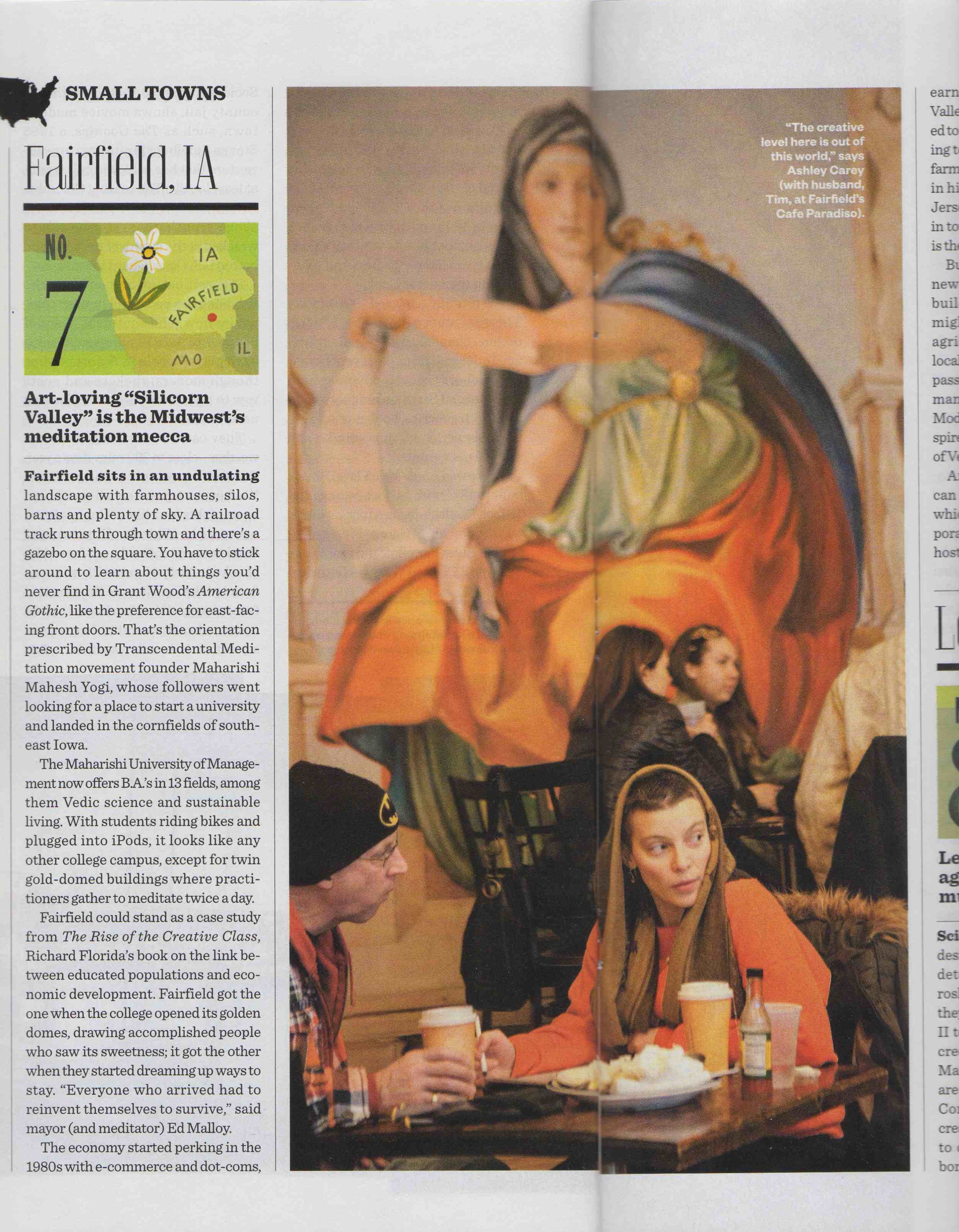
Here is a scan of part of the two-page spread in the print edition of the Smithsonian magazine. At the top is a wonderful photo Charles “Stretch” Ledford took inside Café Paradiso of the mural in the background and a couple having coffee in the foreground. The head covering and look on the face of the lady at the table matches the shawl covering the head of the female artist in the mural behind her. They share the same sideways glance to the left, and even share the same orange color on their clothing! Stretch said: “I had my lens trained on her and kept the composition for at least 10 minutes, probably 15 +, waiting for her to turn just the right way.  I have about a dozen or so shots, but knew the winner would be when she turned.  Eventually she did, I was lucky enough to still have my finger on the shutter, and I made the shot.”

Smithsonian-Fairfield

Celebrating Paul Horn and his Contribution to Jazz, World Music, Meditation and Spirituality

March 20, 2013

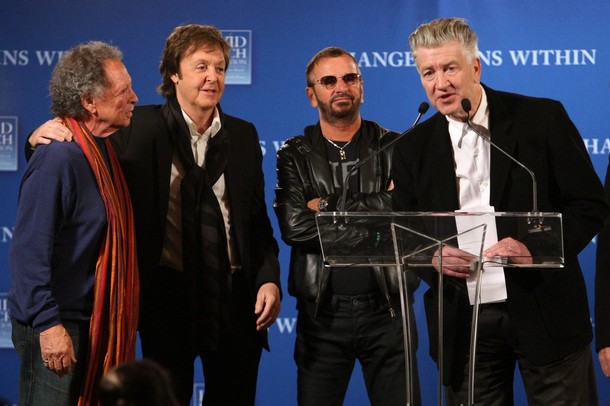
Paul Horn, Sir Paul McCartney, Ringo Starr and David Lynch attend the press conference for the David Lynch Foundation “Change Begins Within” Benefit Concert at Radio City Music Hall on April 3, 2009 in New York City. (Photo by Bryan Bedder/Getty Images)

It was St. Patrick’s Day on Sunday, March 17, 2013. It was also Paul Horn’s 83rd birthday, and I had sent around an email about it with links to Paul’s participation (:55–1:22) in the Change Begins Within Press Conference Highlights from Radio City Music Hall in NYC, April 3, 2009, and the concert the following night. Here’s an overview of the Change Begins Within Press Conference and musical Paul McCartney & Ringo Starr Concert Highlights. This is a great collection of concert clips and interviews, and DLF school clips: Paul McCartney and Ringo Starr Collaborate for Meditation in Schools. PBS later aired an edited version.

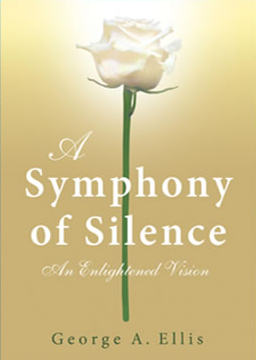
A Symphony of SilenceI also read an interview with Paul Horn in the first chapter of A Symphony of Silence: An Enlightened Vision by George A. Ellis. Paul spoke about his philosophy of music and improvisation, how he communicated musically with a killer whale at an aquarium in Victoria, BC, and in Hawaii. He also spoke about his own spiritual quest, how he started Transcendental Meditation and met Maharishi Mahesh Yogi. He discussed how he was invited to join a course in India with Maharishi and his experiences there. George Ellis also asked Paul questions about his becoming a TM teacher in those early days, and also playing his flute in the Taj Mahal. It’s a great interview, and a wonderful way to start the book! It got me hooked.

Rolf Erickson, editor-in-chief of Enlightenment, The Transcendental Meditation Magazine, emailed to say there’s an excerpt of the interview with Paul Horn in the latest issue, number 11, called The Music of Meditation. In it, George cites a beautiful quote from Paul’s own book, Inside Paul Horn: The Spiritual Odyssey of a Universal Traveler, highlighted at the top of the article: “We are traveling in historical time, from the present to the distant past. We are traveling inwardly as well, through the music of meditation.” Rolf also contributed an article about George Ellis, Sharing the Symphony of Silence, describing what he had accomplished as a TM teacher and entrepreneur, and his heartfelt tribute to Maharishi with this book. Visit http://asymphonyofsilence.com.

Here is an excerpt from the book A Symphony of Silence by George Ellis on Paul Horn and the Music of Meditation published in Enjoy TM News.

Here’s an earlier post from a few years ago: Iconic Jazz Musician Paul Horn Performs Inside MUM’s Golden Dome in Historic Concert May 15. The concert was in the context of a Symposium on Music and Consciousness during which Paul Horn was honored for his lifelong contribution to music, as a jazz musician and Father of New Age Music; and consciousness, as a longtime teacher of Maharishi’s Transcendental Meditation technique. Paul taught thousands of people to meditate in the 70’s. Here is Paul’s great talk at that Symposium: Improvisation: The Ultimate Art of Self-Expression — Paul Horn at MUM. Click here to see all of the Lecture and Performance Videos including Q & A.

During his visit to MUM and Fairfield, Jo Ann Gesner interviewed Paul for an article, Paul Horn: Improvisation from the Inside Out, published in Enlightenment Magazine’s 6th issue as Inside with Musician Paul Horn, with a beautiful photo that Jo Ann took of Paul and his wife, Ann Mortifee, in front of the mural painted by Lynne Teeple in Café Paradiso.

This video, Inside Paul Horn, is an overview of Paul Horn’s career. Originally titled, Inside Paul Horn Special Edition, it includes clips from Story of a Jazz Musician – David Wolper Presents, and was uploaded on Jan 14, 2011 by annmortifee. It seems to have been taken down now but you can see the full 3-part film here.

For more on the music of Paul Horn and Ann Mortifee, visit http://paulhornmusic.com and http://annmortifee.com.

Listen to Monica Hadley interview George A. Ellis on KRUU’s Writer’s Voices – 20130712 and how his book Symphony of Silence came about. Also posted on Writer’s Voices website.

See my Haiku With My Muse, Sali, inspired by Paul Horn.

See Snapshots: Paul Horn in Conversation: History & Influences.

Paul Horn died June 29, 2014. There were many memorial articles about the jazz flutist, composer and creator of new age music who also became a teacher of  Maharishi’s Transcendental Meditation at his ashram in Rishikesh, India. He taught thousands to meditate in the United States and returned to make a film about Maharishi when the Beatles happened to be there to learn more about TM at his ashram. The Guardian announced his passing: Paul Horn, father of new age music, dies aged 84, then published a more detailed obituary.

Update July 4, 2020: A Symphony of Silence: An Enlightened Vision: 3rd Edition Abridged Paperback – June 28, 2020 and Kindle Edition. Also available in Spanish as Sinfonia del Silencio.

Diane Vance and Norman Zierold discuss his new memoir, That Reminds Me, at Revelations Café

March 12, 2013

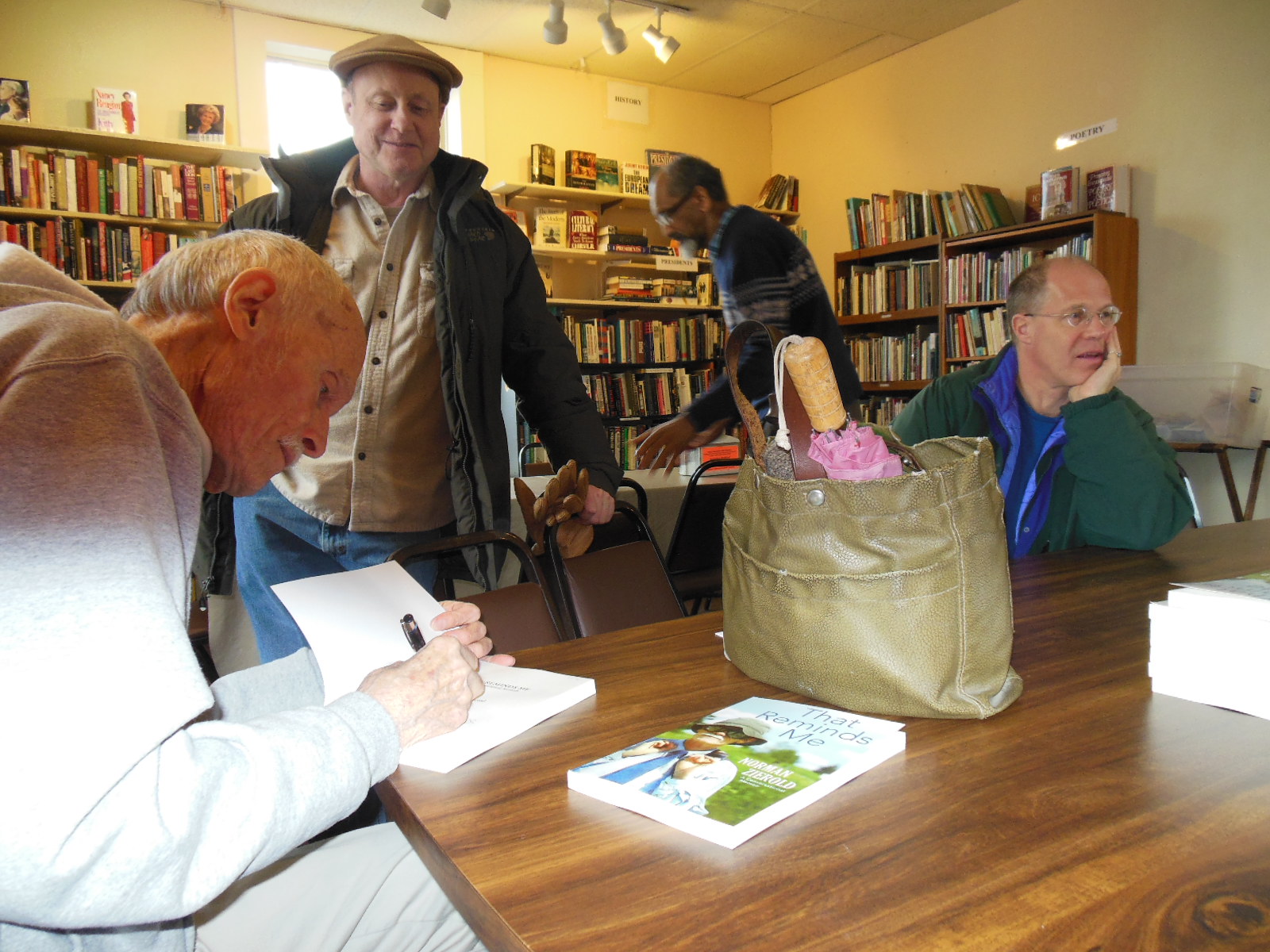
Norman Zierold, author of “That Reminds Me,” autographs one of his books for Peter Ecob Saturday at Revelations Café, after a book discussion. Freddy Fonseca, center, pushes in a chair after attending Zierold’s interview while Terry Weiss, seated, talks with others across the table.

Norman Zierold, author of “That Reminds Me,” autographs one of his books for Peter Ecob Saturday at Revelations Café, after a book discussion. Freddy Fonseca, center, pushes in a chair after attending Zierold’s interview while Terry Weiss, seated, talks with others across the table. Photo by Diane Vance

Fairfield author talks about recent work

By DIANE VANCE
Ledger staff writer
Tuesday, March 12, 2013

More than a dozen people attended a book discussion Saturday featuring Fairfield author Norman Zierold talking about his latest publication, “That Reminds Me.”

An Iowa native, born and raised in the Amana Colonies, Zierold has written and published eight books, but this latest, subtitled, “A Conversational Memoir,” comes 40 years after his seventh book, “Sex Goddesses of the Silent Screen.”

Those first seven books, beginning with “The Child Stars,” published in 1965, mostly deal with Zierold’s first-hand encounters, insights and research about authors, stars of stage and movies, his life and work in New York and Hollywood.

Zierold moved to Fairfield more than a decade ago and works at Maharishi University of Management.

“For about 50 years, people have said I should write a memoir,” he said. “I was always doing other things. I moved to Fairfield — though I’d been in and out of here before — and it took a couple years to begin writing.”

Having committed words to paper, he wasn’t sure how to get it all together in a readable fashion. He asked a co-worker and friend, Ken Chawkin, for help.

“Ken helped me get it all on my computer so I could manage it,” said Zierold.

“I always felt like I’d do a memoir; I knew I had one more book inside. Everyone has one book in them — everyone has ups and downs, traumas and experiences, and if presented well, it makes an interesting read. Everyone has a book,” he said.

So while Zierold happily drops names throughout his memoir, it is not about bragging or a “kiss-and-tell” expose.

Rather, Zierold keeps the little-boy wonder of the Iowa farm kid who spoke only German in his youngest years and relates everyday incidents, family dynamics and serendipitous meetings with the likes of Andy Warhol, Dylan Thomas, T.S. Eliot, E.E. Cummings, Anais Nin, Groucho Marx and many more.

Working for nearly a decade in New York City at Theatre Arts Magazine, Zierold’s job included interviewing Noel Coward and others, attending theatre productions and rubbing elbows with intellectuals, playwrights and celebrities at Sardis.

Even before his magazine job, his service to country and Navy uniform got him in to see performances of Ethel Merman, Edith Piaf and Mae West— including a back-stage meeting with her after the show.

Anthony Quinn hired Zierold to help him organize writing his autobiography. Part one took place around Los Angeles, with Quinn’s favorite retreat for working on his writing in California’s Death Valley. Part two took Zierold on a six-week encampment in Libya in 1979 while Quinn was shooting a movie on location in the Sahara Desert.

Zierold’s second book, “Little Charlie Ross,” published in 1967, is a true crime story about the first kidnapping for ransom in America in July 1874. His book landed Zierold an interview on the “Today Show” in New York, with Barbara Walters.

While studying for a master’s degree in English at the University of Iowa, Zierold was alone in a faculty lounge when the Welsh poet Dylan Thomas walked in.

“He was lecturing classes there for awhile, and he walks in and we have a visit, then I hear him again when he’s teaching the class,” said Zierold. “His reading of poetry is incomparable.”

Zierold is an avid reader. Before the book discussion began Saturday, he was perusing the biography bookshelves at Revelations Café while his audience gathered.

“I grew up reading, and especially liked Scott Fitzgerald and Ernest Hemingway,” he said. “Now I read biographies.”

He refers to Voltaire and Henry James as other favorites.

“I would encourage anyone to write,” he said. “Writing has a rhythm. Write without censoring yourself. Put it all in — you can take it out later. But if you leave it out and think you’ll go back to put something in later, it can interrupt the flow and not fit. It’s much easier to take something out than add it later.”

“That Reminds Me,” is a memoir, but it is not written in a chronological fashion. Zierold “puts it all in there,” and lets it flow as a conversation with a friend — this thought leads to another topic; that incident reminds him of another story.

Reading the slim paperback gives a full glimpse of a life, as he wrote in Chapter Five: “These digestible portions of prose will add up in time to a fully drawn portrait, just you wait and see. It will be like nature’s unfolding of a rose, petal by petal.”

Zierold writes about cocktail parties and gala weekends spent at various friends homes, at the shore or in Mexico. He writes about eventually asking himself if getting high, waking with hangovers and being witty at parties is all there is?

He relocates from L.A. to nearby-but-a-different-world, Laguna Beach. He describes the town’s peacefulness and incomparable beauty and power of the Pacific Ocean.

He sees a poster about Maharishi Mahesh Yogi and decides to attend a meeting, where he meets young people who have learned Transcendental Meditation. At age 45, Zierold discerns meditation seemed to work for them, so he signs up to learn TM in 1972. It is a quiet, gradual transformation for Zierold that leads to transcendence, bliss and months of euphoria, then becoming a TM teacher himself. He adds more travels to his passport and continues learning.

One of the gems among the jewels in this book is Zierold’s story about his own father and their relationship as adults.

Zierold asks questions about life and offers some answers.

Posted with permission from The Fairfield Ledger. This article was featured prominently on the front and back pages.

Here’s an earlier announcement Diane Vance wrote Thursday, March 7 on the upcoming book discussion and signing at Revelations Café.

Author speaking about new book

Iowa native and Fairfield resident since 2002, Norman Zierold, will talk about his latest book, “That Reminds Me,” at 2 p.m. Saturday upstairs at Revelations Café in Fairfield.

Everyone is welcome to this meet-the-author session.

This is Zierold’s eighth book, which he’s subtitled, “A Conversational Memoir.” Reading it is nearly like having a conversation with him. He tells stories from his days of rubbing elbows with celebrities, including authors, artists, movie stars, Broadway stars, TV stars, news anchors and more.

Saturday provides an opportunity to have an actual conversation with Zierold. A time for questions and answers is planned.

Born and raised in the Amana Colonies, Zierold enlisted in the navy, graduated cum laude from Harvard and earned a master’s degree in English Literature at the University of Iowa.

He always wanted to write, but also travel, and he spent two years in France on a French Government Teaching Assistantship. After Paris, he spent a decade in New York City, teaching at Brearley School and working at Collier’s Encyclopedia before landing rewarding assignments with Theater Arts Magazine and Show.

His first book, “The Child Stars,” was published in 1965 and is available at the Fairfield Public Library. It features stories about the child stars of the 1920s and 1930s, including Shirley Temple, Mickey Rooney and Judy Garland.

Other books followed: “Little Charlie Ross,” in 1967; “Three Sisters in Black,” in 1968, which won a Special Edgar Allen Poe Award; “The Moguls,” and “Garbo,” both in 1969; “The Skyscraper Doom,” in 1972; and “Sex Goddesses of the Silent Screen,” in 1973.

His books run the gamut of true crime novels, tales of Hollywood’s golden age in the 1940s and 1950s, and science fiction.

Posted with permission from The Fairfield Ledger.

For more information and other articles and interviews on Norman, see: That Reminds Me: A Conversational Memoir by Hollywood biographer Norman Zierold is now out!Norman Zierold: Hollywood biographer, novelist, TM Teacher, member of Maharishi’s Purusha program, raconteur, publicist, beloved by all

Maharishi University Students Win National Collegiate Hackathon Competition, Visit Silicon Valley High Tech Companies

March 9, 2013

Fairfield, Iowa: Maharishi University Computer Science students were among 10 finalists in a national collegiate hackathon competition to win a trip to Silicon Valley. During their visit they met with high tech leaders from 15 companies.

Hackathons are growing in popularity. Companies like Facebook, Google, and now the White House have employed this strategy to come up with innovative software solutions to problems. Last month a company called HackerRank announced a national collegiate computer-programming competition. Over 400 students from the nation’s top schools participated in the hackathon. Contestants were given 24 hours to complete six challenges. Some of the high tech companies sponsoring the competition were Amazon, Facebook, Twitter, and Dropbox.

MUM students Khongor Enkhbold and Khasan Bold were among top ten finalistsin a National Collegiate Hackathon Competition who won a trip to Silicon Valley

MUM students Khasan Bold and Khongor Enkhbold were two of the top ten finalists in a National Collegiate Hackathon Competition to visit Silicon Valley

Two students from Maharishi University of Management’s Masters in Computer Science program went up against students from tech titans Carnegie Mellon, Harvard, Princeton, Purdue, MIT, University of California-Berkeley, and both made it into the top ten. Khongor Enkhbold placed 5th and Khasan Bold, 7th. The top ten final positions were: 3 from Berkeley, 2 each from Harvard and MUM, and 1 each from UCLA, Purdue, and Nebraska.

All finalists earned an all-expenses-paid trip to Silicon Valley where they met with tech professionals from 15 top companies. They had to sign nondisclosure agreements before entering each company and were not allowed to take any pictures because of work posted on the walls.

“We visited about 15 companies like Facebook, Twitter, LinkedIn, Palantir, Rocket Fuel, OpenTable, Dropbox and others,” said Khasan Bold. “We saw Mark Zuckerberg and also met with D’Angelo, the CEO and the founder of Quora.”

When they visited LinkedIn they noticed their neighbors, Google and NASA. Khasan remarked on “one cool thing—Google supports the entire city of Mountain View with Wi-Fi. That means we could have accessed Google’s Wi-Fi from anywhere in town!”

He noted that almost every company they visited provided many games for their employees to play like PlayStation, Foosball, Ping Pong, Billiards, as well as a lot of free food and drinks.

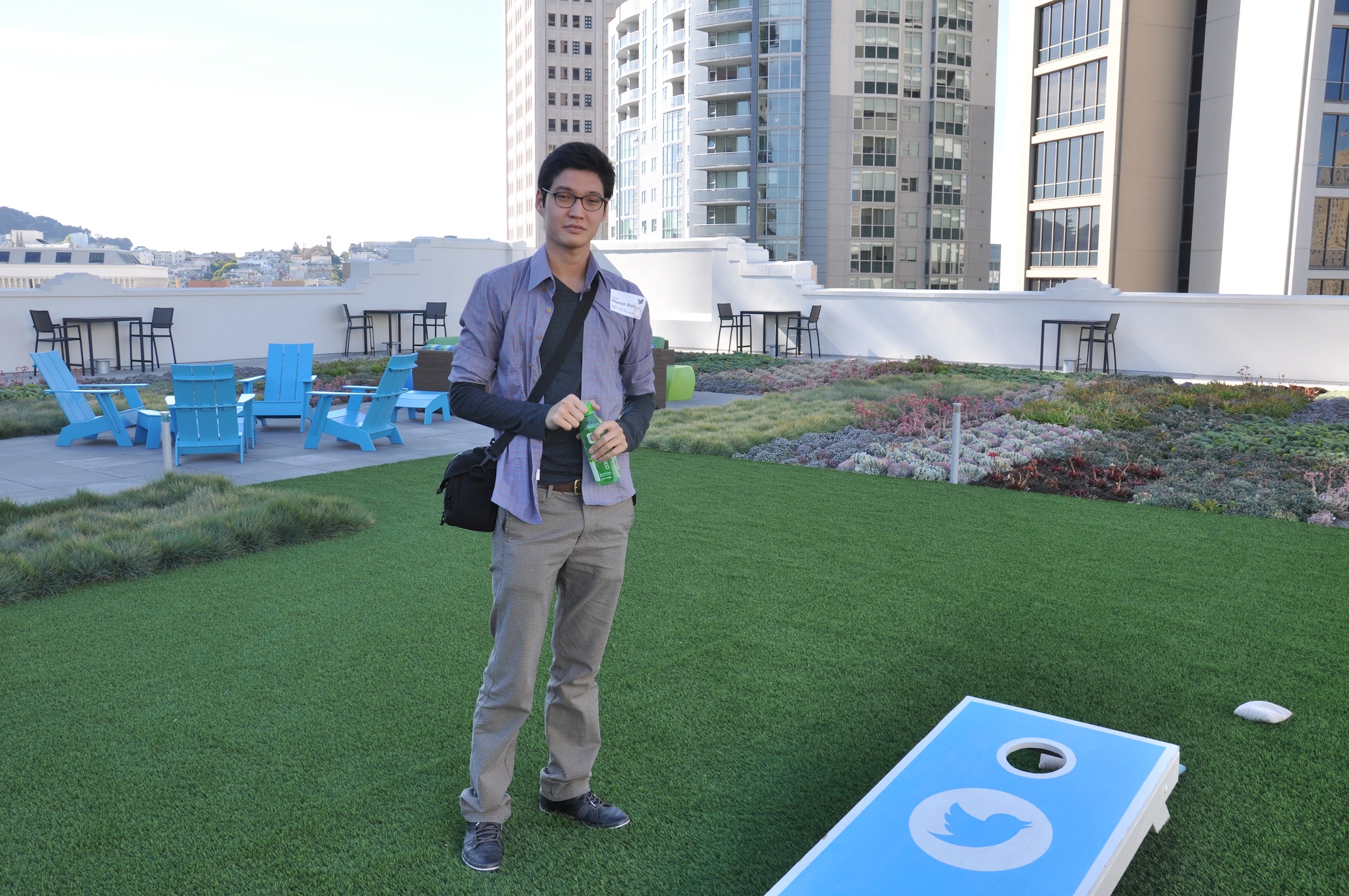
Khongor Enkhbold at Twitter headquarters. Note the logoed lawn game and color-coordinated deck furniture.

Khasan Bold at Twitter headquarters. Note the logoed lawn game and color-coordinated deck furniture.

They also took time to speak with employees at Twitter. Khasan said the trip gave him a “real quick screenshot of the top US IT companies” and hopes it will help him find his future job here in the US.

Khongor and Khasan have won computer-programming competitions before. In 2010 they were on a 3-person team that took the championship cup for all of Mongolia. In 2009, they won bronze medals in the ACM International Collegiate Programming Competition, sponsored by IBM, in the Asian region in Shanghai, China. In 2010 and 2011, Khongor also won bronze and silver medals with different teammates at the same venue. When asked why they compete in these events, Khongor replied, “We don’t compete because we need to… We compete because we love to!”

Khonger Enkhbold and Khasan Bold have their picture taken by San Francisco’s Golden Gate Bridge during their trip to high-tech companies.

Khasan Bold and Khongor Enkhbold by San Francisco’s Golden Gate Bridge during their trip to Silicon Valley’s high-tech companies.

Khasan and Khongor heard about Maharishi University from their friends. They applied to the MS in Computer Science because of the unique opportunity MUM affords its students in gaining practical IT experience with high-level US companies, as well as the cutting-edge curriculum offered by the University’s top faculty. They also found Fairfield, Iowa to be a peaceful, creative city making it an ideal place to study.

Founded in 1971, Maharishi University of Management (MUM) is a unique private institution that offers Consciousness-Based℠ Education, a traditional academic curriculum enhanced with self-development programs like the Transcendental Meditation® technique. Students are encouraged to follow a more sustainable routine of study, socializing and rest without the typical college burnout. All aspects of campus life nourish the body and mind, including organic vegetarian meals served fresh daily. Located in Fairfield, Iowa, MUM is accredited by The Higher Learning Commission and offers bachelor’s, master’s, and doctoral degrees in the arts, sciences, humanities, and business. Visitors Weekends are held throughout the year. For more information, call the Admissions Office at 800-369-6480 or visit http://www.mum.edu.

PRWeb press release posted March 09, 2013, 9:40 a.m. CST: MUM Computer Science Students Win National Collegiate Hackathon Competition and Trip to Silicon Valley.

For more information on Khasan and Khongor, see the Computer Professionals Newsletter announcing their win.

See Maharishi University Computer Science Students Continue to Solve Problems and Win Competitions.

Craig Pearson interview and articles on awakened consciousness, transcendence and enlightenment

February 22, 2013

Since the theme of The Uncarved Blog deals with Transcendental Meditation, consciousness & enlightenment, and poetry, I’d like to introduce someone to you who has been studying these ideas in great people’s lives for some time now and has complied them all in a book.

Craig Pearson-EECraig Pearson, Ph.D., is the author of the forthcoming book, The Supreme Awakening, Experiences of Enlightenment Throughout Time — And How We Can Cultivate Them. He has spent many years researching the expression of higher states of consciousness in the writings of great philosophers, saints, scientists, artists, and writers. 

Dr. Pearson is the Executive Vice-President of Maharishi International University in Fairfield, Iowa. He has served the University in a variety of roles over the past 33 years, (42 years, updated 2022) including Dean of Faculty, Dean of Students, Director of Maharishi University of Management Press, Director of Freshman Composition, and Professor of Professional Writing.

In this interview for Issue 5 of Enlightenment Magazine, Linda Egenes asks Craig Pearson about humanity’s age-old quest for enlightenment. Dr. Pearson highlights his answers with examples of exceptional people throughout history who had described experiences of higher states of consciousness. It was originally titled, The Quest for Enlightenment: Transcendence in the Lives of Great Seers and Thinkers. Linda also posted the text of the article on her blog. It was later republished in the newer Enjoy TM News, The Transcendental Meditation magazine: Exploring Higher States of Consciousness, the Ultimate Goal of Meditation. How to cultivate the state of enlightenment

Some of the people mentioned in the article are available in a list of quotes complied on the TM Blog in an Author Archive. Click on each quote and it will take you to an article about each one, and many more.

Enlightenment: What is the relationship of enlightenment and human potential?

Dr. Pearson: Enlightenment is a term that has been used for thousands of years, in traditions east and west, to refer to the most fully developed expression of human potential, far beyond the ordinary.

Enlightenment: How common is it?

Dr. Pearson: Although this extraordinary experience has been described by individuals in different cultures over the millennia and is celebrated in the world’s spiritual traditions, it seems to be exceedingly rare. But obviously it lies within the realm of human potential.

Enlightenment: What has Maharishi contributed to the understanding of enlightenment?

Dr. Pearson: Maharishi Mahesh Yogi is often credited with reintroducing the concept of enlightenment in a systematic manner in our modern age. He has put forward a comprehensive understanding of enlightenment that embraces the great traditions and thinkers who have described this experience across time. Maharishi was also the first to promote scientific investigation into enlightenment, bringing the phenomenon of spiritual development into the arena of modern science.

Enlightenment: How does Maharishi describe enlightenment?

Dr. Pearson: For Maharishi, enlightenment is the ultimate development of one’s inner potential as a human being. It means being established in the highest state of human consciousness.

Enlightenment begins with experiencing the reality of your innermost Self as unbounded and eternal and being established at that level. This means the consciousness of an enlightened person is no longer subject to the ups and downs of emotions, mind, and body but steadfast, anchored in inner silence.

Enlightenment brings the ultimate unfoldment of one’s creativity and intelligence. It means living in harmony with all the laws of nature and easily fulfilling your desires. It means being of maximum use to yourself and others and creating a powerfully nourishing effect in one’s environment.

At the highest stage, enlightenment means experiencing the universe as the expression of your unbounded Self. It is a state of perpetual freedom and bliss, supreme fulfillment.

Enlightenment: Can we relate this in any way to our day-to-day experience?

Dr. Pearson: Although this vision of human development may seem idealistic, we have all had experiences in this direction. Some days we just feel happier inside, more appreciative of others—life is easier, fuller, richer, and more rewarding. We may have moments of enhanced mental clarity or heightened levels of creativity, when we surprise ourselves with how quickly the solution to a problem may come. Athletes sometimes experience the zone—periods of peak performance that are effortless and euphoric.

At these times we are using a bit more of our potential. But enlightenment is far, far more than this. It goes far beyond just having a good day. People who have had experiences of enlightenment report that words simply cannot capture the sublimity of the experience.

Enlightenment: You have researched how individuals from different historical epochs and different parts of the world have shared this same experience. Can you talk about that?

Dr. Pearson: In traditions throughout time we find remarkably similar descriptions of this extraordinary experience of human life lived to its fullest—in the writings of great philosophers, religious figures, artists, scientists, and writers, as well as in the great religious traditions of the world. The terminology may vary from tradition to tradition and age to age. But when you have the clear and precise description of enlightenment provided by Maharishi, it becomes easy to appreciate what these people are talking about.

Enlightenment: So the experience is universal?

Dr. Pearson: Yes. And the recognition that many have shared this experience throughout history is not new either. Some scholars have called it the perennial philosophy or the primordial tradition. The perennial philosophy holds that although various spiritual and philosophical traditions appear different on the surface, at their core all traditions share common, universal principles.

Enlightenment: What are these universal principles?

Dr. Pearson: The perennial philosophy has three basic tenets: (1) Underlying the diversity of the world is a field of unity. (2) We can subjectively experience this field of unity deep within us. (3) The purpose of life is ultimately to experience and live this inner, divine reality of life.

This inner field goes by different names. Laozi called it the Tao. Plato called it the Good, the One, and the Beautiful. Aristotle called it Being. The Greek-Roman philosopher Plotinus called it the Infinite. In Judaism it is called Ein Sof, in Christianity the kingdom of heaven within. In more modern times, Ralph Waldo Emerson called it the Oversoul.

These different names are not referring to mere philosophical or spiritual ideals. They point to the inner reality of life—a reality that can be experienced directly and, when experienced, brings fulfillment beyond words.

Enlightenment: How does Maharishi talk about this inner field?

Dr. Pearson: Maharishi characterizes it as an unbounded field of pure consciousness, an all-pervading ocean of creativity, intelligence, and bliss, beyond space and time. Maharishi asserts, moreover, that this field of pure consciousness is identical with the unified field of natural law that modern physics describes mathematically. Thus the inner field that gives rise to all our thoughts and feelings is the same field that gives rise to the entire universe.

Enlightenment: And we can experience this inner field of pure consciousness?

Dr. Pearson: Every human being has the natural ability to experience this field. It simply requires “diving within,” allowing the mind to settle inward, beyond the thinking process. This is called transcending.

People throughout history have described and celebrated this experience. It is a simple and natural experience—but by most accounts seems to be rare and fleeting. People have lacked a technique for experiencing it systematically. This is the gift Maharishi has given us—the Transcendental Meditation technique, a simple, natural, effortless procedure by which anyone can dive within at will.

Until Maharishi started teaching in the West, the understanding of how to transcend had for the most part been lost. The Transcendental Meditation technique, which has its origin in the ancient Vedic tradition, provides direct experience of pure consciousness. It is easy to learn and practice, validated by hundreds of scientific research studies, and practiced by millions of people throughout the world.

Read the rest of this fascinating article, which includes experiences from Rabindranath Tagore; Alfred, Lord Tennyson; Hakuin Ekaku; and a woman known as Peace Pilgrim.

Many other experiences have also been written up by Dr. Pearson and posted on the TM Blog. Here they are, from recent to earlier posts:

‘Freedom and Self-Realization’: Excerpts from Jack Forem’s book on TM
Howard Thurman: Experiencing “the Great Silence” within us
Rabbi Abraham Isaac Kook: Connecting with the “deep soul”
The Buddha: Rapturous Joy Transcending Any Other
Meister Eckhart: It is in the purest thing that the soul is capable of
D.H. Lawrence: Sitting in a Timeless Stillness
St. John of the Cross: Transcending all knowledge
William Wordsworth: We are laid asleep in body, and become a living soul
Emily Dickinson: The Soul’s Superior instants
Albert Einstein: There is Neither Evolution nor Destiny; Only Being
Zhuangzi: Why don’t you try wandering with me to the Palace of Not-Even-Anything
St. Teresa: A state of great quiet and deep satisfaction
Johannes Brahms: In tune with the Infinite
Rumi: I have passed beyond all thoughts
Plato: And this state of the soul is called wisdom
Jesus: The kingdom of God is within you
Henry David Thoreau: We become like a still lake of purest crystal
Ralph Waldo Emerson: Within man is the soul of the whole; the wise silence; the universal beauty
Walt Whitman: The luminousness of real vision
Alfred, Lord Tennyson: A state of transcendent wonder
Helen Keller: I feel the flame of eternity in my soul
Laozi: His mind becomes as vast and immeasurable as the night sky
 

Update: Craig Pearson’s book, The Supreme Awakening, is now available. Executive Vice President Dr. Craig Pearson was interviewed on KHOE’s “A Chat With The Dean” by Dr. Cathy Gorini on his new book, “The Supreme Awakening – Experiences of Enlightenment Throughout Time, and How You Can Cultivate them.”

Listen to a presentation Dr. Pearson gave in Dalby Hall on the book, which was recorded for broadcast by KHOE.

Listen to Dr. Pearson on KRUU FM, Writers’ Voices recorded Feb 21, 2014.

Listen to Craig Pearson on KRUU FM show, Writers’ Voices, discussing his new book, The Supreme Awakening.

Here is a video of Dr. Pearson’s recent presentation on his book, The Supreme Awakening, in Dalby Hall on the MUM campus seen on the MaharishiUniversity channel.

Craig Pearson has since updated his book with new entries. Here is an informative interview by Jeanne Ball, April 20, 2016, in the Huffington Post: The Supreme Awakening: What Did Buddha, Emerson, Einstein and Saint Teresa Have in Common?

Guest blogger and author William T. Hathaway reviews Craig Pearson’s book, The Supreme Awakening.

Other talks on this topic by Craig Pearson are available in this MIU Webinar at Dalby Hall published in Enjoy TM News and this interview on TM Talks.

Mar 4, 2024: Simplest State‘s Ron Decter interviewed Craig Pearson, Author: “The Supreme Awakening: Experiences of Enlightenment Throughout Time”.

Excellent article by Tom Jacobs on Meditation: Strong Preventative Medicine for Heart Patients

November 14, 2012

Meditation: Strong Preventative Medicine for Heart Patients

New research finds major health benefits of meditation for African Americans with heart disease.

November 13, 2012 • By for Pacific Standard

Meditation is usually thought of as a practice of healthy, well-off white people and Asians. But newly published research suggests it can produce hugely significant health benefits in a very different demographic group: African Americans with heart disease.

A study of that followed 201 African Americans for an average of five years found those who meditated regularly were far more likely to avoid three extremely unwelcome outcomes. Compared to peers participating in a health-education program, meditators were, in that period, 48 percent less likely to die, have a heart attack, or suffer a stroke.

“It appears that Transcendental Meditation is a technique that turns on the body’s own pharmacy—to repair and maintain itself,” said Dr. Robert Schneider, the paper’s lead author and director of the Institute for National Medicine and Prevention at the Maharishi University of Management in Fairfield, Iowa. His research is published in the American Heart Association journal Circulation: Cardiovascular Quality and Outcomes.

The paper was originally scheduled to be published in 2011 in the journal Archives of Internal Medicine, but was withdrawn just before being posted “to allow time for review and statistical analysis of additional data.” The AHA’s Maggie Francis reports that the paper “went through peer review, statistical review, editorial discussions, and the authors of the article were responsive to the review process.”

While, two decades ago, research from Maharishi University was often regarded with skepticism, the institution is now well-regarded for its scholarly work.

Schneider and his co-authors undertook this research in part because African Americans “suffer from disproportionately high rates” of mortality due to cardiovascular disease. As we have reported, this may in part reflect high stress levels, the result of living in a society where racial prejudice continues to linger.

The study was conducted at the Medical College of Wisconsin in two phases: From 1998 to 2003, and from 2004 to 2007. Participants were African Americans whose blood flow to the heart was seriously obstructed. Specifically, at least one of their coronary arteries had been narrowed by at least 50 percent.

The patients’ mean age was 59; almost half reported an income of under $10,000. Males slightly outnumbered females. Around 40 percent were cigarette smokers; their mean body mass index was just over 32, making them, on average, clinically obese.

They were randomly divided into two groups. Half took part in a cardiovascular health education program, in which they “were advised to spent at least 20 minutes a day at home practicing heart-healthy behaviors,” including exercise and eating healthy food.

The others were taught the technique of Transcendental Meditation, and encouraged to engage in this activity for 20 minutes each day. “Follow-up and maintenance meetings were held weekly for the first month, biweekly for the next two months, and monthly thereafter,” the researchers write.

The researchers followed up on the participants an average of 5.4 years after they initially joined the experiment. They found those in the meditation group were 48 percent less likely than their peers to have suffered one of three negative outcomes: a heart attack, a stroke, or death from any cause.

“There was a significant association between regularity of home (meditation) practice and survival,” the researchers report. “The subgroup of subjects who were regular in their TM practice had a 66 percent risk reduction, compared with the overall sample risk reduction of 48 percent.”

Regular meditators also reduced their blood pressure, on average, and reported feeling less anger than they did before beginning the experiment.

“This trial did not address the effects of other mind-body, meditation-type interventions on clinical events,” the researchers note. So it’s not clear if these apparent health benefits were the result of some specific aspect of Transcendental Meditation, or would apply to any regimen involving deep breathing and clearing one’s mind.

Nevertheless, as the researchers note, this appears to be the first randomized, controlled trial to find the risk of mortality, heart attack and stroke declined “with the individual practice of a relatively simple mind-body intervention.”

It’s some of the clearest evidence yet that reducing stress through regular meditation can have a positive effect on one’s physical health.

About Tom Jacobs
Staff writer Tom Jacobs is a veteran journalist with more than 20 years experience at daily newspapers. He has served as a staff writer for The Los Angeles Daily News and the Santa Barbara News-Press. His work has also appeared in The Los Angeles Times, Chicago Tribune and Ventura County Star.
###

Transcendental Meditation May Lower Heart Risk: WebMD Heart Disease Health Center

November 13, 2012

Heart Disease Health Center

Transcendental Meditation May Lower Heart Risk

By 
WebMD Health News
Reviewed by Louise Chang, MD

Nov. 13, 2012 — Transcendental Meditation is good for the heart, according to a new study.

The study was funded by the National Institutes of Health. It found that African-Americans with heart disease who regularly practiced TM reduced their risk of death, heart attack, and stroke by 48%.

Researcher Robert Schneider, MD, says those results should apply to the general population. Schneider is director of the Institute for Natural Medicine and Prevention at the Maharishi University of Management (MUM) in Fairfield, Iowa.

“This taps into a universal physical phenomenon that is not related to race, age, culture, etc.,” Schneider says. “This state of restful alertness has restorative benefits for everyone. It’s a way to utilize the body’s own internal pharmacy.”

TM is a trademarked form of meditation. It requires training by a certified teacher to “settle inward” to a place called “transcendental consciousness.” The technique is one of the two pillars underlying education at the Maharishi University of Management, according to the school’s web site.

Health Benefits of TM

The study was a collaboration between MUM and the Medical College of Wisconsin in Milwaukee. Researchers recruited 201 African-American men and women whose average age was 59 and who were generally considered obese.

All of the participants previously had been diagnosed with heart disease. Many of them were current smokers. African-Americans, says Schneider, have a 35% higher risk of dying from heart disease than the general population.

The people in the study were divided into two groups. While both groups continued to receive standard care and medication for heart disease, the study group attended a seven-step course in TM. The people in that group were then instructed to meditate twice a day for 20 minutes for the duration of the study.

Schneider says that the program was standard for TM practitioners and had not been modified for the study.

The comparison group received conventional health education. The people in that group were told to spend at least 20 minutes a day on heart-healthy activities.

Members of both groups were followed for as long as nine years.

In addition to reducing the risk of death, heart attack, and stroke by nearly half, TM also significantly lowered systolic blood pressure, the top number in a blood pressure reading.

Anger control and overall anger also improved. Those who entered the study with either high blood pressure or high stress benefited the most from meditation.

“What this is saying is that mind-body interventions can have an effect as big as conventional medications, such as statins,” says Schneider.

The TM group was expected to meditate 14 times per week. But the researchers found that on average participants only practiced the technique 8.5 times.

They would have done well to stick to their instructions. Those who followed the study guidelines more strictly, Schneider says, had even greater benefits. Their risk reduction was 66%.

Second Opinion

“In cardiology, we are always impressed when we see any effective intervention,” says cardiologist Michael Shapiro, DO, of Oregon Health and Science University in Portland. “But to actually show a reduction in overall mortality — that is really impressive.”

Shapiro, who reviewed the study for WebMD, says that its design appears scientifically rigorous and that its results are likely valid. But he says the study was too small to draw any definite conclusions.

“I am enthusiastic and cautiously optimistic,” says Shapiro. “Overall, I like the study, and it provides justification for a much larger study.”

Shapiro, who practices a different form of meditation, also says that more needs to be learned about what drives these results. He says the reduction in blood pressure, while significant, is likely not enough to account for all of the study’s positive outcomes.

“Meditation can do a whole host of positive things: reduce anger and stress, encourage happiness,” he says. “Who is to say that these are not the most important factors? This study can’t get at the mechanism involved. We don’t know how it works.”

A Cost-Effective Means of Prevention

Transcendental Meditation, says Schneider, is “a simple, effortless, and natural way to settle down to a quiet state of mind.”

But it is not free. According to the Maharishi Foundation USA’s web site, the seven-part introductory TM course that the study participants attended costs $1,500. Financial aid and sliding scale fees are available to those who can’t afford the full amount.

To Schneider, this study shows that TM is a cost-effective means of prevention.

“This is the strongest study ever done on meditation or any mind-body intervention for cardiovascular disease,” he says.

In July 2011, the study was pulled from publication in Archives of Internal Medicine, a last-minute decision made when one of the journal’s reviewers raised questions about the data. Schneider says that in the intervening time, the data was re-analyzed. Also, new data was added and the study underwent an independent review.

“This is the new and improved version,” Schneider says. It appears in the current issue of Circulation: Cardiovascular Quality and Outcomes.

Note: Check November 20 when the next issue comes out in print: http://circoutcomes.ahajournals.org.

Also see: Transcendental Meditation may reduce death, heart attack and stroke in heart patients—AHA

Science Codex: Meditation may reduce death, heart attack and stroke in heart patients

Meditation could slash the risk of heart attack and stroke (and make you less angry) — Daily Mail

Transcendental Meditation may reduce death, heart attack and stroke in heart patients—AHA

November 13, 2012

Meditation may reduce death, heart attack and stroke in heart patients

November 13, 2012

Study Highlights:

  • Twice-a-day Transcendental Meditation helped African Americans with heart disease reduce risk of death, heart attack and stroke.
  • Meditation helped patients lower their blood pressure, stress and anger compared with patients who attended a health education class.
  • Regular Transcendental Meditation may improve long-term heart health.

DALLAS, Nov. 13, 2012 — African Americans with heart disease who practiced Transcendental Meditation regularly were 48 percent less likely to have a heart attack, stroke or die from all causes compared with African Americans who attended a health education class over more than five years, according to new research published in the American Heart Association journal Circulation: Cardiovascular Quality and Outcomes.

Those practicing meditation also lowered their blood pressure and reported less stress and anger. And the more regularly patients meditated, the greater their survival, said researchers who conducted the study at the Medical College of Wisconsin in Milwaukee.

Robert Schneider, M.D., director of the Institute for Natural Medicine and Prevention and dean of Maharishi College of Perfect Health in Fairfield, Iowa. Courtesy MAPI

“We hypothesized that reducing stress by managing the mind-body connection would help improve rates of this epidemic disease,” said Robert Schneider, M.D., lead researcher and director of the Institute for Natural Medicine and Prevention in Fairfield, Iowa. “It appears that Transcendental Meditation is a technique that turns on the body’s own pharmacy — to repair and maintain itself.”

For the study, researchers randomly assigned 201 people to participate in a Transcendental Meditation stress-reducing program or a health education class about lifestyle modification for diet and exercise.

  • Forty-two percent of the participants were women, average age 59, and half reported earning less than $10,000 per year.
  • Average body mass index was about 32, which is clinically obese.
  • Nearly 60 percent in both treatment groups took cholesterol-lowering drugs; 41 percent of the meditation group and 31 percent of the health education group took aspirin; and 38 percent of the meditation group and 43 percent of the health education group smoked.

Those in the meditation program sat with eyes closed for about 20 minutes twice a day practicing the technique, allowing their minds and bodies to rest deeply while remaining alert.

 Participants in the health education group were advised, under the instruction of professional health educators, to spend at least 20 minutes a day at home practicing heart-healthy behaviors such as exercise, healthy meal preparation and nonspecific relaxation.
Researchers evaluated participants at the start of the study, at three months and every six months thereafter for body mass index, diet, program adherence, blood pressure and cardiovascular hospitalizations. They found:
  • There were 52 primary end point events, which included death, heart attack or stroke. Of these, 20 events occurred in the meditation group and 32 in the health education group.
  • Blood pressure was reduced by 5 mm Hg and anger decreased significantly among Transcendental Meditation participants compared to controls.
  • Both groups showed beneficial changes in exercise and alcohol consumption, and the meditation group showed a trend towards reduced smoking. Although, there were no significant differences between the groups in weight, exercise or diet.
  • Regular meditation was correlated with reduced death, heart attack and stroke.

Cardiovascular disease is the leading cause of death worldwide. Death from heart disease is about 50 percent higher in black adults compared to whites in the United States. Researchers focused on African Americans because of health disparities in America.

“Transcendental Meditation may reduce heart disease risks for both healthy people and those with diagnosed heart conditions,” said Schneider, who is also dean of Maharishi College of Perfect Health in Fairfield, Iowa.

“The research on Transcendental Meditation and cardiovascular disease is established well enough that physicians may safely and routinely prescribe stress reduction for their patients with this easy to implement, standardized and practical program,” he said.

Co-authors are: Theodore Kotchen, M.D.; John W. Salerno, Ph.D.; Clarence E. Grim, M.D.; Sanford I. Nidich, Ed.D.; Jane Morley Kotchen, M.D., M.P.H.; Maxwell V. Rainforth, Ph.D.; Carolyn Gaylord-King, Ph.D.; and Charles N. Alexander, Ph.D. Author disclosures are available on the manuscript.

The National Heart, Lung and Blood Institute funded the study.

Follow @HeartNews on Twitter for the latest heart and stroke news.

###

Statements and conclusions of study authors published in American Heart Association scientific journals are solely those of the study authors and do not necessarily reflect the association’s policy or position. The association makes no representation or guarantee as to their accuracy or reliability. The association receives funding primarily from individuals; foundations and corporations (including pharmaceutical, device manufacturers and other companies) also make donations and fund specific association programs and events. The association has strict policies to prevent these relationships from influencing the science content. Revenues from pharmaceutical and device corporations are available at www.heart.org/corporatefunding .

Circulation: Cardiovascular Quality and Outcomes. 2012; 5: 750-758. Published online before print November 13, 2012, doi: 10.1161/ CIRCOUTCOMES.112.967406. November 2012 issue. Stress Reduction in the Secondary Prevention of Cardiovascular Disease: Randomized, Controlled Trial of Transcendental Meditation and Health Education in Blacks. Abstract | Full Text | PDF

Also posted on EurekAlert! http://www.eurekalert.org/pub_releases/2012-11/aha-mmr110812.php

Also see: Transcendental Meditation May Lower Heart Risk: WebMD Heart Disease Health Center

Science Codex: Meditation may reduce death, heart attack and stroke in heart patients

Meditation could slash the risk of heart attack and stroke (and make you less angry) — Daily Mail

TIME Strongest Study Yet Shows Meditation Can Lower Risk of Heart Attack and Stroke

Excellent article by Tom Jacobs on Meditation: Strong Preventative Medicine for Heart Patients

AHA Newsletter: News from the Heart: Update from CEO Nancy Brown for AHA Volunteers (11/15/12) features Dr. Schneider’s study, “meditation reduces cardiovascular risk”

And many major articles around the world, including reports by CNN, CBS, ABC, and NBC.

I also included a review of some of the global news coverage and the report in our university paper the Review: New Study Shows Reduced Mortality, Heart Attack, Stroke (Vol. 28, #6, November 28, 2012). You can also read it in this news post: Results of American Heart Association publishing landmark TM study.

Hard evidence grows for including meditation in government-sponsored health programs

October 17, 2012

Hard evidence grows for including meditation in government-sponsored health programs was released on EurekAlert! October 17, 2012.

More people still die from cardiovascular disease than any other illness. Dubbed the number one killer and the silent killer, modern medicine has been researching and incorporating complementary and alternative approaches to help treat and in some cases reverse and hopefully prevent this health problem at an earlier stage of the disease. One of those modalities is meditation.

A new research review paper on the effects of the stress-reducing Transcendental Meditation (TM) technique on the prevention and treatment of heart disease among youth and adults provides the hard evidence needed to include such evidence-based alternative approaches into private- and government-sponsored wellness programs aimed at preventing and treating cardiovascular disease.

The paper, “Prevention and Treatment of Cardiovascular Disease in Adolescents and Adults through the Transcendental Meditation® Program: A Research Review Update” is published in Current Hypertension Reviews, 2012, Vol. 8, No. 3.

• In teens, the TM technique has been found to reduce blood pressure, improve heart structure and improve school behavior. According to the paper, the technique has been shown to be a safe alternative. The NIH-sponsored clinical trials conducted with TM mentioned in this review did not observe any adverse effects from TM practice.

• In adults the technique reduced stress hormones and other physiological measures of stress and produced more rapid recovery from stress, decreased blood pressure and use of blood pressure medication, decreased heart pain in angina patients, cleared the arteries, reducing the risk of stroke, improved distance walked in patients with congestive heart failure, and decreased alcohol and tobacco use, anxiety, depression, and medical care usage and expenditures. The technique also decreased risk of death from heart disease, cancer, and all causes.

“These findings have important implications for inclusion of the Transcendental Meditation program in medical efforts to prevent and treat cardiovascular disease,” says Dr. Vernon Barnes, lead author and research scientist at Georgia Health Sciences University, in Augusta, Georgia.

“This review is potentially more important than individual research papers because it shows that TM has an integrated, holistic effect on all levels of cardiovascular disease,” says co-author, Dr. David Orme-Johnson.

Orme-Johnson says that no other meditation technique has been shown to produce this constellation of changes, especially when it comes to hard measures of cardiovascular disease.

Dr. Barnes said it was important to start preventing heart disease with adolescents before the disease sets. “Adding Transcendental Meditation at a young age could prevent future cardiovascular disease and save many lives, not to mention reduce the national medical bill by billions of dollars.”

This model shows how regular practice of the Transcendental Meditation Program may reduce chronic stress, which in turn reduces CVD risk factors and improves stress reactivity, thereby decreasing cardiovascular disease, and consequential morbidity and mortality.

Uniqueness of the Transcendental Meditation technique

The uniqueness of the outcomes of the TM technique may have something to do with the mechanics of the practice of the technique itself says Dr. Barnes. “Meditation practices are different from each other and therefore produce different results. And this is a very important consideration when evaluating the application of meditation as an alternative and complementary medical approach.”

A paper in Consciousness and Cognition discusses three categories to organize and better understand meditation. See Are all meditation techniques the same?

The two common categories are focused attention, concentrating on an object or an emotion, like compassion; and open monitoring, being mindful of one’s breath or thoughts, either contemplating the meaning of them, or just observing them.

Transcendental Meditation uses a different approach and comes under the third category of automatic self-transcending, meditations that transcend their own activity.

The TM technique does not employ any active form of concentration or contemplation, but allows the mind to effortlessly experience the thought process at more refined levels until thinking comes to a quiet settled state without any mental activity. The mind is awake inside and the body is resting deeply, a level of rest much deeper than deep sleep. It is this state of restful alertness that allows the body to make the necessary repairs to rebalance its normal functioning. This cumulative process resets the physiology and shows up as reduced symptoms of cardiovascular disease and improved health.

###

The EurekAlert! press release was publicized by other medical and science websites like Science Codex, PhysOrg, and PsychCentral: Meditation Technique Lowers Stress, Improves Cardiovascular Health. Medical News Today reported: Evidence Suggests That Meditation Should Be Included In Government-Sponsored Health Programs and embedded the video of Dr. Oz talking about TM. Holistic Future: Evidence shows Transcendental Meditation prevents heart disease

For a clear comprehensive understanding see Transcendental Meditation Visualized [Infographic].