Archive for the ‘Health’ Category

Transcendental Meditation May Lower Heart Risk: WebMD Heart Disease Health Center

November 13, 2012

Heart Disease Health Center

Transcendental Meditation May Lower Heart Risk

By 
WebMD Health News
Reviewed by Louise Chang, MD

Nov. 13, 2012 — Transcendental Meditation is good for the heart, according to a new study.

The study was funded by the National Institutes of Health. It found that African-Americans with heart disease who regularly practiced TM reduced their risk of death, heart attack, and stroke by 48%.

Researcher Robert Schneider, MD, says those results should apply to the general population. Schneider is director of the Institute for Natural Medicine and Prevention at the Maharishi University of Management (MUM) in Fairfield, Iowa.

“This taps into a universal physical phenomenon that is not related to race, age, culture, etc.,” Schneider says. “This state of restful alertness has restorative benefits for everyone. It’s a way to utilize the body’s own internal pharmacy.”

TM is a trademarked form of meditation. It requires training by a certified teacher to “settle inward” to a place called “transcendental consciousness.” The technique is one of the two pillars underlying education at the Maharishi University of Management, according to the school’s web site.

Health Benefits of TM

The study was a collaboration between MUM and the Medical College of Wisconsin in Milwaukee. Researchers recruited 201 African-American men and women whose average age was 59 and who were generally considered obese.

All of the participants previously had been diagnosed with heart disease. Many of them were current smokers. African-Americans, says Schneider, have a 35% higher risk of dying from heart disease than the general population.

The people in the study were divided into two groups. While both groups continued to receive standard care and medication for heart disease, the study group attended a seven-step course in TM. The people in that group were then instructed to meditate twice a day for 20 minutes for the duration of the study.

Schneider says that the program was standard for TM practitioners and had not been modified for the study.

The comparison group received conventional health education. The people in that group were told to spend at least 20 minutes a day on heart-healthy activities.

Members of both groups were followed for as long as nine years.

In addition to reducing the risk of death, heart attack, and stroke by nearly half, TM also significantly lowered systolic blood pressure, the top number in a blood pressure reading.

Anger control and overall anger also improved. Those who entered the study with either high blood pressure or high stress benefited the most from meditation.

“What this is saying is that mind-body interventions can have an effect as big as conventional medications, such as statins,” says Schneider.

The TM group was expected to meditate 14 times per week. But the researchers found that on average participants only practiced the technique 8.5 times.

They would have done well to stick to their instructions. Those who followed the study guidelines more strictly, Schneider says, had even greater benefits. Their risk reduction was 66%.

Second Opinion

“In cardiology, we are always impressed when we see any effective intervention,” says cardiologist Michael Shapiro, DO, of Oregon Health and Science University in Portland. “But to actually show a reduction in overall mortality — that is really impressive.”

Shapiro, who reviewed the study for WebMD, says that its design appears scientifically rigorous and that its results are likely valid. But he says the study was too small to draw any definite conclusions.

“I am enthusiastic and cautiously optimistic,” says Shapiro. “Overall, I like the study, and it provides justification for a much larger study.”

Shapiro, who practices a different form of meditation, also says that more needs to be learned about what drives these results. He says the reduction in blood pressure, while significant, is likely not enough to account for all of the study’s positive outcomes.

“Meditation can do a whole host of positive things: reduce anger and stress, encourage happiness,” he says. “Who is to say that these are not the most important factors? This study can’t get at the mechanism involved. We don’t know how it works.”

A Cost-Effective Means of Prevention

Transcendental Meditation, says Schneider, is “a simple, effortless, and natural way to settle down to a quiet state of mind.”

But it is not free. According to the Maharishi Foundation USA’s web site, the seven-part introductory TM course that the study participants attended costs $1,500. Financial aid and sliding scale fees are available to those who can’t afford the full amount.

To Schneider, this study shows that TM is a cost-effective means of prevention.

“This is the strongest study ever done on meditation or any mind-body intervention for cardiovascular disease,” he says.

In July 2011, the study was pulled from publication in Archives of Internal Medicine, a last-minute decision made when one of the journal’s reviewers raised questions about the data. Schneider says that in the intervening time, the data was re-analyzed. Also, new data was added and the study underwent an independent review.

“This is the new and improved version,” Schneider says. It appears in the current issue of Circulation: Cardiovascular Quality and Outcomes.

Note: Check November 20 when the next issue comes out in print: http://circoutcomes.ahajournals.org.

Also see: Transcendental Meditation may reduce death, heart attack and stroke in heart patients—AHA

Science Codex: Meditation may reduce death, heart attack and stroke in heart patients

Meditation could slash the risk of heart attack and stroke (and make you less angry) — Daily Mail

Transcendental Meditation may reduce death, heart attack and stroke in heart patients—AHA

November 13, 2012

Meditation may reduce death, heart attack and stroke in heart patients

November 13, 2012

Study Highlights:

  • Twice-a-day Transcendental Meditation helped African Americans with heart disease reduce risk of death, heart attack and stroke.
  • Meditation helped patients lower their blood pressure, stress and anger compared with patients who attended a health education class.
  • Regular Transcendental Meditation may improve long-term heart health.

DALLAS, Nov. 13, 2012 — African Americans with heart disease who practiced Transcendental Meditation regularly were 48 percent less likely to have a heart attack, stroke or die from all causes compared with African Americans who attended a health education class over more than five years, according to new research published in the American Heart Association journal Circulation: Cardiovascular Quality and Outcomes.

Those practicing meditation also lowered their blood pressure and reported less stress and anger. And the more regularly patients meditated, the greater their survival, said researchers who conducted the study at the Medical College of Wisconsin in Milwaukee.

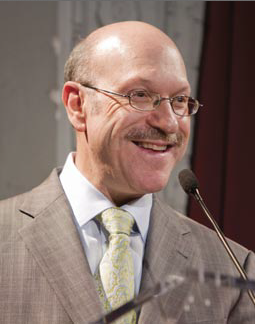
Robert Schneider, M.D., director of the Institute for Natural Medicine and Prevention and dean of Maharishi College of Perfect Health in Fairfield, Iowa. Courtesy MAPI

“We hypothesized that reducing stress by managing the mind-body connection would help improve rates of this epidemic disease,” said Robert Schneider, M.D., lead researcher and director of the Institute for Natural Medicine and Prevention in Fairfield, Iowa. “It appears that Transcendental Meditation is a technique that turns on the body’s own pharmacy — to repair and maintain itself.”

For the study, researchers randomly assigned 201 people to participate in a Transcendental Meditation stress-reducing program or a health education class about lifestyle modification for diet and exercise.

  • Forty-two percent of the participants were women, average age 59, and half reported earning less than $10,000 per year.
  • Average body mass index was about 32, which is clinically obese.
  • Nearly 60 percent in both treatment groups took cholesterol-lowering drugs; 41 percent of the meditation group and 31 percent of the health education group took aspirin; and 38 percent of the meditation group and 43 percent of the health education group smoked.

Those in the meditation program sat with eyes closed for about 20 minutes twice a day practicing the technique, allowing their minds and bodies to rest deeply while remaining alert.

 Participants in the health education group were advised, under the instruction of professional health educators, to spend at least 20 minutes a day at home practicing heart-healthy behaviors such as exercise, healthy meal preparation and nonspecific relaxation.
Researchers evaluated participants at the start of the study, at three months and every six months thereafter for body mass index, diet, program adherence, blood pressure and cardiovascular hospitalizations. They found:
  • There were 52 primary end point events, which included death, heart attack or stroke. Of these, 20 events occurred in the meditation group and 32 in the health education group.
  • Blood pressure was reduced by 5 mm Hg and anger decreased significantly among Transcendental Meditation participants compared to controls.
  • Both groups showed beneficial changes in exercise and alcohol consumption, and the meditation group showed a trend towards reduced smoking. Although, there were no significant differences between the groups in weight, exercise or diet.
  • Regular meditation was correlated with reduced death, heart attack and stroke.

Cardiovascular disease is the leading cause of death worldwide. Death from heart disease is about 50 percent higher in black adults compared to whites in the United States. Researchers focused on African Americans because of health disparities in America.

“Transcendental Meditation may reduce heart disease risks for both healthy people and those with diagnosed heart conditions,” said Schneider, who is also dean of Maharishi College of Perfect Health in Fairfield, Iowa.

“The research on Transcendental Meditation and cardiovascular disease is established well enough that physicians may safely and routinely prescribe stress reduction for their patients with this easy to implement, standardized and practical program,” he said.

Co-authors are: Theodore Kotchen, M.D.; John W. Salerno, Ph.D.; Clarence E. Grim, M.D.; Sanford I. Nidich, Ed.D.; Jane Morley Kotchen, M.D., M.P.H.; Maxwell V. Rainforth, Ph.D.; Carolyn Gaylord-King, Ph.D.; and Charles N. Alexander, Ph.D. Author disclosures are available on the manuscript.

The National Heart, Lung and Blood Institute funded the study.

Follow @HeartNews on Twitter for the latest heart and stroke news.

###

Statements and conclusions of study authors published in American Heart Association scientific journals are solely those of the study authors and do not necessarily reflect the association’s policy or position. The association makes no representation or guarantee as to their accuracy or reliability. The association receives funding primarily from individuals; foundations and corporations (including pharmaceutical, device manufacturers and other companies) also make donations and fund specific association programs and events. The association has strict policies to prevent these relationships from influencing the science content. Revenues from pharmaceutical and device corporations are available at www.heart.org/corporatefunding .

Circulation: Cardiovascular Quality and Outcomes. 2012; 5: 750-758. Published online before print November 13, 2012, doi: 10.1161/ CIRCOUTCOMES.112.967406. November 2012 issue. Stress Reduction in the Secondary Prevention of Cardiovascular Disease: Randomized, Controlled Trial of Transcendental Meditation and Health Education in Blacks. Abstract | Full Text | PDF

Also posted on EurekAlert! http://www.eurekalert.org/pub_releases/2012-11/aha-mmr110812.php

Also see: Transcendental Meditation May Lower Heart Risk: WebMD Heart Disease Health Center

Science Codex: Meditation may reduce death, heart attack and stroke in heart patients

Meditation could slash the risk of heart attack and stroke (and make you less angry) — Daily Mail
TIME Strongest Study Yet Shows Meditation Can Lower Risk of Heart Attack and Stroke

Excellent article by Tom Jacobs on Meditation: Strong Preventative Medicine for Heart Patients

AHA Newsletter: News from the Heart: Update from CEO Nancy Brown for AHA Volunteers (11/15/12) features Dr. Schneider’s study, “meditation reduces cardiovascular risk”

And many major articles around the world, including reports by CNN, CBS, ABC, and NBC.

I also included a review of some of the global news coverage and the report in our university paper the Review: New Study Shows Reduced Mortality, Heart Attack, Stroke (Vol. 28, #6, November 28, 2012). You can also read it in this news post: Results of American Heart Association publishing landmark TM study.

Training from the Inside: Treating PTSD with TM

November 11, 2012

Training from the Inside: Treating PTSD with Transcendental Meditation

“I deal with pain every day. I have nerve problems in my leg and the PTSD that the doctors diagnosed me with…functioning becomes impossible, lack of sleep, your work ethic sucks, you can’t focus at work, you can’t do anything, everybody pisses you off…it’s different for everybody. Memories saturate your mind…for me every day is a constant reminder — you relive the same crap over and over and over.” – Sgt James Thrasher, USMC

“I myself have been deployed eight times and been to combat four times. I was diagnosed with PTSD, depression, insomnia. We fight through whatever problems we have, we suck it up, and I did that for many many years. The trauma that I’ve seen the situations that I’ve been through…you take all of that stuff and you put it in a bag and we keep filling up our bag with all these problems rather than dealing with them. – GySgt Richard Wilson, USMC

“What peaked my interest in TM was all the research that’s been done and how incredibly effective it is for trauma, stress…the evidence now is that in combat stress the trauma actually changes the brain so that the ability to self-regulate isn’t there. Meditation helps with information processing, helps with self-regulation. Here we have another tool that is fabulous and they can do for themselves.” – Anna Benson, PhD, Clinical Psychologist

“I was interested in the TM program but I was skeptical at the same time. The power of the TM meditation…it really came out fast and it was surprising to me. Having that inner peace after meditation really really emboldened me to deal with things that I’d been just kind of stuffing away. So to be able to have relief from agitation, have relief from anger, frustration, sleeplessness, alcoholism, drug addiction…that’s huge.” – Sgt James Thrasher, USMC

Uploaded by on Aug 28, 2012

See updated article with photos by Mario Orsatti posted on the TM Blog December 13, 2012: U.S. Marines Talk About the Effect of TM on PTSD.

For more information on the David Lynch Foundation’s Operation Warrior Wellness program please visit http://operationwarriorwellness.org.

For more information on the Transcendental Meditation technique please visit http://tm.org.

Since 2005 the David Lynch Foundation has shared Transcendental Meditation with our most stressed populations. The David Lynch Foundation runs entirely on donations and there is a long list of veterans and sufferers of post-traumatic stress eager to participate.

If you were inspired by this video and would like to make a donation please visit: http://www.operationwarriorwellness.org/how-to-help. Your donations will be used in 3 ways—to help active duty military and veterans suffering from PTS, cadets in training and activated soldiers, and family members of retired and active service personnel. Thank you!

Related news: Soledad O’Brien interviews Russell Simmons and Bob Roth of the David Lynch Foundation on TM for Vets with PTS on CNN’s Starting Point | Military Leaders to Promote Meditation at Iowa Summit to Help Reduce Veteran Suicide EpidemicMatt Kelley of Radio Iowa interviews Jerry Yellin about an Iowa Veterans Summit solution to PTSD | See video highlights of the Iowa Veterans Summit – PTSD and Transcendental Meditation | KTVO News: How one soldier regained his life with help from WWII veteran and TM for PTSDFairfield and Ames war veterans team up to bring meditation (TM) to fellow Iowa vets with PTSD | Mark Newman: Courier: Iowa soldier seeks peace of mind through meditation and medicationMilitary veterans speak on need to increase resiliency: by Diane Vance, Fairfield Ledger | Story County Veteran Once Suicidal Finds Relief from PTSD with Transcendental Meditation: AmesPatch article by Jessica Miller | Veterans speak out on post-traumatic stress, offer a proven way to heal PTSD | Healing the Hidden Wounds of War: open forum for Iowa veterans and their families affected by PTSD, sponsored by Operation Warrior Wellness | Post Traumatic Stress and How Transcendental Meditation Can Help [Infographic] | Meditation Improves Performance at Military University | Meditation Saves A Veteran From PTSD and SuicideDr. Oz on the Benefits of the TM Technique

Robin Lim Day — CNN Hero Returns to Fairfield, Iowa for a Hometown Hero’s Welcome

November 4, 2012

Robin Lim Day

Robin Lim Returns to Fairfield, Iowa for a Hometown Hero’s Welcome

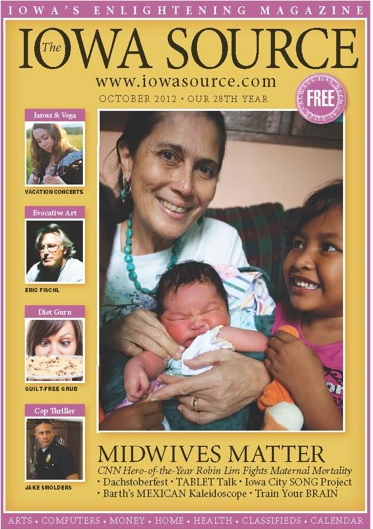
Recent articles on 2011 CNN Hero Robin Lim appear in the October and November 2012 issues of The Iowa Source. Robin was on the October cover in a feature article, Midwives: Better Birth Outcomes, and in the November issue: Robin Lim Honored in Her Hometown.

Mayor Ed Malloy officially declared Robin Lim Day in Fairfield, Iowa on November 13, 2012. Robin is returning to Fairfield to accept the honor and give a free lecture on midwifery and her work in Indonesia Tuesday at 8 p.m. at the Sondheim Center in the Fairfield Arts and Convention Center. Admission is free.

Several events will take place between November 8 to 15, 2012, starting with a free showing of the award-winning documentary film, Guerrilla Midwife, at the Fairfield Public Library. The film was made by Robin’s daughter, Deja Bernhardt, about her mother’s work.

Robin will also be giving a series of talks starting at Des Moines University in the Student Education Center Auditorium at 7 p.m. Sunday. The event at the Sondheim honoring Robin takes place Tuesday night, followed by talks on Wednesday morning at the Maharishi School, on being a hero by pursuing your dreams and passions, and evening at 7:30 p.m. on sustainable parenting, in Dalby Hall in the Argiro Student Center on the Maharishi University campus, concluding Thursday morning at Fairfield Public High School.

In addition to her work in Bali at Bumi Sehat (Healthy Mother Earth), Robin and her team helped save lives and opened a second free clinic and birthing center in Aceh, that part of Indonesia most heavily hit by the tsunami in 2004. She later used her newfound disaster-response skills to aid victims of the earthquake that leveled parts of Haiti in 2010.

Elizabeth Gilbert, author of the best-selling book, Eat, Pray, Love (the last part takes place in Bali), met Robin and had this to say about her: “Robin Lim is what we should strive to be—a great, abundant, generous, warm and tirelessly running faucet of humanity and grace.”

See the Sondheim Center for the Performing Arts announcement CNN Hero of the Year Robin Lim Speaks in her Hometown.

For more information on Robin Lim and her work visit Wikipedia, Bumi Sehat Foundation International, and YouTube Channel.

See Fairfield Ledger: CNN Hero Robin Lim visiting Fairfield and news coverage for Robin Lim is the 2011 CNN Hero Of The Year.

Cancer stories: Greg James restored balance with Maharishi Ayurveda and TM to enjoy his life again

October 28, 2012

FAIRFIELD — October is National Breast Cancer Awareness Month and The Ottumwa Courier asked cancer survivors and/or family members to share their stories. A few people wrote to tell of their experiences and their stories have been running often throughout this month. The editor thanks all the people who participated. Many said they wanted others to know about the experience and to always have hope. Here’s a story from a friend of mine, Greg James, in Fairfield. I never would have guessed he had been through so much, he seems so healthy to me.

Cancer stories: Restore balance and enjoy life

October 25, 2012

“No one has ever survived this kind of cancer,” the Harvard oncologist told me back in September 1988. “It is a rare and very fast-growing form of Non-Hodgkins Lymphoma. Sloane Kettering in New York City has only seen 50 cases in the last 10 years, and no white male 37-year heterosexual has ever survived.  You are Stage 4 with complications (massive pleural effusions).”

“What are his chances of surviving?” asked my family, and the doctor would only cross his fingers.

It was very ironic that I got this cancer, as I was on a media team that was making Deepak Chopra and Maharishi Ayurveda household words. I had been in perfect vibrant health, an active hiker, then (and now).

My father was a hospital administrator and consultant. I grew up with mixed signals: the doctors were brilliant and great people, but their system limited them to drugs and they couldn’t think out of the box; they are brilliant technicians but lack training in vital areas of nutrition and bedside manner. So, I was, from the outset what Bernie Siegel (author of “Love, Medicine, and Miracles”) called a “difficult patient.” Dr. Siegel noted that the patients who take an active interest in their treatment, asking frequent questions and sometimes going against medical advice, were the ones that survive.

It was quickly found that I had a tumor the size of a fist in my throat choking me. That explained a lot! The CHOP protocol worked quickly, dissolving that tumor, and I got through tumor necrosis (the breaking up of the tumor and the spread of that material throughout the body). I was re-admitted to Mass General Hospital in Boston again for a total lack of white blood cells and put on a rescue remedy. Then, two months after my first treatment, I was in Intensive Care Unit for 12 days fighting for my life against pneumonia.

After that, consulting with various doctors outside of the cancer complex at Mass General, I decided to quit the chemo, brain radiation and spinal taps in favor of rebuilding my body with special herbs from India and a rejuvenation protocol (now offered at The Raj in Fairfield). I was totally devastated by the chemo and lack of sleep caused by the Prednizone, and couldn’t hold down food from nausea. My body was trying to throw off the “emergency medicine” and get back to some balance. The Ayurvedic treatments were designed not to cure disease but to promote good health, but they gave me what I needed most: vitality, strength and some hint of happiness.

Meanwhile, the oncologists were upset that I had taken a break from chemo, etc., and told me they had gotten approval for a bone marrow transplant from Dana Farber Institute, a procedure that would “bring me to the brink of death, and then we will re-inject your bone marrow” and I was prescribed three years of continuing chemo, etc. after the transplant. My oncologist quoted a published study and told me that three out of 23 patients had survived this type of bone marrow transplant, which angered me. “You want me to bet my life on one chance in eight? Who is on drugs here, doctor? (I didn’t continue, and saved the insurance company $300,000)”

Ten months after I started, I was back to walking without leg braces (after losing strength from the chemo), and loving life again. I was grateful to have the best of “emergency medicine” and the best of alternative medicine. For a few years after, everyone and their brother was calling me to ask me to talk to their wife or cousin or whomever about their cancer treatment. My answer included these points: realize that the surface condition of cancer is a symptom of an underlying imbalance in the mind-body connection and that this must be restored, and it could be. If your condition is terrible, by all means take allopathic medicines, but don’t be afraid to break from it to get much-needed vitality back through expert-prescribed herbs and rejuvenation therapies. Take “rasayanas,” herbal supplements that promote longevity. First of all, go to an established Maharishi Ayurveda clinic and take the rejuvenation therapy; it will promote your recovery very quickly. And practice verified techniques for improving health, namely Transcendental Meditation. Be honest about your feelings: of course you are scared, that is natural; if you aren’t scared, then somebody isn’t being honest.

People ask me, “So your cancer is in remission?” and I answer, “My health was in remission briefly, but that has been restored.” I change the emphasis because too many people fear the problem without re-defining it: cancer is an opportunity, a forced opportunity, to go deep inside, bring out the strength you need and restore balance to enjoy life.

Greg James

Fairfield

Reprinted with permission from the author

Happy Birthday Katy Perry! Thank you for supporting the David Lynch Foundation

October 24, 2012

The David Lynch Foundation Wishes Happy Birthday to Katy Perry

For her birthday, Katy Perry tweets fans to support Transcendental Meditation for school kids and veterans https://twitter.com/katyperry

Katy Perry says that Transcendental Meditation changed her life and, for her October 25 birthday, she is asking her fans to donate to the David Lynch Foundation, a US-based charity that provides meditation instruction at no charge to inner-city school kids and veterans suffering from the traumatic stress of combat.

In a tweet to her 27 million twitter followers, Perry writes:

“Transcendental Meditation changed my life. For my birthday I would love to pay it forward. In lieu of gifts, donate to www.davidlynchfoundation.org/katyperry.”

Perry joins a growing number of A-list celebs who practice Transcendental Meditation, or “TM”as it is called, including Oprah Winfrey, Ellen DeGeneres, Dr. Mehmet Oz, Russell Simmons, Jerry Seinfeld, Paul McCartney, Ringo Starr, Martin Scorsese, Clint Eastwood, Cheryl Crow, Moby, Ben Harper, and Laura Dern.

On the David Lynch Foundation donation webpage, Perry writes about her support for TM:

“I have been meditating for two years now, and it’s the best thing I have ever done to help bring more creativity, positive energy and peace to my life. When I’m tired, stressed, anxious or depressed, I meditate, and it clears my mind, and makes me feel relaxed and happier. I have shared the meditation experience with my friends, and recommend it to everyone I know.

“I support the David Lynch Foundation because it brings Transcendental Meditation to millions of adults and children all over the world who suffer from post-traumatic stress, such as veterans, inner-city school kids, and women and girls who are victims of violence.

“Please help me celebrate my birthday by making a donation to DLF. Your donation is not only special to me, but to all of the people whose lives you will help through the lifelong gift of meditation.”

Last year, Perry urged her fans to “pay it forward” with donations to the ASPCA to care for abused animals.

For more information, please contact heather@davidlynchfoundation.org.

About The DLF

Find out how Transcendental Meditation is being used to help at-risk students, veterans, and abused women and girls overcome stress. Watch

Celebrity websites have reported the news. See Look to the Stars: The World of Celebrity Giving: Katy Perry Urges Fans To Support Meditation Charity For Her Birthday. All the celebrities listed there are TM-ers who support the David Lynch Foundation. Examiner: Katy Perry birthday wish: 28 million fans support the David Lynch Foundation. MTV: act: Sweet Tweet: Katy Perry Asks for Charitable Donations For Her Birthday

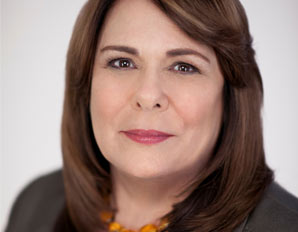
Prevention’s Mandy Oaklander Asks Presidential Debate Moderator Candy Crowley 10 Questions

October 21, 2012

Here are some TM-related highlights from this excellent interview in Prevention. Click on the title to go to the complete article where you will see answers to other questions, like what Candy was anticipating from Romney and Obama, what her tactic would be to get them to give her answers, how her moderating style was going to be different from Jim Lehrer’s, what it means to her being the first female moderator of a presidential debate, and how she has the confidence to not be intimidated by men.

10 Questions for Candy Crowley, Presidential Debate Moderator

How Transcendental Meditation, a vegetarian diet, and a serious ability to kick ass keeps Candy Crowley sane

By Mandy Oaklander

It was a 1 a.m. dinner of pretzels and Twizzlers in a 7-Eleven parking lot that made Candy Crowley realize it was time for a change. That’s when Crowley, CNN’s chief political correspondent, decided she needed to ask herself some serious questions: about her diet and her stress levels, about how well she was managing both. Within the year, she’d gone vegetarian, her exercise regime, and most importantly, her ability to manage stress. Thank God, because she’s about to take on the night of her life.

At 63, Crowley is best known for her political reporting on CNN and as host of that network’s show State of the Union. But one of her greatest honors comes tomorrow, when she’ll become the first woman in 20 years to moderate a presidential debate. How does she plan to stay zen? Crowley’s secret weapon is Transcendental Meditation (TM). “It’s the only thing I won’t go a day without doing,” she says. Make that half a day; Crowley practices every morning and night. Prevention caught up with the meditating vegetarian days before the debate to talk TM, politics, and the Year of Candy.

PVN: How did you get into Transcendental Meditation?

CC: My TM [Transcendental Meditation] experience started right after the last election. Campaigns are just so hard on everything. You’re on the bus, you’re off the bus, you’re on the plane, you’re in a hotel. And that’s really your life: You think you’re not going to eat and then you eat too much, or you think you are going to eat and you don’t eat enough. You’re just so stressed out and tired.

When the 2008 campaign was over, I said, “How about if I promise myself that I will spend a year concentrating on getting healthy and doing the right things? If I hate it and it’s horrible, at the end of the year I’ll just go back and eat crazy.” My friends called it The Year of Candy. I had a friend who said, “You oughta try Transcendental Meditation.”

PVN: What’s your TM routine?

CC: It’s a relaxation technique.  A TM teacher once said to me, “You know when you have a really wavy day on a boat, and you’re getting tossed around and there’s white caps everywhere? That’s kind of where we spend most of our time: on top of the waves.” But if you jump into the water and can get down to the bottom, it’s so still and quiet. That’s where TM is. I just sit in a chair in my room. I meditate in the airport. I meditate in my office in the afternoon. It doesn’t require a special place or even a lack of people.

PVN: How do you feel now, compared to your life before the Year of Candy?

CC: I feel better. Sustaining a Year of Candy can be difficult in election years, I’ve found. It’s still too easy for me to go, “If I could just have that extra hour of sleep, I’d be really happy.” I’m not good at coming home at 8 o’clock at night and running on the treadmill. I say this all the time to a guy that I work out with: “I want to love this, but I just can’t.  I just don’t!” And he says to me all the time, “Just love how it makes you feel afterward. Just keep your mind on that.” That’s the only thing that’s ever going to get you out of bed.

PVN: Do you think that meditation has made you a better journalist?

CC: I think that it has made my thought process more ordered. When your stress level is lower, you make better decisions and you have a better thought process.

Do I still get angry? I do. Do I still get frustrated? I do. Do I still have stress? Yes. I don’t think that’s the point; the point is for you to be able to handle the stress. The point is that I don’t hang onto my anger nearly as long as I used to.  It just takes the harsh edges of life and softens them up in a way that you can cope with them.

PVN: It’s the night before the debate. What’s tonight going to look like for you?

CC: Knowing me, I think I’ll be sitting in my hotel room with a stack of papers, making sure I’m up to date on what the last thing everyone has said about things. I’ll meditate, and then I’ll read some more papers, and then I’ll go to bed.

I’m hoping that it will be really mellow. By the way, all my kids are going to be in town, so it’s going to be a huge lesson in restraint for me not to want to go out and party with them.

PVN: Do you have a moderating mantra?

CC: Five minutes before I get on a show, I take deep breaths and settle in. I just say, “Listen,” because that’s the most important part that most people forget. You’ve got to listen to the answers. Otherwise, you’re not having a conversation. And that’s about the last thing I tell myself before I go on air.

Related stories: Daily Mail: Debate moderator Candy Crowley’s secret of success? Transcendental Meditation | Politico: Candy Crowley on Transcendental Meditation | HuffPost Healthy Living: Transcendental Meditation: Candy Crowley And Other Celebrity Followers | New York Times: Candy Crowley’s Debate Prep| Glamour: 6 Things to Know About Candy Crowley, Including Why She’s Causing So Much Controversy Before Tonight’s Presidential Debate| Access Hollywood: Healthy Hollywood: Wellness Wednesday – Candy Crowley’s Calming Secret!

Other related news: CNN anchor Candy Crowley gives Commencement Address at Maharishi University of Management | Candy Crowley visits KRUU-FM before delivering Commencement Address at Maharishi University | CNN’s Candy Crowley to give Commencement Address at Maharishi University of Management | Fairfield Ledger: Crowley speaks to M.U.M. grads | Los Angeles Times: CNN’s Candy Crowley has taken up Transcendental Meditation

Hard evidence grows for including meditation in government-sponsored health programs

October 17, 2012

Hard evidence grows for including meditation in government-sponsored health programs was released on EurekAlert! October 17, 2012.

More people still die from cardiovascular disease than any other illness. Dubbed the number one killer and the silent killer, modern medicine has been researching and incorporating complementary and alternative approaches to help treat and in some cases reverse and hopefully prevent this health problem at an earlier stage of the disease. One of those modalities is meditation.

A new research review paper on the effects of the stress-reducing Transcendental Meditation (TM) technique on the prevention and treatment of heart disease among youth and adults provides the hard evidence needed to include such evidence-based alternative approaches into private- and government-sponsored wellness programs aimed at preventing and treating cardiovascular disease.

The paper, “Prevention and Treatment of Cardiovascular Disease in Adolescents and Adults through the Transcendental Meditation® Program: A Research Review Update” is published in Current Hypertension Reviews, 2012, Vol. 8, No. 3.

• In teens, the TM technique has been found to reduce blood pressure, improve heart structure and improve school behavior. According to the paper, the technique has been shown to be a safe alternative. The NIH-sponsored clinical trials conducted with TM mentioned in this review did not observe any adverse effects from TM practice.

• In adults the technique reduced stress hormones and other physiological measures of stress and produced more rapid recovery from stress, decreased blood pressure and use of blood pressure medication, decreased heart pain in angina patients, cleared the arteries, reducing the risk of stroke, improved distance walked in patients with congestive heart failure, and decreased alcohol and tobacco use, anxiety, depression, and medical care usage and expenditures. The technique also decreased risk of death from heart disease, cancer, and all causes.

“These findings have important implications for inclusion of the Transcendental Meditation program in medical efforts to prevent and treat cardiovascular disease,” says Dr. Vernon Barnes, lead author and research scientist at Georgia Health Sciences University, in Augusta, Georgia.

“This review is potentially more important than individual research papers because it shows that TM has an integrated, holistic effect on all levels of cardiovascular disease,” says co-author, Dr. David Orme-Johnson.

Orme-Johnson says that no other meditation technique has been shown to produce this constellation of changes, especially when it comes to hard measures of cardiovascular disease.

Dr. Barnes said it was important to start preventing heart disease with adolescents before the disease sets. “Adding Transcendental Meditation at a young age could prevent future cardiovascular disease and save many lives, not to mention reduce the national medical bill by billions of dollars.”

This model shows how regular practice of the Transcendental Meditation Program may reduce chronic stress, which in turn reduces CVD risk factors and improves stress reactivity, thereby decreasing cardiovascular disease, and consequential morbidity and mortality.

Uniqueness of the Transcendental Meditation technique

The uniqueness of the outcomes of the TM technique may have something to do with the mechanics of the practice of the technique itself says Dr. Barnes. “Meditation practices are different from each other and therefore produce different results. And this is a very important consideration when evaluating the application of meditation as an alternative and complementary medical approach.”

A paper in Consciousness and Cognition discusses three categories to organize and better understand meditation. See Are all meditation techniques the same?

The two common categories are focused attention, concentrating on an object or an emotion, like compassion; and open monitoring, being mindful of one’s breath or thoughts, either contemplating the meaning of them, or just observing them.

Transcendental Meditation uses a different approach and comes under the third category of automatic self-transcending, meditations that transcend their own activity.

The TM technique does not employ any active form of concentration or contemplation, but allows the mind to effortlessly experience the thought process at more refined levels until thinking comes to a quiet settled state without any mental activity. The mind is awake inside and the body is resting deeply, a level of rest much deeper than deep sleep. It is this state of restful alertness that allows the body to make the necessary repairs to rebalance its normal functioning. This cumulative process resets the physiology and shows up as reduced symptoms of cardiovascular disease and improved health.

###

The EurekAlert! press release was publicized by other medical and science websites like Science Codex, PhysOrg, and PsychCentral: Meditation Technique Lowers Stress, Improves Cardiovascular Health. Medical News Today reported: Evidence Suggests That Meditation Should Be Included In Government-Sponsored Health Programs and embedded the video of Dr. Oz talking about TM. Holistic Future: Evidence shows Transcendental Meditation prevents heart disease

For a clear comprehensive understanding see Transcendental Meditation Visualized [Infographic].

Matt Kelley of Radio Iowa interviews Jerry Yellin about an Iowa Veterans Summit solution to PTSD

October 11, 2012

Veteran shares story in hopes of helping others deal with impact of war

October 11, 2012 By

Jerry Yellin

A study finds more veterans die by suicide every year than are killed annually in Iraq and Afghanistan.

A World War Two fighter pilot from southeast Iowa is telling his story today at an Iowa Veterans Summit in hopes more veterans can be saved and find peace.

Eighty-eight-year-old Jerry Yellin, of Fairfield, says he joined the service as an 18-year-old in February of 1942 and, in his words, “I learned how to kill.”

“I flew P-51s in combat over Japan,” Yellin says. “I flew with 16 guys who didn’t come back. One day, I had a pure purpose of living and the next day the war was over and I had no purpose of living. I came home and I was an empty soul. I had no ambition, no direction.”

Yellin says he “wandered for 30 years” and suffered from addiction until he learned Transcendental Meditation in 1975 and “got my life back.”

“It was just as easy as that,” Yellin says. “A very simple technique, not a philosophy, not a belief. Not what you think but how you think. It puts you into the zone of life, twice a day, 20 minutes a day.” Yellin is now the national co-chairman of Operation Warrior Wellness and he’s among the featured speakers at the summit in West Des Moines.

He says more veterans and their families are turning to meditation to ease the trauma of combat and to pave the way to a healthier life. “It’s a very inexpensive modality to remove stress,” Yellin says.

“It’s a 5,000-year-old traditional warrior’s way of learning to cope with stress.” Yellin says he suffered from “shell shock” for three decades after the end of World War Two, but it wasn’t something that was considered “manly” to discuss. Today, the condition is known as PTSD.

“Post-Traumatic Stress Disorder is a civilian term,” Yellin says. “I would like to see it changed to Post-Combat Stress Injury because it is a mental injury.” He says PTSD is now blamed for 18 veterans’ suicides daily. The Iowa Veterans Summit and luncheon begins at noon at the West Des Moines Marriott.

A release says it will present the research and clinical applications of Transcendental Meditation for reducing stress, PTSD, substance abuse and suicide, depression and enhancing resilience and performance.

Learn more by calling 866-962-0108 or visit: www.operationwarriorwellness.org.

Audio: Radio Iowa’s Matt Kelley interviews Jerry Yellin 5:36.

See Military Leaders to Promote Meditation at Iowa Summit to Help Reduce Veteran Suicide Epidemic.

See video highlights of the Iowa Veterans Summit – PTSD and Transcendental Meditation.

Transcending Stress by Norman Rosenthal, M.D. for Decision Magazine

October 1, 2012

Decision Magazine, a UK business publication, featured an article on TM in the Wellness section of the Summer 2012 issue: Transcending Stress: Transcendental Meditation offers a promising remedy for workplace stress says NORMAN E ROSENTHAL M.D. Download a PDF of Decision Summer 2012 to see the article laid out with images on pages 48-49.

Transcending Stress by Norman Rosenthal, M.D.

It’s not stress that kills us; it’s our reaction to it. – Hans Selye

It is a matter of broad consensus that stress in the workplace has reached epidemic proportions. So bad has the problem become, that stress is now a more common cause of long-term sick leave than stroke, heart attack, cancer and back problems, according to a report by the Chartered Institute of Personnel and Development. Workplace stress has been labeled “The Black Death of the 21st Century.”

Common causes of workplace stress include excessive workload, poor management style, workplace restructuring, and problems at home. As the great pioneer in stress research, Hans Selye, observed, it is not the stress itself, but how we react to it that affects its impact on our bodies and minds. During economic downturns, such as we are facing at present, ordinary workplace difficulties become more stressful because workers feel insecure about their job stability and fearful of losing their job, especially because it is often difficult to find a new one.

Stress takes a toll on both body and mind. It is a major contributor to cardiovascular disease, the number one killer in developed countries. In addition, it predisposes to anxiety and depression, both enormous mental health problems. For those who of us who are concerned about performance and productivity in the workplace, it is crucial to find remedies for toxic work stresses. Such remedies will also lead to healthier workers, with fewer days off sick, lower health care bills, and extra years of productivity. There are many available “stress management” programmes. In this piece, I make the case why a simple but powerful technique, Transcendental Meditation (TM), should rise to the top of the list.

Why Transcendental Meditation?
TM is a simple technique of meditation, taught in a standardized one-on-one way over the course of a week. The instructor gives the student a mantra, along with instructions as to how to use it. TM is simple to learn and easy to practise. Ideally, the practitioner should sit comfortably with eyes closed for two sessions of 20 minutes each per day.

As a researcher and physician, I have been impressed by the scope and extent of research data supporting the benefits of TM (over 330 peer-reviewed articles to date). Much of this research has a direct bearing on the damaging physical effects of stress. For example, controlled studies have shown multiple physical benefits of TM versus controlled treatments, such as: (1) Reduction in blood pressure that is both statistically and clinically meaningful; (2) Actual reversal of arterial narrowing in the carotid arteries which carry blood to the brain; (3) increased longevity over the course of years (a finding that has been replicated). From the point of physical wellbeing alone, TM is worth practising.

But there is more. A meta-analysis of 146 treatment groups found that TM reduced anxiety to a greater extent than other approaches. Likewise, five controlled studies in people not recruited specifically for depression showed that practising TM was followed by a reduction in depression symptoms to a greater extent than control treatments. Evidence suggests that the improved blood pressure seen with TM is mediated by decreased anxiety. In other words, TM seems to be acting as a shock absorber, decreasing the impact of stress on both mind and body.

No other “stress management technique” has anywhere close to this amount of hard data in support of its claims to reduce stress.

Beyond its effects on stress reduction, TM has also been shown in numerous studies to improve levels of self-actualization – a term used to describe the need for people to be the best they can be. This benefit may result from the direct effects of TM on the brain, which include increased brain coherence. Brain coherence means that the firing patterns in different parts of the brain correspond to one another. Higher levels of brain coherence have been associated with higher levels of performance, both in businessmen and athletes.

How do the benefits of TM play out in the workplace?
To begin, let us hear from two leading business people, who are regular meditators and have praised TM’s benefits: Ray Dalio, founder of Bridgewater, the largest hedge fund in the world; and Oprah Winfrey, media icon and CEO of Harpo Studios. Dalio has said that TM has helped him make up for lost sleep and has made his patterns of thinking “more centered and creative.” With TM, he says, “Life got better and everything became easier.” He reports dealing with challenges in a calm, clear-headed way, which allows him to put things in perspective – “like a ninja.” Winfrey was so pleased with her own personal experience with TM that she provided TM training free of charge to all members of her organization. Her observations: “You can’t imagine what has happened. People are sleeping better. People have better relationships. People interact with other people better. It’s been fantastic.”

Many other CEOs and business leaders have reported similar benefits in their organizations. How can we understand these extraordinary transformations?

How can TM help work-stress?
Let me count the ways. TM results in:
1. Increased brain coherence that is associated with increased levels of accomplishment
2. Reduced stress responses producing more clarity, less reactivity, and better decision-making. As Dalio put it, “I am centered – not hijacked by emotion”
3. Enhanced creativity, even with aging
4. Better physical health
5. Greater harmony

At every level of organization, TM promotes harmony. This applies within the mind of the meditator, between mind and body, and in groups. Once the meditator learns the practice and develops the habit, the 40 minutes spent per day is rapidly repaid in the form of improved performance and efficiency. How wonderful it is to think that this quiet twice-daily practice might turn out to be a remedy for “The Black Death of the 21st century!”

Norman E. Rosenthal, M.D is author of Transcendence: Healing and Transformation Through Transcendental Meditation (Hay House, 2012).

An updated reprint edition by Tarcher is available in North America on Amazon.

Click here for more posts on Norman Rosenthal on my blog, and also visit Norman Rosenthal’s website and blog: http://normanrosenthal.com.

For more information on Transcendental Meditation for business executives and companies please visit www.tmbusiness.org.