Archive for the ‘Writing’ Category

Writing can become a process of self-discovery & self-empowerment, especially for young students

March 23, 2026

It’s funny how events that happened thirty, even forty years ago, can come back to life in your mind. Sometimes all it takes is one thing to trigger old memories. Here is an example of that one thing, one quote, one memory, that led to another, and another, which then turned into this two-part blog post on learning about and facilitating the writing process in myself and in others. 

Part One
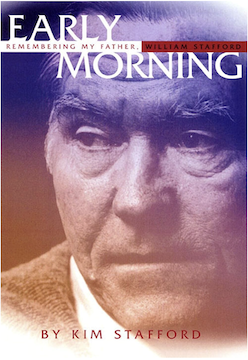
I usually sit in a mini recliner chair next to my library when I meditate. The top shelf is filled with books on poetry and writing. After a recent morning session, I pulled out a favorite—Early Morning: Remembering My Father, William Stafford by Kim Stafford. In it were a few of the thin plastic liners we used to peel off to seal and mail back DVDs in those Netflix red envelopes. They made perfect little bookmarks to highlight certain poems or quotes on writing I liked. I recognized some that ended up in blog posts on this well-known seminal poet and non-conventional writing instructor.  

What a writer is

One sentence that stood out for me is on page 160 in the chapter, Priest of the Imagination, the same title of an essay William Stafford had written on his unique way of facilitating writing in students. The quote was featured on the back cover of You Must Revise Your Life highlighting his earlier compilation on the subject, Writing the Australian Crawl: Views on the Writer’s Vocation, which opens the chapter, A Way of Writing, on page 17. It epitomized Stafford’s approach to writing.

A writer is not so much someone who has something to say as he is someone who has found a process that will bring about new things he would not have thought of if he had not started to say them. 

The paragraph continues: That is, he does not draw on a reservoir; instead, he engages in an activity that brings to him a whole succession of unforeseen stories, poems, essays, plays, laws, philosophies, religions, or—but wait! 

A writer is not so much someone who has something to say as he is someone who has found a process that will bring about new things he would not have thought of if he had not started to say them. — William Stafford

Committing to the process

That act of submitting and committing to the process, and what unforeseen things might follow from it, reminds me of a famous quote from William H. Murray, author of The Scottish Himalayan Expedition. 

Until one is committed, there is hesitancy, the chance to draw back. Concerning all acts of initiative (and creation), there is one elementary truth, the ignorance of which kills countless ideas and splendid plans: that the moment one definitely commits oneself, then Providence moves too. All sorts of things occur to help one that would never otherwise have occurred. A whole stream of events issues from the decision, raising in one’s favor all manner of unforeseen incidents and meetings and material assistance, which no man could have dreamed would have come his way. Whatever you can do, or dream you can do, begin it. Boldness has genius, power, and magic in it. Begin it now.

I found another bookmark between pages 164 & 165, and wondered what part I thought was worth quoting. I hadn’t yet, but this first of two sentences stood out to me, and is worth posting here now. 

Once you decide to write in your own voice, for your own purposes, in your own way—then the act of writing is your teacher. Other writers, perhaps some in the role of “teacher,” become companions in our common search for uncommon things.  

Once you decide to write in your own voice, for your own purposes, in your own way—then the act of writing is your teacher. — Kim Stafford

Kim Stafford discussed his father’s approach—asking students questions “to get at the heart, the origin, the authentic source of the student’s life in writing. … It wasn’t about texts for improvement, but about the pure beginning.” 

He previously mentions a 1950s handout his father gave students, “Assumptions About Literature Classes”. He sought freedom for the private writer, but with the benefit of company. The course description lets students know there would be no pressure to write and they would not be graded. As for “Difficulty, etc.: Kim quoted the description: 

The course is easy, no hazards. Minimum involvement can be very light. At an extreme of involvement, the course could become a career. 

I had to laugh at the sincere understated irony of that last statement. 

The practice of the writer

Kim goes on to say: “The last point is the core of my father’s teaching: start the utterly authentic life right now. We are not practicing to be writers; we are entering into the practice of the writer, revising our very lives, yielding in each moment to the vocation that demands our deepest allegiance.” 

For Kim’s father, the classroom was a collaborative place where young writers could help each other with their writing by giving feedback. Further down the page he elaborates: “The class was a village honoring each student’s native discoveries, and learning occurred as a process of mutual discovery in which the teacher’s principal concern was to avoid the occupational hazard of hoarding authority.”

Part Two

Introducing students to writing

During my time as a graduate student in Education at MIU in the mid-80’s, one of the courses we took was teaching writing to students. I had also volunteered to become a writing facilitator outside of class. I took the training and read books about learning and teaching the writing process by Donald Murray (Learning by Teaching), Donald Graves (Writing: Teachers & Children at Work), Lucy Calkins (Lessons from a Child), and, over the years, writers like Natalie Goldberg (Writing Down the Bones), Ann Lamott (bird by bird), and Burghild Nina Holzer (A Walk Between Heaven and Earth: A Personal Journal on Writing and the Creative Process), to name a few. I helped students with their writing, and did some of my own.

Recalling the quotes in Part One triggered memories of when I worked at a Sylvan Learning Center in North Vancouver, BC after I had returned to Canada in the mid-90’s. The center offered individualized tutoring with a school-aligned curriculum in Math, Reading, Writing, and Science. When it came to helping students after school with writing, instead of working with the curriculum, which included lessons on grammar, the administrator I reported to—an upbeat American woman who was familiar with the newer student-centered process approach to writing—thankfully gave me free rein due to my training and the success I was starting to have with some of the more stressed students. They were very nervous about having to write anything. So, I first set them at ease by asking them questions about their personal interests. I wanted to know what they were passionate about, what was meaningful to them. 

A girl and her horse

One young girl talked about her horse, how she liked to groom and ride him. I encouraged her to write that down and to tell me more about the horse, to describe him. What color was he? Before she knew it, she had written something worthwhile. I asked her to read it aloud. When done, she smiled; it wasn’t as difficult as she had imagined it to be. She felt good about herself as a writer. This was a good beginning.  

Hollywood North connection

I later remembered her mentioning that her uncle, a cameraman for The X-Files, met and fell in love with the show’s costar, Gillian Anderson, who played FBI Special Agent Dana Scully. She was like an auntie to her. One day, her uncle and Anderson walked into a North Vancouver jewelry store to pick out an engagement ring. Someone later verified it and the news was told to a local columnist. The story went viral. 

Not long after I had arrived in Vancouver, a friend had taken me for a meal at The Naan, Vancouver’s well-known vegetarian restaurant. It was so popular, people would line up outside to get in. I soon realized that I was standing behind David Duchovny, aka FBI Special Agent Fox Mulder! He was there with an older lady friend for lunch. When we were seated, our table was along the same wall close to theirs. A few pretty young women walked up to David to tell him how great last week’s show was. 

Which reminds me of another story I heard on the local radio station while I was there. It involved a very famous Hollywood actor who was in town making what would become a popular movie. Scroll down to the second part of this blog post to read the story and discover who it was. But I digress. 

What, me worry?

I don’t remember working much with this student, but he is worth mentioning. This boy showed up wearing a T-shirt with Alfred E. Newman on the front, Mad magazine’s mascot. The crazy thing was, he looked exactly like him, with the same red wavy hair, freckled cheeks, silly grin, and protruding ears. Instead of being made fun of, he took advantage of the similarity, which made him popular. Smart move. 

A boy and his bagpipes

But I do remember this one boy who was so nervous about having to write, his hands were shaking. He said he couldn’t write and really didn’t want to. With some gentle prodding I found out that he played the Scottish bagpipes. He was so good, he had been asked to play with the local college marching band on weekends! I checked with my advisor first and then asked him if he would bring his bagpipes to the next class. He did, and before the sessions started, he played for all of us. He was very good. The sound of the pipes filled the room with traditional Scottish music. Everyone was impressed and applauded. Flush with excitement and appreciation, he sat down and agreed to write about the bagpipes, a natural topic for him. When he realized he could do it, his fear began to lift; he felt more self-assured, happier.

The mystery writer

Another boy wanted to write a detective story. He was excited and highly motivated. I asked him to tell me about it. He shared some ideas, and I told him to go for it. At some point, he wanted to know how to show characters speaking to each other. I asked him if he knew what quotation marks were and how to use them. He did not. So I suggested he bring that large grammar book to the table. We looked it up and reviewed it together. He began to write dialogue. He was pleased with himself. He was learning through his own writing. This was his project and he continued with it from class to class until he felt it was finished. 

A mother’s feedback

Some time later, a day was arranged for parents to meet with administrators and teachers to review their children’s progress. The mystery writer’s mother showed up and told us that her son’s grades had improved, not only in English, but also in History. (Learning how to express oneself in the written and spoken word are skills needed in most disciplines.) She added that he was more confident in class. And, he was happier at home. His public school teachers had noticed these changes in him and mentioned them to her during their parent-teacher meeting. She was very appreciative. Great feedback for a writing tutor!

The pianist 

An older Asian girl was there to improve her English skills for college entrance. I asked her about her hobbies. She played classical piano. I asked her who her favorite composers were and which pieces she liked to play. She had a lot to say about that and started writing. In another session, she shared an unusual event that her grandfather had told her about when he was a young man traveling throughout China. I suggested it might make for an interesting story and asked questions for more details, which she willingly wrote down. In both cases, when questions about vocabulary or grammar came up, we resolved them together. She reworked her drafts. They turned out to be excellent pieces of writing. Even the other teachers were impressed with her growing language fluency and skill as a writer. 

Taking care of the writer

In each case, I asked questions to draw out more information, to provide more details. When they said something interesting, I suggested they write it down, and then continue. Like this, they lost their fear of writing, because they were free to share what they were passionate about, to tell their own story. Once they had an initial draft on paper, I had them read it out loud to the rest of us at the table. Some liked it. Some had questions for further clarification. As listeners and readers, they instinctively knew what to do. They revised and improved their written drafts—something they were motivated to do. They were finding their own voice as a writer with something to say that was unique to them. Surprised, they ended up with a piece of writing they felt good about.

They were finding their own voice as a writer with something to say that was unique to them. — Ken Chawkin

Satisfied, it confirmed for me what the leading researcher and teacher of writing in school, Donald Graves, had said about the profession: “If you take care of the writer, the writing will take care of itself.”

If you take care of the writer, the writing will take care of itself. — Donald Graves

More on this topic 

Other posts worth seeing on this topic are: The perils of praise or blame for young writers. New ways to help students find their own voice and Writers on Writing–What Writing Means To Writers. One of the first poems I wrote was Writing—a poem on the writing process, inspired by reading and applying what Donald Murray and William Stafford had said about it.

Also see William Stafford prescribed creative writing to find your own voice and reveal your inner light, which includes that famous first quote in this post. See other quotes from Early Morning: Remembering My Father, William Stafford mentioned in William Stafford’s last poem now seemed prophetic—an unintended literary epitaph. Kim Stafford used key phrases from some of the lines in his father’s most profound and popular poem, The Way It Is, as main chapter headings for Early Morning. See more posts/poems about/by William Stafford listed on pages one and two of The Uncarved Blog. 

Discovering William Stafford

William Stafford was a poet, a lifelong pacifist, and National Book Award winner. He was a conscientious objector during World War II, and taught at Lewis & Clark College for decades. He was also a Consultant in Poetry to the Library of Congress, now called, Poet Laureate Consultant in Poetry. He later served as Oregon’s Poet Laureate for many years.

William Stafford rose very early every morning while it was still dark out, made himself a cup of coffee, reclined on the couch, and wrote in his journal before anyone one was awake. He cultured this habit while working in public service camps for COs during WWII and continued the practice throughout his life. He wrote at least one poem a day, along with letters to friends, submissions, and other correspondence.
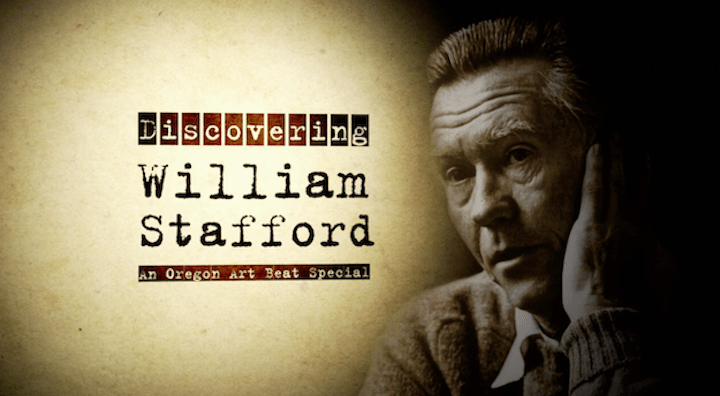
Towards the end of putting this post together, I came across a program celebrating the 100th anniversary of his birth. In this OPB Oregon Art Beat Special, Discovering William Stafford, (Season 15, Episode 8), Oregon’s beloved poet laureate describes how he captures and expresses life in words. “I have an appetite for finding that perfect fit of language with the experience of life as you’re having it right now. Every now and then you can break off a piece of that and call it a poem.” How did he do this? He lowered his standards and kept going—what he told his students to do when they said they couldn’t write a poem a day. 

Also available on Iowa PBS, Discovering William Stafford is a wonderful short biography featuring many voices, some well-known, like Garrison Keillor, who, in the promo, says something surprising, yet so true: “The basis, I think, for loving Stafford, is that you read him and you feel that you and he are friends.” He opens the program reading Once in the 40’s. Throughout the show, writers and artists take turns reading Stafford poems. One that introduced me to him and got me hooked, is When I Met My Muse. The show ends with Stafford’s son Kim and daughter Barbara, and the others, alternately reciting lines from The Way It Is—a most appropriate way to remember and honor this much-loved, unassuming, compassionate, creative soul. 

You can also watch it using the PBS viral player in full screen mode: https://player.pbs.org/viralplayer/3010539588/.

A final thought

If you made it this far, I’ll leave you with this final thought I had as I’ve been rereading, remembering, adding, and rewriting what I wrote. I am reminded of the difference a good teacher can make in a student’s life. My grade six teacher did for me. Maybe there was one who did for you. Teachers who enter the profession generally aspire to make a difference in their students’ lives. I remember reading a book about it that you may also enjoy: An Apple for My Teacher: Twelve Writers Tell about Teachers Who Made All the Difference. Bye for now. Keep writing and rewriting. 😉

— Written and compiled (citing sources) by Ken Chawkin for The Uncarved Blog.

Mary Oliver mended Everything That Was Broken with her loving poetry

February 11, 2025

This simple yet profound little poem seems to indicate that Mary Oliver was in a very good place when she wrote and published it later in life. 

Everything That Was Broken
by Mary Oliver 

Everything that was broken has
forgotten its brokenness. I live
now in a sky-house, through every
window the sun. Also your presence.
Our touching, our stories. Earthly
and holy both. How can this be, but
it is. Every day has something in
it whose name is forever.

Felicity: Poems (Penguin Books, 2015, 2017)

Mary Oliver eventually overcame her damaged psyche. She found love, creatively expressed her deep appreciation of nature, and manifested her destiny as a great, beloved poet. Her poetry inspired, instructed. Brokenness transformed into wholeness. She lived a fulfilled life. 

Devoted fans forget their brokenness when they read Mary Oliver’s transformational poetry. It heals. See a related love poem, Coming Home.

Discover more about America’s best-selling poet in this memorial post: RIP: Mary Oliver. Thank you for sharing your poetic gifts with us. They are a national treasure!

Another favorite poet wrote daily to repair his life: William Stafford’s poetry lightened his life having woven a parachute out of everything broken.

— Written and compiled (citing sources) by Ken Chawkin for The Uncarved Blog.

Vancouver, BC artist and author Olga Campbell publishes “DEAR ARLO – letters to my grandson”

June 27, 2024

Vancouver, BC visual artist and author Olga Campbell published DEAR ARLO – letters to my grandson, her third book. Like her previous one, A Whisper Across Time, it is filled with art, poetry, prose, and her family’s story of the Holocaust. This one includes old family recipes.

Olga sent me a pdf of the book for review purposes. I found it culturally rich and emotionally authentic and ordered a copy of the 218-page hardback book with colored images. She is offering a special introductory price until July 31st. You can purchase a copy on her website https://olgacampbell.com/dear-arlo.

From the Foreword: Olga Campbell is a second generation Holocaust survivor. Her mother’s entire family was killed during the war and although her mother survived, that trauma stayed with her and had a profound impact on Olga. The feelings generated by this as well as by the sudden and unexpected death of her husband, at the age of 49, shaped Campbell’s emotional life for years.

“DEAR ARLO – letters to my grandson” is her response to these circumstances through art, poetry, prose – even family recipes. This is an exploration into the legacy of trauma and how it shapes one’s identity.

Arlo in his car with Olga.

The book however does not only focus on trauma, it also celebrates the power of writing and art as a transformational and healing tool, and it looks at the wonder and magic of life. At the heart of the book are letters to Campbell’s grandson, Arlo. These letters serve to unify the book and transition from one section to the next. This book is a legacy, not only for the author’s grandson, but for all of us who are invited to share in this intimate journey.

One of the many poems in the book that made an impression on me is “Morning in Hyderabad” on pages 52-53. Olga wrote the poem during one of her three visits there from 2010 onwards. It is so vivid you can see and hear everything she describes as night slowly transitions to day.

MORNING IN HYDERABAD

the night is still
and then awakens
with a cocophany of muted sounds...
slowly at first,
then louder
as it explodes
into the light of day...
in the grey stillness
just before dawn
a dog barks in the distance...
far away a rooster crows
a new day
a fresh canvas to be painted on
all yesterdays forgotten
the wheels of a car rolling by
subdued motorcycle rumbles
soft sound of a horn
the quiet swishing of a sweeping broom
the dreamlike songbird...
gentle sounds
giving comfort to the fading night...
a clock is ticking
time moves
a door opens - where does it lead to?
a door closes - what is left behind?
invisible footsteps marching solemnly
birds join in
to create a harmonious tribute to the day
the songs grow in complexity
and volume
the symphony of sound gets louder
and more clear
anxious to cast off the shadow of darkness...
a voice calls out
no answer
more voices and
gentle interchange
from one heart to another
the ancient mystical call to prayers
pulls the string of hearts
the chanting of centuries
fills the dawn with inner joy
the clatter of pots and dishes
water dripping
people talking
children laughing
the smell and sizzle of breakfast
and burning wood fills the air
and so the day begins

— Olga Campbell, “DEAR ARLO – letters to my grandson”

It reminds me of Varanasi by Mary Oliver in A Thousand Mornings.

There is a wonderful section titled SPIRITUALITY on pages 162-165 where Olga describes how she learned TM and later went to Rishikesh, India in late December 1969 with her husband Chris to study with Maharishi to become TM teachers. I remember meeting them both in June 1968 on a course with Maharishi at Lake Louise. The next time I met Olga was in March 1994 after Chris had died unexpectedly. This was a few months after I had arrived in Vancouver towards the end of 1993.

One of the letters to Arlo (page 65) sets up the section about Chris’s death and Olga’s grief, explaining what she was dealing with back then. “When I wrote these poems they were an expression of my feelings around Chris’ death and some of them are sad and heavy.” She wonders if “they might be too heavy and personal for a teenager to read.” She reminds him that “these were my feelings at the time they were written, and they were written to relieve the pressure of the pain I was feeling at that time.” She reassures him saying, “I am no longer feeling that intense pain, but the words are now frozen in time and you are reading them in the present. So, what you are reading is a fixed moment in time, but is not the narrative of my life.”

She tells him that “the same thing applies to the poetry about Second Generation Holocaust Trauma.” (That section begins with a letter to Arlo on page 106. On pages 114-115 she explains, HOW A WHISPER ACROSS TIME CAME TO BE WRITTEN and what followed once it was in print.) She concludes that she has “spent years dealing with these feelings and coming to peace with them,” but assures him that “I am doing really well most of the time.”

Olga wrote about that unfortunate time in LIFE STOPS, pages 67-68, followed with poems about it, then DEATH AND DYING, pages 72-74, where she describes Chris’s full life and series of events leading up to his death. It’s followed by many pages of images of artworks and poems.

One powerful poem that stands out is I AM NOT THINKING on page 78, which painfully recalls memories of their good times together. The title was the reverse of “I’m thinking of,” one of several writing prompts I had learned from a Natalie Goldberg workshop that I shared with Olga and a few friends in a course I led at her home. Olga kept resisting saying that she wasn’t a writer; she was a visual artist. But once she started doing the exercises, something opened up in her. She couldn’t stop writing and began incorporating relevant samples into her paintings and collages. Olga had discovered her inner poet.

Meditating and creating are the two activities that fulfill Olga’s raison d’être. In the PS at the bottom of that letter to Arlo she explains: “I do art and write because it makes me feel alive and feel connected to something greater than myself.”

In LEGACY (page 125) Olga writes that both Transcendental Meditation and studying art “have been invaluable in my healing and have given me a sense of purpose, joy, and peace. Meditation has given me a solid foundation from which to feel and act, and art has allowed me to express myself fully and has led to numerous art exhibits and to the writing of three books.”

Read about the success of Olga’s previous book: A Whisper Across Time: My Family’s Story of the Holocaust Told Through Art and Poetry.

A wonderful book I had recommended to our writing group was A Walk Between Heaven and Earth: A Personal Journal on Writing and the Creative Process by Burghild Nina Holzer. I created two blog posts about it, which contain two inspiring journal entries about creative expression through writing: Burghild Nina Holzer inspires us to write and discover who we are and what we have to say and B. Nina Holzer’s final entry in her journal shows us how she is an innocent instrument for writing.

Since Olga is a visual artist and a writer, a little poem about expressing your creativity in Words and Pictures, a movie filmed in Vancouver, seems relevant. See A poem in a movie inviting you to be who you are.

NEW: Art Exhibition and Book Launch

Olga Campbell’s artwork is on display at the Zack Gallery Jan. 8-27, with an artist reception Jan. 9, 6-8 p.m. Campbell speaks as part of the JCC Jewish Book Festival on Jan. 23, 7 p.m., in the gallery.

Sidney and Gertrude Zack Gallery: EXHIBITIONS & EVENTS

Olga Campbell: “DEAR ARLO – Letters to My Grandson.” A Memoir
January 8 – 27
Through visual art, poetry, prose, family recipe, and letters to her grandson Campbell responds to second generation Holocaust trauma and to the grief resulting from the premature death of her husband. The book however is not only about the exploration of the legacy of trauma, it also celebrates the power of art as a healing and transformational tool and looks at the awe and wonder and ebb and flow of life.

Artist Reception Jan 9, 6:00pm – 8:00pm
Artist Talk In Conversation: January 23, 7:00pm – 8:30pm

Interviews and Reviews for DEAR ARLO – letters to my grandson

January 19, 2025: CBC Radio: North by Northwest with Margaret Gallagher interviewed Artist and author Olga Campbell on her memoir “Dear Arlo: Letters to My Grandson”, which combines art, poetry, prose, recipes and reflections on the impact of the Holocaust and intergenerational trauma. (13:06 mins)

January 17, 2025: The Jewish Independent: Campbell’s art at Zack by Olga Livshin.

December 29, 2024: The British Columbia Review (formerly Ormsby): A tragedy of generational trauma, review by Valerie Green.

December 13, 2024: Jewish Independent: A multidimensional memoir, review by Cynthia Ramsay.

Awards for the book in 2025

Olga’s book was one of three finalists for The Cindy Roadburg Memorial Prize for Memoir/Biography in the 2025 Western Canada Jewish Book Awards. The book also received recognition from the Eric Hoffer Book Awards: Grand Prize Short List; Montaigne Medal Finalist; and Memoir, Honorable Mention.

— Written and compiled (citing sources) by Ken Chawkin for The Uncarved Blog.

Attentive to and delighting in her surroundings, Mary Oliver lived a life writing astonishing poetry

January 15, 2024

In her poem, Sometimes (pt 4 of 7), Mary Oliver teaches us how to live a life — especially as a poet — in 3 short, powerful sentences.

4.
Instructions for living a life:
Pay attention.
Be astonished.
Tell about it.
Sometimes” by Mary Oliver from Red Bird. © Beacon Press, 2008.

Mary Oliver exemplified this essential message in her poem, Mindful.

Everyday
I see or hear
something
that more or less
kills me
with delight,
that leaves me
like a needle
in the haystack
of light.
It was what I was born for —
to look, to listen,
to lose myself
inside this soft world —
to instruct myself
over and over
in joy,
and acclamation.
Nor am I talking
about the exceptional,
the fearful, the dreadful,
the very extravagant —
but of the ordinary,
the common, the very drab,
the daily presentations.
Oh, good scholar,
I say to myself,
how can you help
but grow wise
with such teachings
as these —
the untrimmable light
of the world,
the ocean’s shine,
the prayers that are made
out of grass?
“Mindful” by Mary Oliver from Why I Wake Early. © Beacon Press, 2005.

Another example of this theme is in this earlier post: Mary Oliver’s poem, Praying, is a lesson on attention, receptivity, listening and writing.

She did tell Krista Tippett in a long interview for The On Being Podcast that “I got saved by poetry, and I got saved by the beauty of the world.

See this remembrance of Mary Oliver (1935-2019) and her astonishing poetry, with links to articles, interviews, and readings, as well as more of her favorite poems I’ve loved and posted over the years.

— Written and compiled (citing sources) by Ken Chawkin for The Uncarved Blog.

Related: In Billy Collins, The Art of Poetry No. 83, The Paris Review Issue 159, Fall 2001, editor George Plimpton asked him what makes a poet. Collins summarized his four attributes of a poet: attentiveness, a love of language, a sense of gratitude for being alive, and laziness. For more on that interview, see the second part of this post where Plimpton asks Collins how he starts to write a poem: Billy Collins discusses the value of getting to the end of a poem and what can happen afterwards.

Charles Bukowski’s poem “The Laughing Heart” instructs us to find the light and improve our life

September 28, 2023

“The Laughing Heart” by Charles Bukowski (August 16, 1920 – March 9, 1994) seems to be another of his “death poems,” as his wife Linda referred to them in a January 21, 2011 interview. It was probably written toward the end of his life (73) when he was diagnosed with leukemia and had started Transcendental Meditation (TM).

Linda Bukowski described what TM had done for her husband. “It allowed him to open up a space within himself to say these words about himself dying. These later poems, death poems, are so acute and so awake and aware and I think that had a lot to do with how meditation allowed him to be creative in his later months and write these poems, that I still cannot read.”

The poem, cited on bukowski.net, was written and first published in Prairie Schooner circa 1993, the year before he died. He had learned Transcendental Meditation prior to that and was enjoying practicing it regularly.

Even filmmaker David Lynch, toward the end of a Dec 31, 2006 New York Times article, was quoted as saying that Bukowski liked meditating. “I heard Charles Bukowski started meditation late in his life,” Mr. Lynch said, referring to the poet laureate of Skid Row, who died in 1994. “He was an angry, angry guy, but he apparently loved meditation.”

I later added that information to an earlier post about another death poem, “a song with no end,” in Charles Bukowski sang the life victorious. He carried that same upbeat message in this poem.

The Laughing Heart
By Charles Bukowski

your life is your life
don't let it be clubbed into dank submission.
be on the watch.
there are ways out.
there is light somewhere.
it may not be much light but
it beats the darkness.
be on the watch.
the gods will offer you chances.
know them.
take them.
you can't beat death but
you can beat death in life, sometimes.
and the more often you learn to do it,
the more light there will be.
your life is your life.
know it while you have it.
you are marvelous
the gods wait to delight
in you. 

————————————

Poem written circa 1993, cited by bukowski.net in Magazines and periodicals: Prairie Schooner – 1993; and in Books: The Laughing Heart – 1996; Betting on the Muse – pg. 400 – 1996; Essential Bukowski: Poetry – pg. 209 – 2016.

I also found this video of Tom Waits reading The Laughing Heart.

Footnote: Thanks to Rhonda Thompson Gilpatrick‘s comment on September 19, 2009 pointing out an error in the fifth line of this Bukowski poem that Best American Poetry had posted. The correction was made and works better now.

Love this poem, but you’ve got one of the lines wrong (every site I look at does, though). I have the original printing of this. The line “there is a light somewhere,” should be “there is light somewhere.”

This is an important distinction between a specific light somewhere and light that is universally available somewhere—most likely within first, then without as well.

During Transcendental Meditation, breathing slows down, momentarily suspends; metabolic rate lowers twice as much as in deep sleep; deeply-rooted stresses and strains are released, dissolved, and repaired, respectively; bodily functions normalize; reaction time improves, a host of factors improve indicating a reversal of the aging process. Longtime TM meditators have a biological age of 12-15 years younger than their chronological age—one way “you can beat death in life, sometimes. and the more often you learn to do it, the more light there will be.”

For a more comprehensive picture, see this recently published article: Craig Pearson’s TM article is a cover story in India’s The Week: A Better Brain in 20 Minutes. Meditation research findings at a US university.

— Written and compiled (citing sources) by Ken Chawkin for The Uncarved Blog.
July 5, 2024: I came across a fascinating interview with Charles Bukowski’s wife posted by Read Me A Poem: Bukowski Born Into This INTERVIEWS LINDA LEE BUKOWSKI. Linda mentions when her husband Hank had learned Transcendental Meditation and had practiced it regularly twice a day during the last six months of his life. The whole interview is brilliant. The TM part starts at 6:54. I was happy to hear her speak about his appreciation for TM, but also surprised to hear her describe what she felt when she saw him meditating. It is quite profound and very moving. When he was diagnosed with leukemia, he had stopped writing. TM made a deep impact on his life. He was able to write again. And he wrote the most profound poetry of his life.

Christopher sings ‘A Beautiful Life’ for this Netflix film—a song about life, loss, becoming, and love.

June 8, 2023

On June 1st, Netflix launched an exciting new film — A Beautiful Life (2023). Danish pop star Christopher showcases his musical talent as he makes his leading role debut in this emotional romantic drama about music’s healing powers. He wrote and sang all the songs for A Beautiful Life, which was directed by Mehdi Avaz and written by Stefan Jaworski.

When Elliott (Christopher), a young fisherman with a hidden talent and an extraordinary voice gets discovered at a party by Suzanne, a high-profile music producer who is willing to give him the chance of a lifetime, he must decide if he is ready to open himself up to stardom — and love.

The film’s Official Teaser shows Christopher as Elliott singing his first song, Hope This Song Is For You, followed by the Official Trailer in Danish with English subtitles. That same trailer, and the film, are now available in English on Netflix.

It doesn’t matter who you are. What really does is who you become.

One of the main messages of the film comes out when Suzanne responds to her business partner’s doubts about Elliott. She sees his raw talent, his great potential, and assures Patrick: “It doesn’t matter who you are. The important thing is who you can become.”

“Who do you sing for when you sing?”

Suzanne asks her estranged daughter Lilly, who also heard Elliott sing, to collaborate with him, to produce his music. Their personalities clash and they get off to a rocky start. One of the first things Lilly asks him is, “Who do you sing for when you sing?” Puzzled, Elliott offers no answer.

She explains what makes a song significant, how to communicate it to an audience for it to resonate with them. This insider information is new to Elliott who listens without responding, taking it all in. This is the creative core that will powerfully manifest in the final scene and song of the film. Here is that explanation.

Imagine there’s someone you’re singing to. Someone you’re singing for.

“A song doesn’t just exist. It comes to life. Between two people. One who sings and one who listens. Whether you’re here in the studio or in a big, packed stadium with thousands of fans. You’re not performing for nothing. You have to choose a person, or you have to imagine there’s someone you’re singing to. Someone you’re singing for. If you’re not singing for anyone, then it’s all the same. Then, the song doesn’t exist. Then you don’t exist.”

The song is powerful because it personalizes the universal cycle of life, love, and loss into a story, expressing feelings an audience can relate to.

This is songwriting at its best. One of the most beautiful songs I have ever heard. It put a lump in my throat and moved me to tears. It is so good it deserves a Grammy award and at least an Oscar nod if not a win!

Listen to A Beautiful Life here along with the lyrics below.

A Beautiful Life

"Baby, I'm pregnant" she said
And I saw my whole life
Flash before my eyes
So much for planning ahead
We gon' be all right
There won't be a right time
Oh, I said, "I am way too young"
I'm just a kid, I can't raise one

It feels like my life is over
Feels like my future's crushed
And I'm gonna miss the times when
It was just the two of us
I don't ever want to let go
Of everything that I love
It sure feels like dying
Saying goodbye
To my beautiful life

"Daddy, I can't sleep," she said
Can you leave the light on?
And please sing me my song
And I can't help but think to myself
Those green eyes and brown curls
Turned into my whole world
She's growing up so fast
If only I could make it last

It feels like my life is over
Feels like my future's crushed
'Cause my baby's getting older
Tomorrow she'd be all grown up
I don't ever want to let go
Of everything that I love
I turn off the light
And say goodnight
To my beautiful life

Pack the bags and ready to go
We look at each other
She looks like her mother
Off to chase dreams of her own
She cries in the backseat
As we wave at the taxi
Oh, our baby's moving out
Leaving this home an empty house

Feels like my life is over
Feels like my future's crushed
And I'm gonna miss the times when
It was just the three of us
I don't ever want to let go
Of everything that I love
It sure feels like dying
Saying goodbye
To my beautiful life

"Baby, I'm pregnant" she said
And I saw my whole life
Flash before my eyes

You can listen to the other songs in the film's Soundtrack on Spotify. Or choose your own music service at https://christopher.lnk.to/ABeautifulLife. And visit Christopher's YouTube channel for excerpts of songs from the film. 

A Beautiful Life Official Music Video

Today, on June 8th, Christopher premiered a new Official Music Video for the film on his YouTube channel with A Beautiful Life. He also posted a short video of the making of the music video: Christopher - A Beautiful Life Music Video (Behind The Scenes). Warner Music Canada posted: Christopher - A Beautiful Life (Full Album From Netflix Film).

“The essence of the movie”

The next day I found this June 5th video on Netflix Nordic — A Beautiful Life: Get to Know Christopher & Inga Ibsdotter Lilleaas. This is one of the questions they were asked, “Which scene are you most proud of?

Christopher mentions his favorite scene with Inga to her. “It’s when you tell Elliott that a song doesn’t exist on its own. You don’t exist if you don’t have anybody to sing to. To me that’s the essence of the movie. The film is first and foremost a music movie. And you’re the one teaching Elliott to have someone to sing to. And that’s important, because if you don’t, no one can relate to it, and making music doesn’t matter. And he doesn’t have anyone. Not until the moment he looks at her and decides to write it for her. I think that’s very special. And I just sit quietly throughout the entire scene. It’s just you doing a monologue.”

Beautifully encapsulated! Christopher confirms what I mentioned under “Who do you sing for when you sing?” This is one of the most crucial and pivotal scenes in the film. It is, as he says, “the essence of the movie.”

The first time Christopher performed ‘A Beautiful Life’ at a concert

It turns out Christopher had performed ‘A Beautiful Life’ at the Seoul Jazz Festival 2023 in Korea. It was the first encore of the evening. He introduced the song, telling the audience it was the title track for an upcoming Netflix film. Seated at the piano, he confessed that he had never played it live before, then proceeded to sing it for them. Once the audience settled down, you could hear a pin drop. When the song was over they roared their approval, a welcome relief to a smiling Christopher. Everyone had a great time, especially Christopher and his band. He posted the whole May 27, 2023 concert on his channel.

Acoustic versions from ‘A Beautiful Life’ in Christopher’s tiny boat

Christopher posted three videos of him singing acoustic versions of the songs from the film with Gustav Wolter also on guitar: Led Me To You, Hope This Song Is For You, A Beautiful Life. He wrote: Busking around in the canals of beautiful Copenhagen ✨ Had to do the acoustic versions on the water in my tiny boat, as a tribute to Elliott 😉🙏🏼 Hope you enjoy ❤️‍🔥

Christopher later released a fourth acoustic version from his tiny boat: Honey I’m So High.

Dingo Music produce video of film’s 3 songs sung for Sound Lounge

Dingo Music produced a video of Christopher and his 2 bandmates performing the same 3 songs from the film for Sound Lounge. They played 2 songs together: ‘Hope This Song Is For You’ and ‘Led Me To You’. Then Christopher soloed on piano and sang ‘A Beautiful Life’.

Live – A Beautiful Life (AFTER PARTY)

That was followed on June 15 with Live – A Beautiful Life (AFTER PARTY) where Christopher talked about and played songs from the movie with Gustav (guitar) and Matias (keyboard) (31:10). I was lucky to see it on Replay, but it was later taken down since it was only for Premium members. YouTube had offered it as a free trial, so I guess you still have to sign up to see it. If they later release it, at 18:52 the guys leave Christopher who then shares a personal story of how he came to write ‘A Beautiful Life’ and the pivotal role it would play in the film when he sang it to Mehdi, the director. It was over 2 1/2 years ago when his wife told him she was pregnant, and his whole life flashed before him. He wrote the song that night. He performs it on the piano and then takes questions. At 27:42 he’s asked what was his favorite track from the movie and answers ‘A Beautiful Life’. But he then tells the story of how he wrote and recorded ‘Ready To Go‘ one night on the tour bus. It was too late to make it into the movie, but it’s on the soundtrack.

That same day, Netflix Nordic posted All the songs from A Beautiful Life.

A New Lyric Video for ‘A Beautiful Life’

On July 6, 2023, Christopher posted the Lyric Video for A Beautiful Life from the Netflix film, which contains clips from the film, the official music video, and a live concert singing this beautiful song.

September 27, 2023: Christopher – A Beautiful Life (From the Netflix Film ‘A Beautiful Life’) Radio Edit [Lyric Video].

Christopher: A Beautiful Real Life

Pop star Christopher nears his dream of global stardom just as his second child arrives. Torn between career and family, he questions sacrificing time with his kids and wife Cecilie for success, like his role in A Beautiful Life (IMDb). Following the international success of the movie, this Netflix documentary (2025, 1h 31m) also received a positive review.

More inspiring musicians and movies worth watching

To see other inspiring artists featured on The Uncarved Blog, scroll through the Archive of the ‘Music’ Category. Also see this growing list of some of my favorite romantic movies.

— Written and compiled by Ken Chawkin for The Uncarved Blog.
Tony Anthony’s amazing eight-year spiritual journey with TM founder Maharishi Mahesh Yogi

April 1, 2023

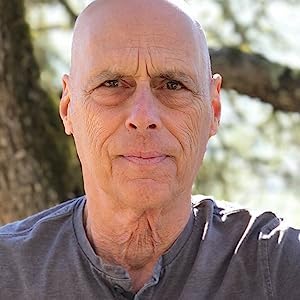
Some people I know highly recommended Tony Anthony‘s recent book, A Joy-Filled Amazement: My Eight-Year Spiritual Journey with Maharishi Mahesh Yogi. I read it and found theirs and other familiar names mentioned in the story. I checked the many positive Customer Reviews, recognized some of the reviewers, and decided to add my own.

This personal story is told with sincerity, vulnerability, and transparency. Some fascinating moments give us a glimpse into Tony’s relationship with TM founder Maharishi Mahesh Yogi, and his evolving experiences, in and out of meditation.

This personal story is told with sincerity, vulnerability, and transparency. Some fascinating moments give us a glimpse into Tony’s relationship with TM founder Maharishi Mahesh Yogi, and his evolving experiences, in and out of meditation.

Here is a look into the author’s background, what he’s accomplished during his lifetime, and a description of the book.

About Tony Anthony

Tony Anthony was born in New York and educated at Syracuse University. He served as a combat correspondent for the 198th Infantry Brigade in Vietnam in 1968 and 1969. His stories and photographs appeared in Stars & Stripes and in newspapers around the world.

He has had a career in the creative arts: as an author, a painter, a photojournalist, and a creative director. As a photojournalist, Anthony photographed the attack on the World Trade Center from a Blackhawk helicopter on September 11, 2001 for the NGO Americares. Days after the US bombed Baghdad in 2005, he photographed the first humanitarian relief mission to Iraq. He has photographed on all eight continents, including the melting ice in Antarctica.

He has written three previous books: Life is War But You Can Win, an inspirational book for Veterans; Beneath Buddha’s Eyes, a novel; Before the Next War, a novel set in Vietnam based on actual events. He has directed a documentary film, Fearless Mountain, about a Buddhist forest monastery. The author is the recipient of an Atlantic Monthly writing award. He resides in Northern California and has two grown sons.

A Joy-Filled Amazement

A Joy-Filled Amazement is the wild and enthralling tale of a spiritual seeker that proves that anything is possible. The book begins at the lowest moments of the author’s life—penniless and mind-ravaged, just back from Vietnam, living in the hold of an anchovy boat. In an inexplicable encounter, he meets Maharishi Mahesh Yogi, the spiritual leader who brought Transcendental Meditation to the West made famous by the Beatles. The great Indian guru enthralls him with a vision of the life he longs for and the way to get there. The story is an eight-year odyssey, to Maharishi’s ashram in Switzerland, to India, and finally to enlightenment. The journey is complex, deeply spiritual, and genuinely captivating.

A generation of seekers

Ours was a generation of seekers. If you’re on the spiritual path or curious about it, this book will satisfy. You will spend time in the heart and mind of a seeker turned finder.

Ours was a generation of seekers. If you’re on the spiritual path or curious about it, this book will satisfy. You will spend time in the heart and mind of a seeker turned finder. Tony also describes some pretty cosmic experiences that will inspire. Glad I read it!

On page 258, Tony shares something that surprised and pleased me. A friend who cleaned Maharishi’s apartment had invited him along, which was unexpected. While his friend “went about about replacing flowers in vases and otherwise straightening up in the sitting room, I took a seat and thumbed through a book of photographs taken by Linda McCartney, Paul McCartney’s wife. On the front piece was a hand-written note to Maharishi saying how much she and Paul loved and appreciated him.”

Book Cover

Tony chose Spanish graphic designer Jonas Perez to design the book cover. He selected the typeface and gold color and left the rest to him. Jonas surprised Tony “with the sensitivity and subtlety of the design.”

You may recognize the famous photo of Maharishi on Sands of Parkville, the beach at the former Island Hall resort in Parksville, Vancouver Island, BC, Canada. It was taken by Victoria artist, photojournalist, and filmmaker Karl Spreitz. Eileen Learoyd, a columnist for The Daily Colonist at that time, asked Karl to take the photo for her article on Maharishi (September 20, 1963). An early meditator, Eileen later became a TM teacher. Maharishi appointed her National Leader of Canada. Her daughter, Grania Litwin, also a journalist, sent me the article and the photo, which was also used on a billboard with the words, learn to meditate, and a mailing address.

Book Title

In case you’re wondering, as I was, about the book title, Tony explains that in the 3rd paragraph on page 309 under Acknowledgements.

The title of the book is taken from The Shiva Sutras, revealed by Swami Laksmanjoo, a close friend of Maharishi’s. In Verse 12, he explains the signs by which we can determine that a yogi is established in that supreme state of Lord Siva: “The predominant sign of such a yogi is joy-filled amazement.”

Related reading

Here are two novels I’ve read and reviewed about meditating philosophy professors that you might enjoy: “To Be Enlightened” by Alan J. Steinberg and “The Best Of All Possible Worlds” by B. Steven Verney.

Many articles have been written about Maharishi. Here is a blogpost on the centennial of his birth with links to other articles and interviews.

— Written and compiled (citing sources) by Ken Chawkin for The Uncarved Blog.
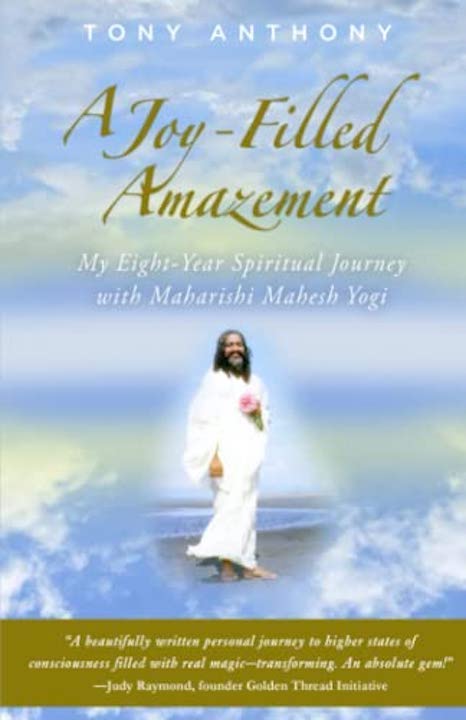
June 16, 2024: I wrote Tony to tell him about Billy Schulz’s book, The Field of Glow: My Life with Angels and Celestial Beings. He said he had read it and mentioned his new book, A Joy-Filled Awareness, the follow-up to the book about his time with Maharishi, A Joy-Filled Amazement, which now fleshes out the “time before and after” as described by a mutual friend from the United Kingdom in his 5-star Amazon review.

Manual Cinema and Crescendo Literary produced this video of Gwendolyn Brooks’ “We Real Cool” as part of the centennial celebration of her birth

February 26, 2023

This is real cool! Using simple, illuminative paper-cut puppetry, this enchanting video imagines the moment of witness that inspired Gwendolyn Brooks to write her landmark poem, “We Real Cool.” It was created by Manual Cinema in association with Crescendo Literary, with story by Eve L. Ewing and Nate Marshall, and music by Jamila Woods and Ayanna Woods. Poetry Foundation posted We Real Cool on June 6, 2017 as part of the upcoming centennial celebration of her birth that year.

Everything about this video is excellent—the background story, Brooks’ dialogue, the poem read by her and sung by the chorus, the lifelike facial expressions, outlines and movements of the paper-cut puppetry, the jazzy driving music—all make for a lively and enjoyable realization.

The 6-minute video is a companion to a live staged production of No Blue Memories: The Life of Gwendolyn Brooks. It premiered November 2017 to commemorate the 100th anniversary of Brooks’s birth. See the trailer for that show when it played in Vancouver at the Chan Centre. “We Real Cool” starts at 26 minutes into the 68-minute performance.

Gwendolyn Brooks (June 7, 1917-December 3, 2000) won the Pulitzer Prize at 32, and at 68, was the first black woman to become a consultant in poetry for the Library of Congress, aka the 29th Poet Laureate, 1985–86. A prolific poet, author, and teacher, she received a lifetime achievement award in 1989 from the National Endowment for the Arts.

It’s interesting how some poets are only remembered for one special poem. In this 1986 HoCoPoLitSo interview with Gwendolyn Brooks for The Writing Life series (remastered in 2005), she was asked how she felt about being remembered for only this one poem (18:38). She said that the poem was published in many anthologies and that children always ask her to read “We Real Cool” and respond enthusiastically.

But in the short video she says she “would prefer it if the textbook compilers and the anthologists would assume that I’ve written a few other poems,” and then the camera pans over many of her books.

At 19:45 she tells the story behind how she came to write “We Real Cool,” which forms the basis for the storyline of the short video. In the lead up to the poem, she happens to see seven students shooting pool at the Golden Shovel. But instead of asking myself, “Why aren’t they in school?” I asked myself, “I wonder how they feel about themselves?”

But instead of asking myself, “Why aren’t they in school?” I asked myself, “I wonder how they feel about themselves?”

Gwendolyn Brooks’ thoughts on seeing The Pool Players, Seven at the Golden Shovel, which became her poem, “We Real Cool.”

Instead of judging the students, her curiosity and compassion cause her to look deeper. She shares her thoughts about the boys’ situation, and is then asked to recite the poem, which she does at 21:05.

Gwendolyn Brooks, “We Real Cool,” was recorded on May 3, 1983, as part of the Academy of American Poets reading series, held at the Guggenheim Museum in New York City. It first appeared in print in the September 1959 issue of Poetry magazine. You can see the poem and hear Gwendolyn Brooks read “We Real Cool” from Selected Poems on the Poetry Foundation website. Copyright © 1963 by Gwendolyn Brooks.

— Written and compiled (citing sources) by Ken Chawkin for The Uncarved Blog.
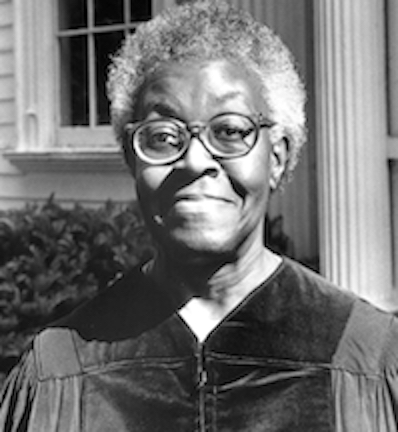
Rock’s Songbird—Christine McVie—has flown free

December 8, 2022

The Rock world has been reeling from the news of the unexpected death of Christine McVie, the longtime co-lead vocalist, keyboardist, and songwriter for Fleetwood Mac. She died Wednesday, November 30, 2022, after a short illness. She was 79. Christine was surrounded by family members at a London hospital when she passed.

Many condolences and remembrances have been pouring in this past week, especially from members of the band attesting to how much she was loved and appreciated as a person and, of course, as one of their foundational musicians. This E News! video contains several quotes from both band and family members alike. Good Morning America aired Celebrating the life and legacy of Fleetwood Mac’s Christine McVie

You can read more in some of the many articles published about her life. Here are a few: Rolling Stone: Christine McVie, Keyboardist and Singer for Fleetwood Mac, Dead at 79; The Guardian: Fleetwood Mac’s Christine McVie dies at age 79; and NME’s Mark Beaumont’s excellent piece: Christine McVie, 1943-2022: an eternal songbird.

The Guardian also posted photos and quotes: Fleetwood Mac’s Christine McVie – a life in pictures, and Christine McVie: a look back at the Fleetwood Mac star’s greatest hits – video obituary.

Christine McVie on writing ‘Songbird’

One of the things that came up in my Instagram feed was this post from Far Out Magazine: Christine McVie on Writing Songbird. They included the audio portion from a Dec 17, 2017 BBC Desert Island Discs interview with Christine McVie that dealt with how she came to write her famous song. They also transcribed that part of the conversation in the Instagram post. Raised on Radio also posted the interview on YouTube. The Songbird section starts at 3:18. You can click CC to see their words.

In a recent post, I quoted Brendan Graham, who said, “the truly special songs write us; we don’t write them. We don’t find them; they find us.” Christine McVie described exactly that kind of magical experience.

She couldn’t sleep, and an unknown song was in her head. “I had to play this song. It was as if I’d been channeled or something!” It came to her at 3 in the morning. “The whole song, complete, chords, words, everything within half an hour,” she explained. Fortunately, she had a piano in her room, but no tape recorder. So she kept playing it without sleeping for fear of forgetting it, until she went into the studio at 9 o’clock the next day to record it on a two-track tape. “I just felt as if it was a universal kind of prayer or something. I just don’t know where it came from. This never happened to me since or before.”

‘Songbird’ would arguably become McVie’s signature song. Originally released as the B-side to ‘Dreams’ in 1977, it ended up on Fleetwood Mac’s world-conquering Rumours album. It wasn’t her biggest hit for the group, but the ballad was a frequent closer at Fleetwood Mac concerts, especially after McVie rejoined in 2014.

McVie later recorded an orchestral version of the song, composed and arranged by multi-Grammy winner Vince Mendoza. It was part of her first-ever compilation highlighting songs from her solo career: ‘Songbird ~ A Solo Collection,’ which came out this year.

Enjoy this beautiful photo collage by CK WOOD Music Productions to Songbird (Fleetwood Mac and Christine McVie).

At 2:03 there’s a photo of Christine wearing a top with the words, Nobody’s Perfekt. This is doubly funny, not only because of the misspelling of the word, perfect, but also because it’s her family name! She was born Christine Anne Perfect. She told Peter Robinson of The Guardian: “I used to joke that I was perfect until I married John.”

Two decades after it first aired, the world discovered Eva Cassidy’s amazing voice singing ‘Songbird’. It was published 2 years after her untimely death at 33. Mick Fleetwood knew Eva and said this about her: “She was brilliant. She had the magic. And I call it, It. She had It!” To find out more about her, see The hauntingly beautiful voice of Eva Cassidy.

Christine’s Family, Early Background, and Later Recognition

Christine Anne Perfect was born on July 12, 1943 to Cyril Percy Absell Perfect and Beatrice Edith Maud Perfect. They also have a son named John. Christine’s family contributed considerably to her development. Her grandfather was the organist at Westminster Abbey. Her father was a concert violinist and music lecturer at St. Peters College of Education at Saltley in Birmingham. Her mother was a medium, psychic, and faith healer. After her brother brought home a Fats Domino songbook, she switched from playing classical piano to blues-based rock and roll.

She studied sculpture at school with the intention of becoming an art teacher and met blues musicians who invited her to join a band. She later left a window-dressing job in London to become a full-time musician. She would soon be invited to join an early version of Fleetwood Mac who would go on, through various iterations, to become one of the top-selling bands of all time.

An introvert by nature, McVie’s creative and spiritual influences informed her musical career and kind personality. She impacted her bandmates in positive ways, at times, the quieter center holding them together as they spun out of control due to the excessive drug-fueled lifestyles and rocky romantic relationships of that era. But they turned their melodramas into musical hits. McVie would be honored with many awards, and in 1998, was inducted with Fleetwood Mac into the Rock and Roll Hall of Fame.

MOJO’s Tribute to Fleetwood Mac singer-songwriter Christine McVie

Christine McVie: Her 20 Greatest Songs. In tribute to Fleetwood Mac singer-songwriter Christine McVie, who passed away this week, MOJO selects the best tracks from across her career. They also included Christine McVie Remembered. In memory of Christine McVie, who has sadly passed away aged 79, MOJO revisits our 2017 interview with Fleetwood Mac’s singer-songwriter.

Leland Roberts published in Medium: In Memoriam: Christine McVie is Britain’s Greatest Female Popular Music Artist.

LATER ADDED

Another Rock legend left us in early January 2023: The virtuosity and versatility of Jeff Beck was unique among rock guitarists. One of the best!

Other amazing artists I’ve been inspired by and written about are also available in the Archive of the ‘Music’ Category on The Uncarved Blog.

— Written and compiled (citing sources) by Ken Chawkin for The Uncarved Blog.
What the Living Do—Marie Howe’s ‘letter’ to her brother—an elegy to loss and how she lives with it

November 2, 2022

In previous posts we highlighted how certain poems (or a song) seem to come through poets as if they were a conduit. Another example is poet Marie Howe. During a poetry reading she gave at a Christian Scholars’ Conference in 2017 Plenary, she said this about her writing. (19:39)

“So much of writing for me is writing a lot and throwing it out, because as John would say, I knew that already. So, it’s writing and writing and writing until the poem actually begins to write me, which was a great great feeling. And this is a poem that ended up being a title of this book, because I was working on four or five different poems in a very long day and finally pushed them aside, because I had to give up writing a poem, and just write to my dead brother John. And it ended up being what wanted to be written. It’s called What the Living Do.” (20:18)

So, it’s writing and writing and writing until the poem actually begins to write me, which was a great great feeling. And it ended up being what wanted to be written.

Marie Howe on the poem to her brother, What the Living Do

Fresh Air: Poet Marie Howe On ‘What The Living Do’ After Loss

She read and discussed this poem, and others, with Terry Gross on NPR’s Fresh Air: Poet Marie Howe On ‘What The Living Do’ After Loss (Oct 19, 2011). Her younger brother John died from AIDS-related complications in 1989. A few years later she wrote him a poem in the form of a letter. They wrote, “the poem is an elegiac description of loss, and of living beyond loss.” The title poem of her collection was later selected for inclusion in The Penguin Anthology of 20th-Century American Poetry

These comments by Marie from their wonderful conversation stood out: “So many poems occur at the intersection of time and eternity and the fullness of time. … Poetry holds the knowledge that we are alive and that we know we’re going to die. The most mysterious aspect of being alive might be that—and poetry knows that.”

Poetry holds the knowledge that we are alive and that we know we’re going to die. The most mysterious aspect of being alive might be that—and poetry knows that.

Marie Howe on our mortality and poetry’s redeeming value

The Writing Life: The Poet Is In at Grand Central Terminal

During her two-year tenure as New York State Poet Laureate, Marie Howe collaborated with the MTA and NYU to create public poetry events. She told poet Sandra Beasley, host of The Writing Life, that the coolest thing they did, and expanded upon the next year, was The Poet Is In at Grand Central Terminal, where hundreds of people lined up for hours to have their own poem written for them by an award-winning poet. The program was so successful they had to build more sets and bring in more poets on a rotating schedule to handle the growing demand. That section of the interview, Marie Howe wants you to carry her poems away, is cued up at 20:38.

The Millions: Writing as a spiritual act

I featured another powerful poem of hers in this earlier post: New York poet laureate Marie Howe reads “Annunciation” to Krista Tippett On Being. She described how the poem came through her, “and it had nothing to do with me.” I highlight an interview with The Millions. When asked if she thinks of writing as a spiritual act at its core, Marie replies:

“I do, because it involves a wonderful contradiction, which is, in order for it to happen, you have to be there, and you have to disappear. Both. You know, nothing feels as good as that. Being there and disappearing—being possessed by something else. Something happening through you, but you’re attending it. There are few other things in the world like that, but writing is pretty much a relief from the self—and yet the self has to be utterly there.”

Nothing feels as good as that. Being there and disappearing—being possessed by something else. Something happening through you, but you’re attending it. Writing is pretty much a relief from the self—and yet the self has to be utterly there.

Marie Howe on the contradiction within writing as a spiritual act

Poets Ada Limón and Ranier Maria Rilke

This relates to the previous post about Ada Limón, the 24th U.S. Poet Laureate, where she describes her experiences of writing poetry—how deep attention can turn into a poem, that deep looking is a way of loving, and can transform the smallest thing into something of great importance. She said it is the thing that brings her the most joy.

Ranier Maria Rilke describes, in great detail, this process of deep seeing and ability to surrender completely to “Things whose essential life you want to express.” If you do, then it will reciprocate and “speak to you” with a most glorious outcome. His amazing description, translated by Stephen Mitchell, is included in that post.

Previous posts on being a conduit for poetry and song

I share a few of my own poems from a similar perspective in Being written—how some poems come through us.

In a previous post, Karen Matheson sings a beautiful sad Gaelic song. Written by Brendan Graham, he reveals how the song chose him as a conduit to tell its story of loss and grief during Ireland’s 1840s famine.

Poems about death by Stephen Levine and Mary Oliver

Here’s a look at death from a different, more enlightened perspective in Two profound poems by Stephen Levine: in the realm of the passing away & millennium blessing.

Mary Oliver reflected on death, especially towards the end of her life when she was ill. These two poems reveal her thoughts. White Owl Flies Into And Out Of The Field — maybe death / isn’t darkness, after all, / but so much light / wrapping itself around us–. When Death Comes — When it’s over, I want to say: all my life / I was a bride married to amazement. / I was the bridegroom, taking the world into my arms.

Reflections one year later

It’s been a little over a year since I posted this, and after rereading Marie Howe’s poem to her brother, the last two short declarative sentences in the last line still surprise and move me: I am living. I remember you.

Grief persists after the loss of a close friend, but so does love. In time, grief recedes and love predominates. Here is a poem I wrote for my sweetheart a little over a year after she had passed: Still Sali Haiku—the persistence of love over grief

— Written and compiled (citing sources) by Ken Chawkin for The Uncarved Blog.